Photo via Fast Company
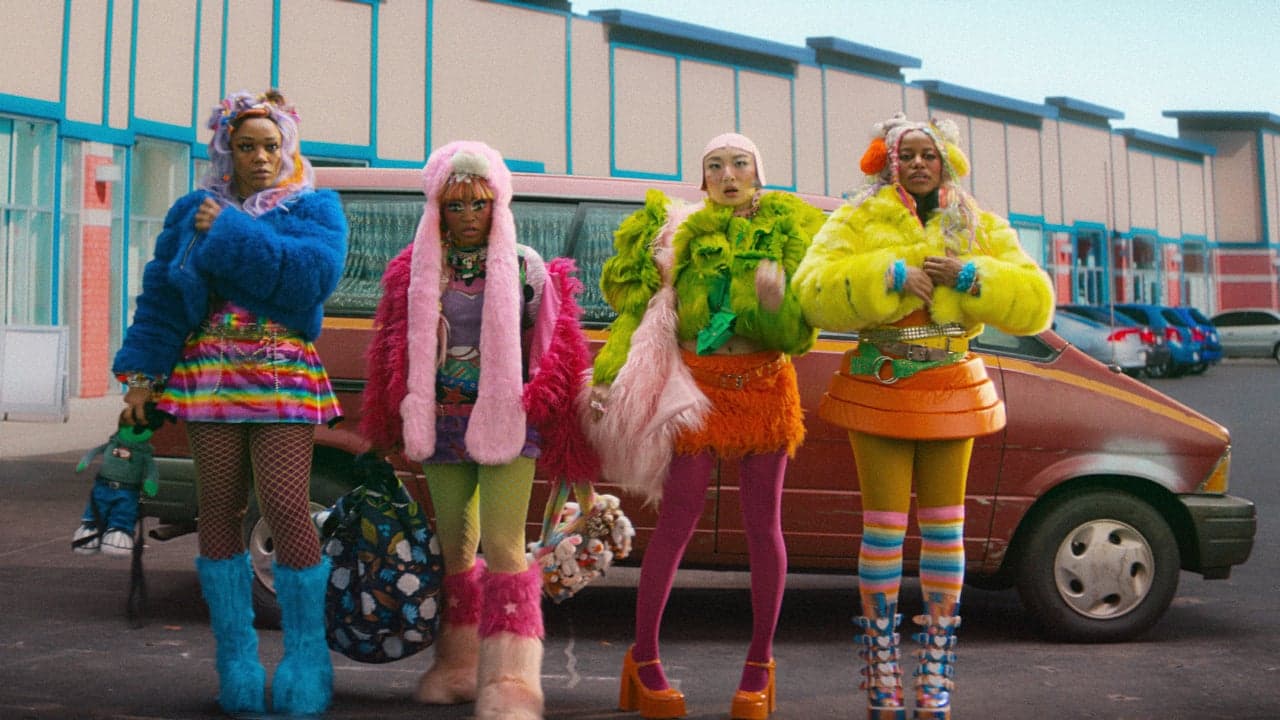
The film industry's growing reliance on desaturated color schemes has become a flashpoint for audiences demanding visual vibrancy. From Marvel's criticized flat palettes to Disney's live-action remakes that reportedly drain color from their sources, moviegoers are increasingly vocal about cinematic blandness. Oscar-nominated costume designer Shirley Kurata is pushing back against this trend with her work on the new film 'I Love Boosters,' which deploys bold, intentional color blocking throughout its narrative worlds.
Kurata's approach treats color as a storytelling tool, not mere decoration. For the film's surrealist San Francisco setting, she collaborated closely with production designer Christopher Glass to ensure each monochromatic department store location maintained perfect color consistency from set dressing to wardrobe. According to Kurata, this meticulous coordination—right down to matching paint chips with costume fabrics—creates distinct visual worlds that help audiences navigate the film's narrative layers.
Beyond the screen, Kurata ensured the production embodied its anti-capitalist messaging around fashion industry ethics. She partnered with the Savannah College of Art and Design to feature student designs in the film's climactic fashion show sequence, demonstrating how major productions can support emerging talent while addressing issues like fast fashion and worker exploitation.
For Atlanta-area fashion and retail businesses, Kurata's emphasis on ethical sourcing and designer support signals shifting consumer expectations around visual authenticity and corporate responsibility. As the entertainment industry recalibrates its aesthetic approach, the alignment between compelling storytelling and sustainable practices offers a model worth studying for retailers navigating changing customer preferences.