Crude oil markets are experiencing a significant downturn, with prices tracking toward a 30% quarterly drop—the largest since the pandemic-induced collapse of 2020. According to OilPrice, Brent crude has declined approximately 20% over the current month, putting it on track for its steepest quarterly performance in over three years. The decline reflects a reversal from earlier energy market volatility concerns.
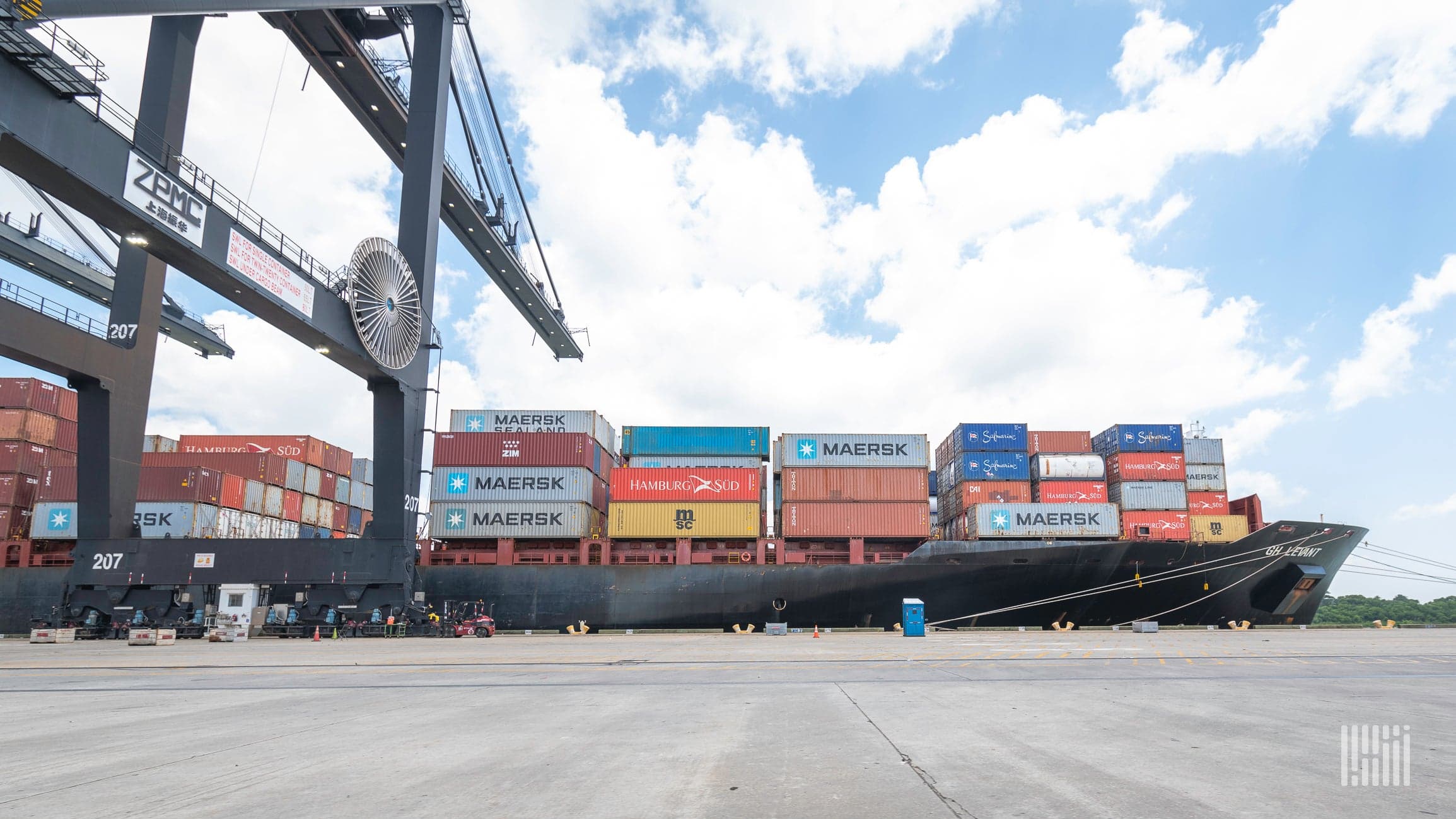
The reopening of shipping lanes through the Strait of Hormuz, following tentative negotiations between the U.S. and Iran, has eased supply-chain anxieties that had bolstered oil prices in recent periods. This development has allowed market sentiment to shift toward a more balanced view of global petroleum supply, contributing to the recent price weakness. While the current quarter's 30% decline is substantial, it remains notably milder than the historic 65.5% plunge in Brent crude during the first quarter of 2020, when pandemic lockdowns devastated global transportation and industrial fuel consumption.
The energy market's current trajectory underscores how geopolitical tensions and supply concerns can amplify price movements in the absence of fundamental demand destruction. As normalcy returns to key shipping routes, the oil market is adjusting to a supply outlook less constrained by geopolitical risk, a shift that may have broader implications for inflation expectations and energy-dependent sectors.