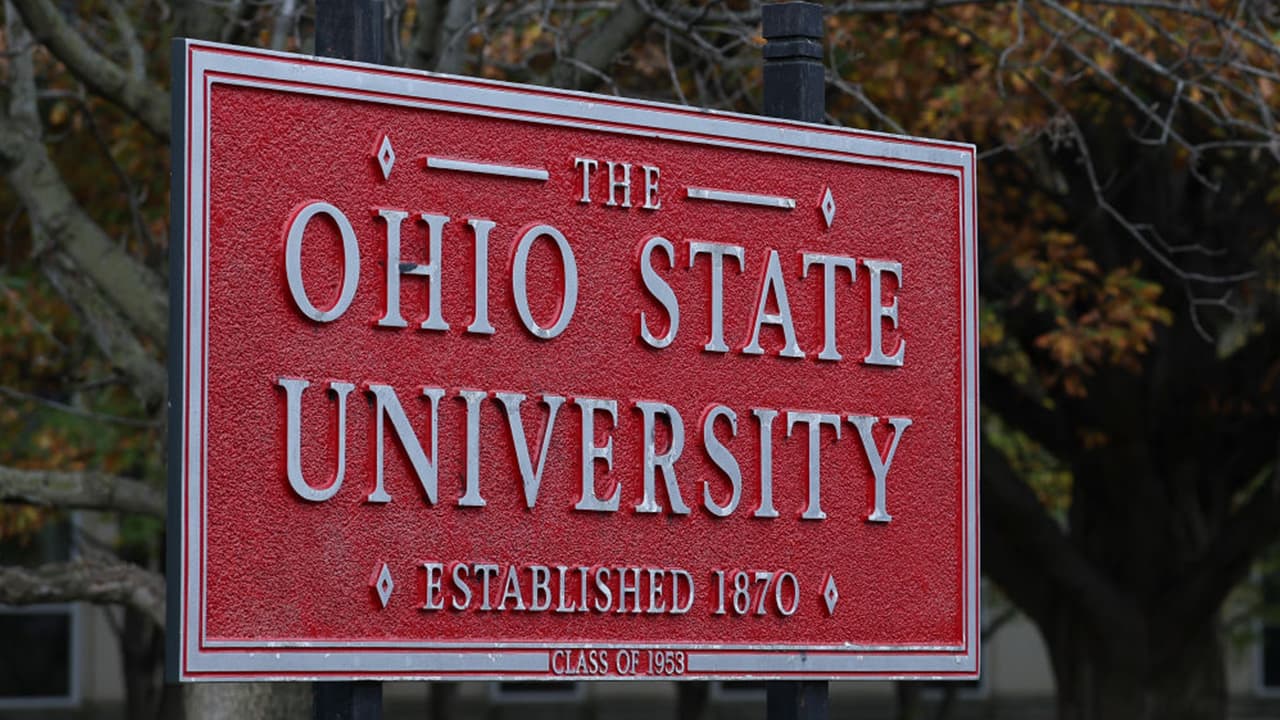
Photo via Fox5 Atlanta
Ohio State University has agreed to a substantial $100 million settlement to resolve sexual abuse claims brought by hundreds of former student athletes, according to Fox5 Atlanta. The agreement represents one of the largest institutional payouts related to such allegations and reflects the serious financial and reputational consequences organizations face when failing to protect vulnerable populations in their care.
The settlement carries broader implications for large employers and educational institutions across the country, including those in Georgia. Universities and major organizations are increasingly exposed to significant liability when internal misconduct goes unaddressed, prompting many to reassess their oversight protocols, reporting structures, and institutional safeguards. For Atlanta-area businesses and academic institutions, this case reinforces the importance of robust internal controls and transparent governance.
Beyond the immediate financial impact, Ohio State's settlement highlights the long-term damage institutional failures can inflict on organizational reputation and stakeholder trust. The resolution process itself—acknowledging wrongdoing and compensating victims—demonstrates how institutional accountability, while costly, may be preferable to prolonged litigation and reputational erosion. This dynamic is relevant to any large Atlanta-based organization managing complex employment relationships.
As universities and corporations nationwide grapple with compliance and safety standards, institutions in Georgia should take note of the operational and financial consequences outlined by this case. Investment in prevention, transparent reporting mechanisms, and swift investigation protocols are increasingly viewed as essential risk management rather than optional governance enhancements. Organizations that prioritize institutional accountability early may ultimately mitigate far greater costs down the line.