Photo via FreightWaves
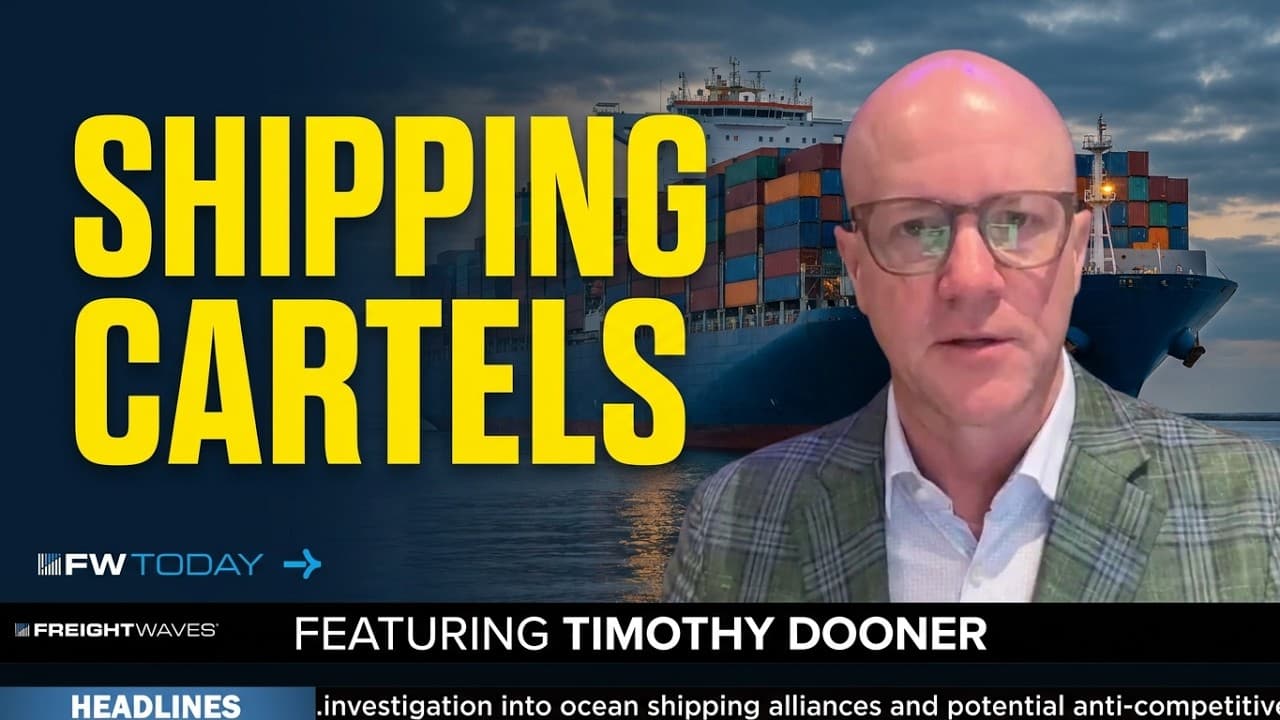
The global supply chain is experiencing severe cost pressures, with ocean freight rates reaching elevated levels as international commerce navigates persistent challenges. According to industry sources, the concentration of market power among a handful of major carriers has intensified pricing pressures, raising questions about the competitive dynamics shaping international shipping costs and their ripple effects across supply chains worldwide.
Trucking spot rates have also climbed to historic highs, compounding inflationary pressures on shippers and logistics operators. The convergence of elevated trucking and ocean freight rates is creating significant cost burdens for companies dependent on global trade, with many questioning whether the current market structure adequately protects competition and consumer interests in maritime transportation.
Regulators and industry observers are increasingly scrutinizing whether competitive behavior in ocean shipping aligns with antitrust standards, particularly as market consolidation has reduced the number of major carriers. These developments underscore the critical relationship between industry structure, carrier market power, and the costs borne by shippers in an increasingly interconnected global supply chain.