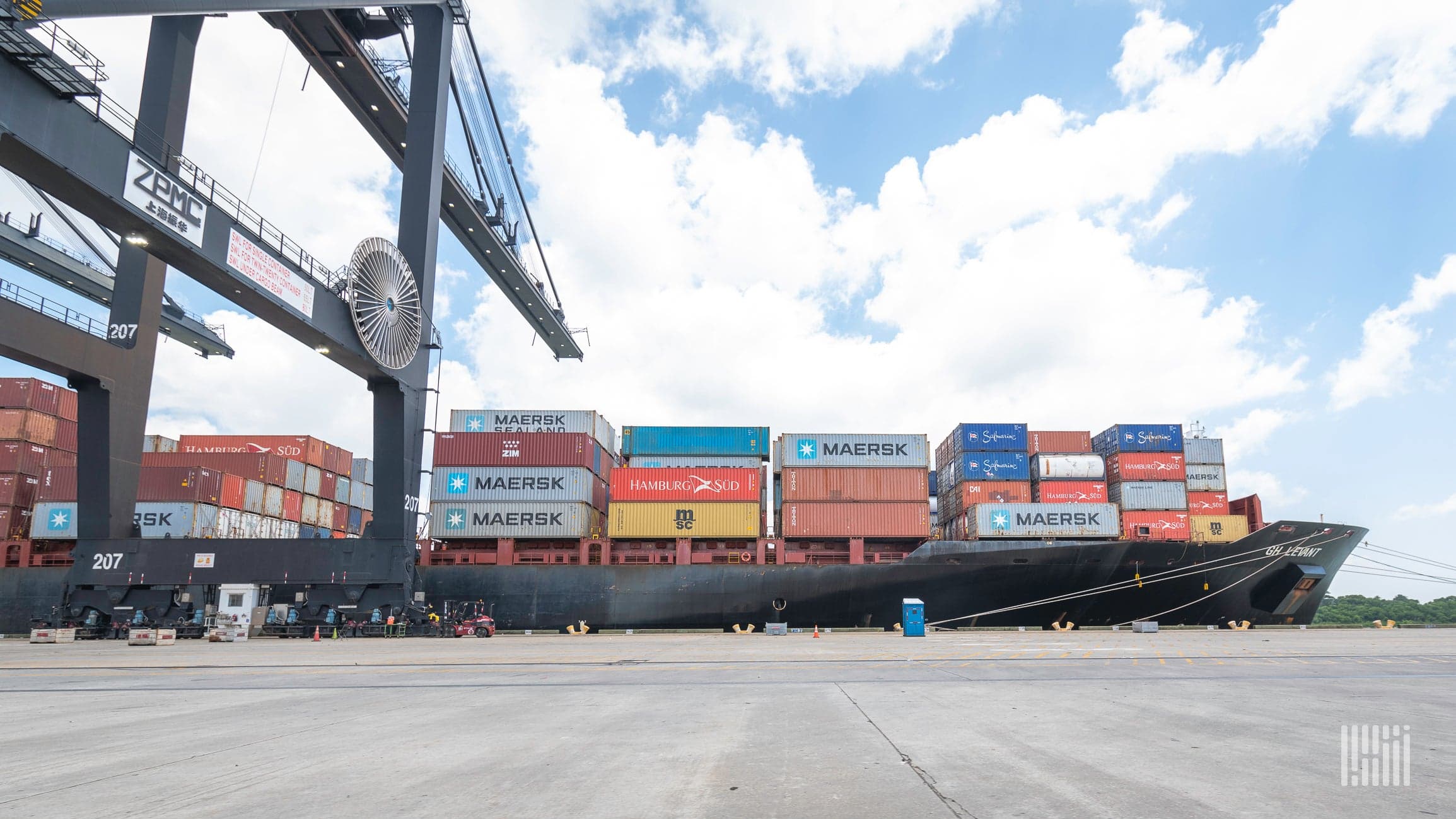
The Trump administration is preparing to expand its tariff strategy with levies targeting 59 countries and the European Union, according to recent reporting from the New York Times. The new duties, which could reach as high as 12.5 percent, would specifically penalize nations deemed insufficient in enforcing labor standards and preventing goods made with forced labor from entering U.S. markets. This represents a broader shift in trade policy focused on labor compliance rather than traditional protectionist measures.
For Atlanta's business community, these tariffs carry direct implications across multiple sectors. The city's thriving logistics and import-export industries, centered around Hartsfield-Jackson International Airport and the Port of Savannah, could face increased compliance costs and potential supply chain disruptions. Retailers and manufacturers operating in the region that depend on imports from affected countries may need to reassess sourcing strategies or absorb higher costs.
The forced labor angle distinguishes this tariff strategy from previous trade actions. Companies importing goods from nations with questionable labor practices will face pressure to conduct deeper supply chain audits and potentially shift sourcing to compliant markets. This shift could create opportunities for Atlanta-based companies positioned to help businesses navigate the new regulatory landscape and verify supply chain integrity.
Business leaders in Atlanta should monitor the administration's final tariff list closely, as implementation timelines and specific country determinations will affect different industries unevenly. Companies relying on imports should begin reviewing trade agreements and supply chain vulnerabilities now to prepare for potential tariff impacts on their bottom lines.