Photo via Entrepreneur
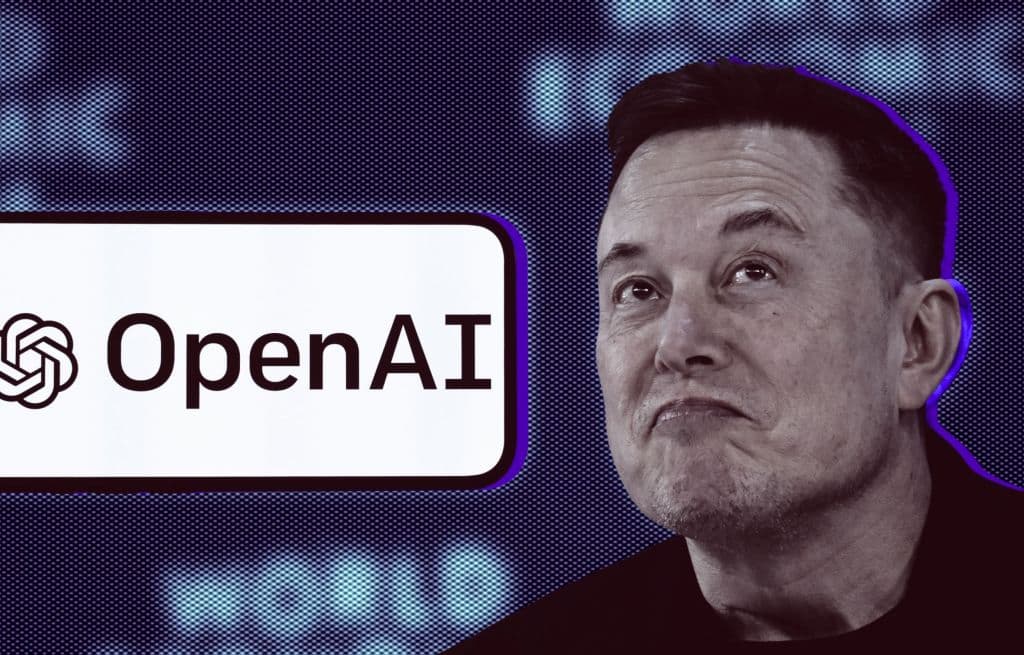
A high-stakes legal battle between Elon Musk and OpenAI co-founder Sam Altman is forcing the tech industry to confront uncomfortable questions about corporate governance and mission drift. According to reporting on the case, Musk alleges that Altman has abandoned OpenAI's original nonprofit mission in pursuit of for-profit ventures, undermining the charitable purpose that initially guided the organization. The $134 billion valuation at stake underscores how dramatically the artificial intelligence landscape has shifted since the company's founding.
For Atlanta's burgeoning AI and technology community, this dispute carries significant implications. As local startups and established firms increasingly develop AI applications—from logistics optimization to healthcare solutions—the Musk-Altman case illuminates potential governance pitfalls when founders pivot from mission-driven work to commercial gain. Atlanta-based technology leaders would be wise to examine their own organizational structures and stakeholder agreements, particularly as venture funding pressures mount.
The lawsuit centers on whether Altman and OpenAI's leadership violated fiduciary duties and the organization's stated commitment to developing AI for the benefit of humanity. The outcome could establish precedent for how nonprofit tech organizations are held accountable when they transition toward for-profit models or prioritize investor returns. This legal framework may influence how Atlanta investors evaluate AI startups and their governance maturity.
Beyond the courtroom drama, this conflict serves as a cautionary tale for the broader tech ecosystem. As artificial intelligence becomes increasingly central to business operations across industries—including Atlanta's major sectors in logistics, healthcare, and finance—companies must balance innovation with ethical accountability. Board members, investors, and founders in Atlanta's tech scene should monitor this case closely as a potential roadmap for governance best practices and potential pitfalls.