Photo via Inc.
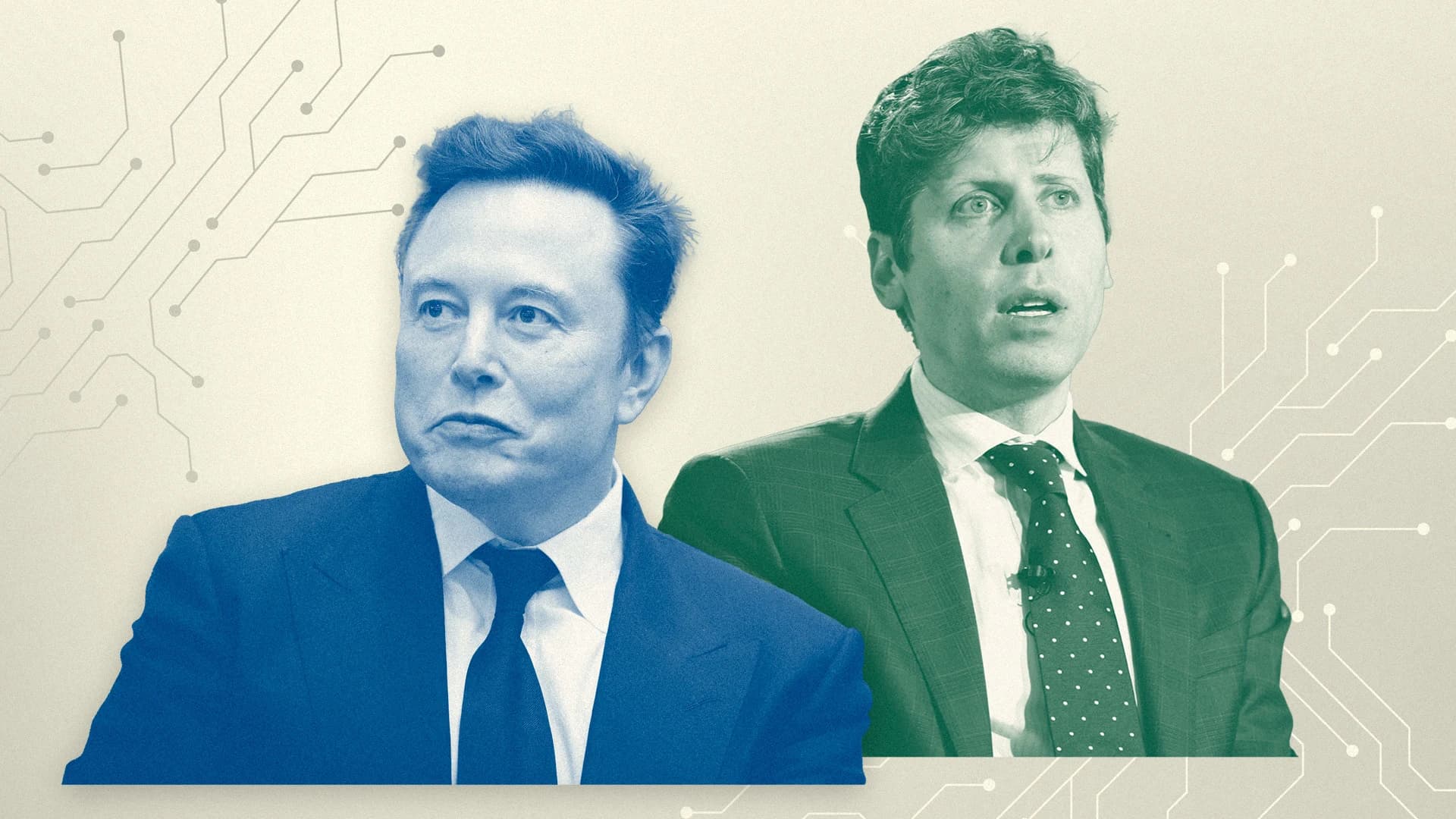
A major legal showdown between tech entrepreneur Elon Musk and OpenAI CEO Sam Altman commenced this week, marking one of the most closely watched disputes in artificial intelligence development. According to Inc., the trial addresses fundamental questions about the direction and control of AI technology at a pivotal moment when the sector is experiencing explosive growth and regulatory scrutiny.
The case carries significant weight for the technology industry as a whole, as it will likely influence how AI companies structure their operations, manage intellectual property, and balance commercial interests with their stated missions. For Atlanta's growing tech ecosystem, which includes numerous AI-focused startups and established technology firms, the outcome could set important precedents for how local companies approach AI development and partnerships.
At stake in the trial are questions about corporate governance, contractual obligations, and the broader debate over whether AI development should prioritize profit or public benefit. The decision could impact how venture-backed AI companies operate in the future and what obligations founders have to their organizations and stakeholders.
As Atlanta continues to position itself as a hub for technology innovation and entrepreneurship, business leaders in the region are watching this case closely. The trial's resolution may influence investment decisions, hiring practices, and strategic partnerships within Atlanta's tech community as companies navigate the evolving landscape of AI governance and corporate responsibility.