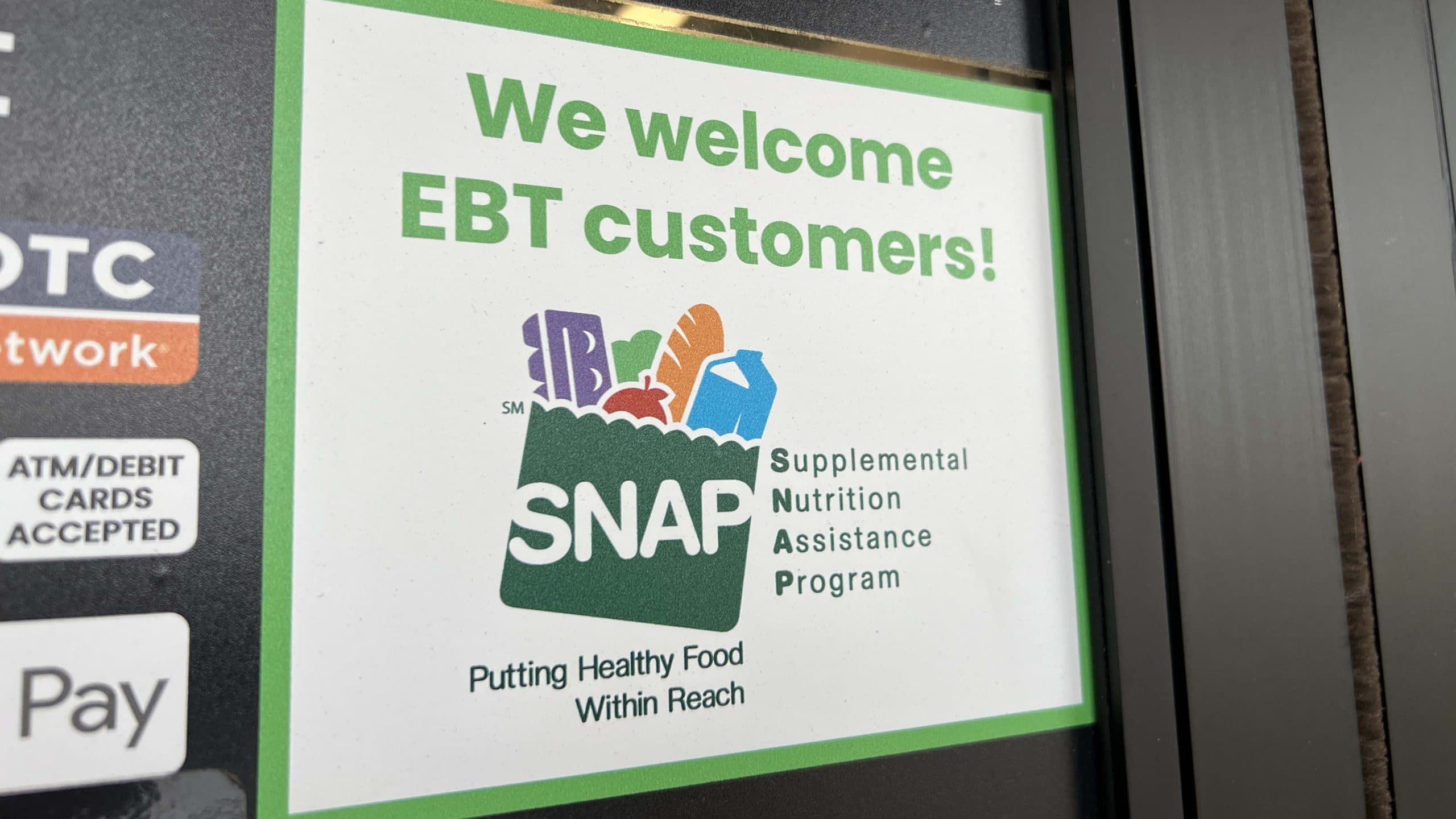
Photo via Fox5 Atlanta
Montana has become the latest state to implement restrictions on what food items SNAP recipients can purchase with their federal benefits, according to Fox5 Atlanta. The move reflects a growing trend among state legislatures nationwide to exercise greater control over how taxpayer-funded food assistance dollars are spent, with 22 other states now operating similar restrictions or pursuing comparable policies.
The policy targets what regulators classify as junk food or products deemed to have minimal nutritional value. Proponents argue the restrictions encourage healthier purchasing habits and reduce diet-related health costs, while critics contend the measures add administrative burden and may limit consumer choice for low-income households already facing food insecurity.
For Atlanta-area retailers and food suppliers, expanded SNAP restrictions in neighboring and competing states could signal a broader market shift. Grocery chains and food manufacturers serving the Southeast may need to evaluate how state-level policies could eventually influence product offerings and pricing strategies across the region if similar measures gain momentum in Georgia or other surrounding states.
As more states implement or consider SNAP purchase restrictions, retailers and food industry stakeholders should monitor legislative developments. The cumulative effect of 23+ states operating different restrictions could create complexity in supply chain management and product positioning for companies operating across multiple jurisdictions in the Southeast.