Photo via Fox5 Atlanta
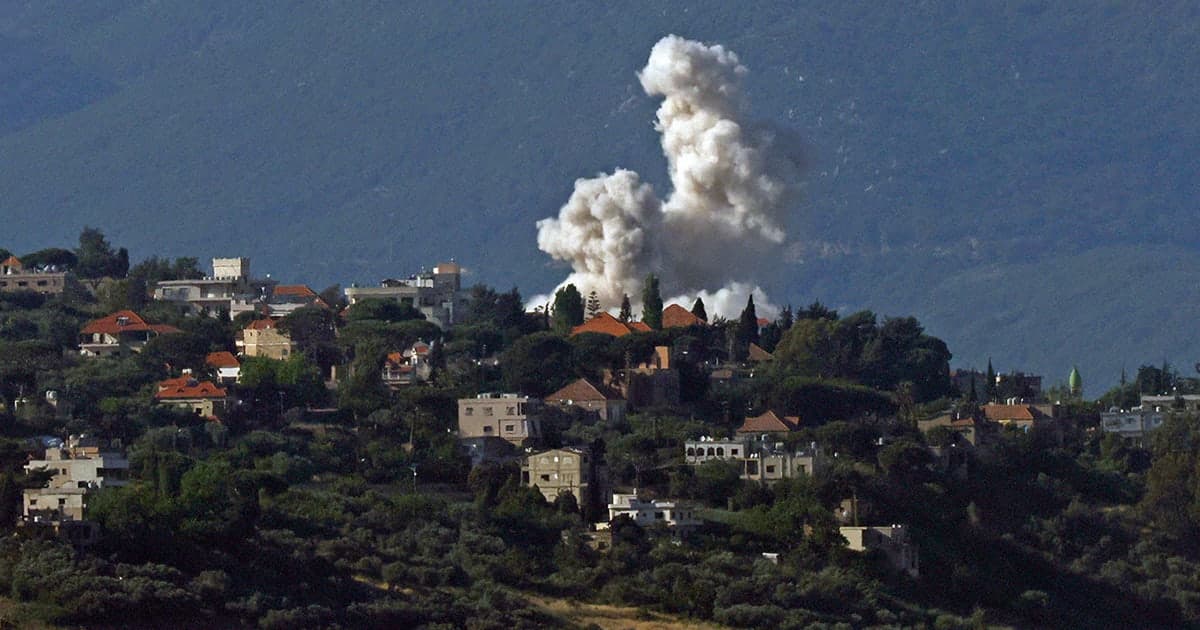
Geopolitical instability in the Middle East continues to create headwinds for Atlanta's business community as negotiations between the U.S., Israel, and regional actors remain fluid. According to Fox5 Atlanta, President Trump has indicated that Israel and Hezbollah have agreed to scale back military operations, though a formal agreement has yet to be finalized. The ongoing uncertainty reflects broader tensions between the U.S. and Iran that could have ripple effects across supply chains and energy markets affecting Georgia-based companies.
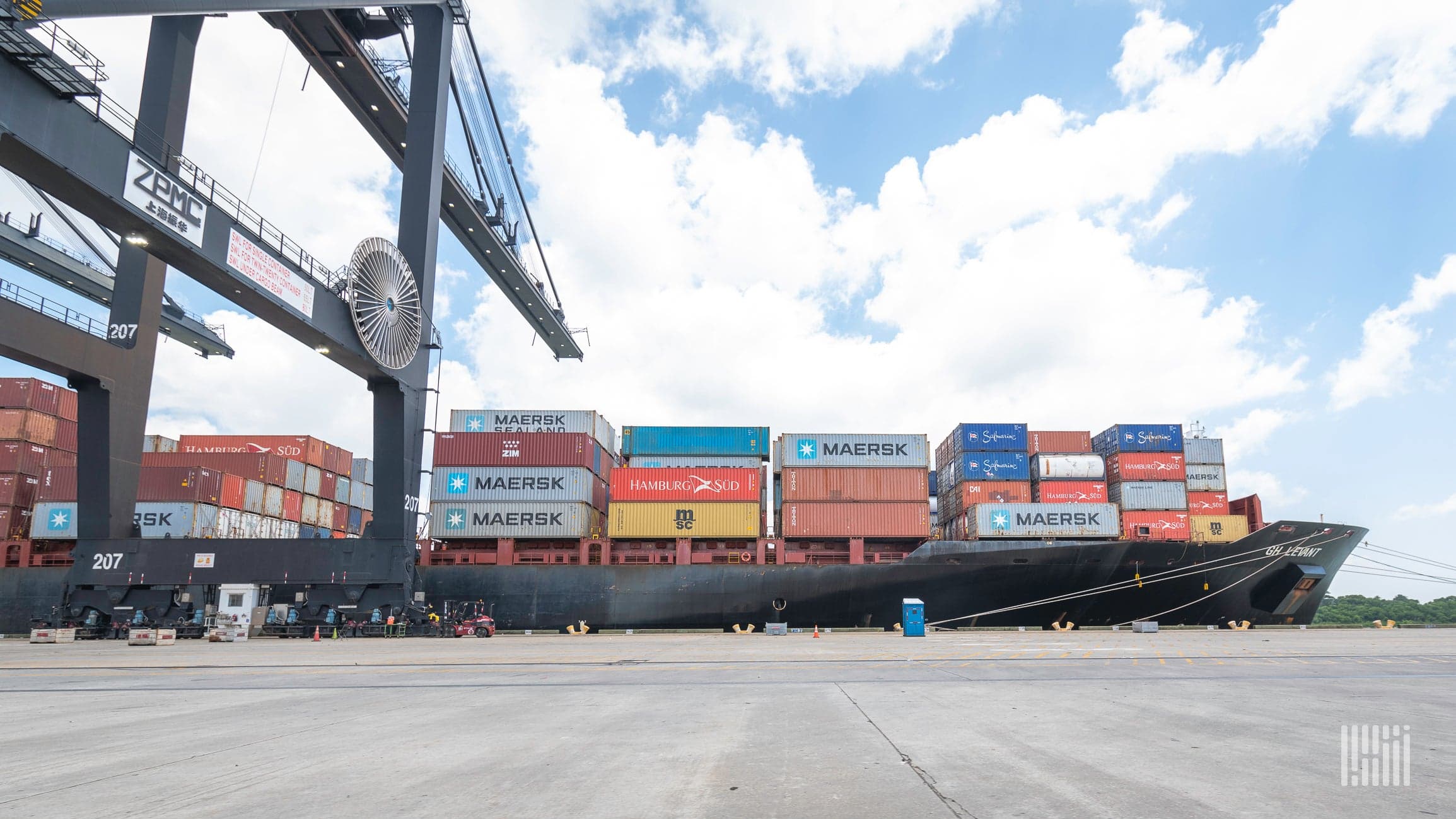
For Atlanta's logistics and transportation sectors, Middle East tensions directly impact shipping routes, port operations, and freight costs. The region's volatility can disrupt global trade flows that many Southeast distribution hubs depend on. Companies with operations or sourcing tied to the Middle East or Asia-Pacific routes may face increased insurance premiums, longer transit times, and supply chain delays—dynamics that could elevate operational costs across the metro area's thriving logistics industry.
Energy markets remain particularly sensitive to Middle East developments. Atlanta-based energy companies and those with Gulf Coast refineries and operations face price volatility tied to regional stability. Any escalation in conflict could drive oil prices higher, affecting everything from transportation costs to heating expenses for local businesses and consumers throughout Georgia.
Business leaders in Atlanta should monitor ongoing diplomatic developments closely, as the trajectory of these negotiations could determine whether regional stability supports normal trade flows or whether companies need to activate contingency supply chain strategies. Staying informed on U.S. policy decisions will be critical for firms managing international exposure.