Photo via Fox5 Atlanta
Geopolitical tensions in the Middle East have intensified following Hezbollah's rejection of a ceasefire extension between Israel and Lebanon, according to Fox5 Atlanta. The agreement, initially reached Wednesday, included provisions establishing security zones where Hezbollah would be prohibited from operating. The militant group's refusal to accept these terms threatens to destabilize the fragile peace arrangement and could have ripple effects across global markets.
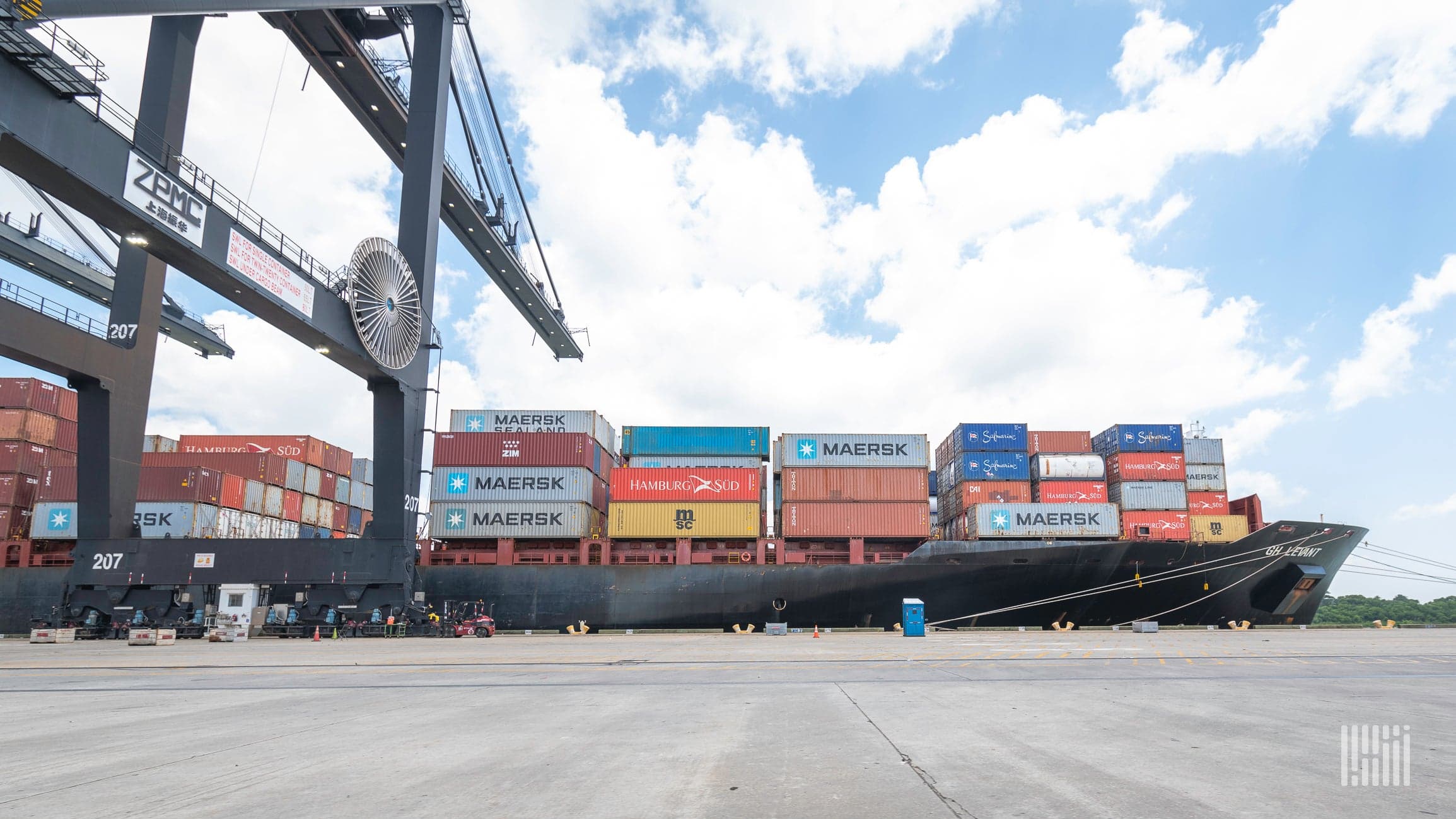
For Atlanta-area businesses with international operations or supply chain dependencies, Middle East instability presents a significant risk factor. Companies in logistics, energy, and technology sectors that rely on global trade routes or international partnerships should monitor the situation closely, as geopolitical conflict can disrupt commerce, increase insurance costs, and create uncertainty for investors and stakeholders.
The rejection underscores the complexity of brokering lasting peace agreements in the region and suggests that diplomatic efforts may require additional rounds of negotiation. The ongoing volatility highlights broader concerns about regional security that have concerned international business leaders and investors for months.
Atlanta business leaders should stay informed about developments in this situation, particularly those with direct or indirect exposure to Middle Eastern markets or supply chains. Companies may want to consult with risk management advisors about potential impacts on their operations and to review their international business continuity plans in light of continued regional uncertainty.