Photo via Fortune
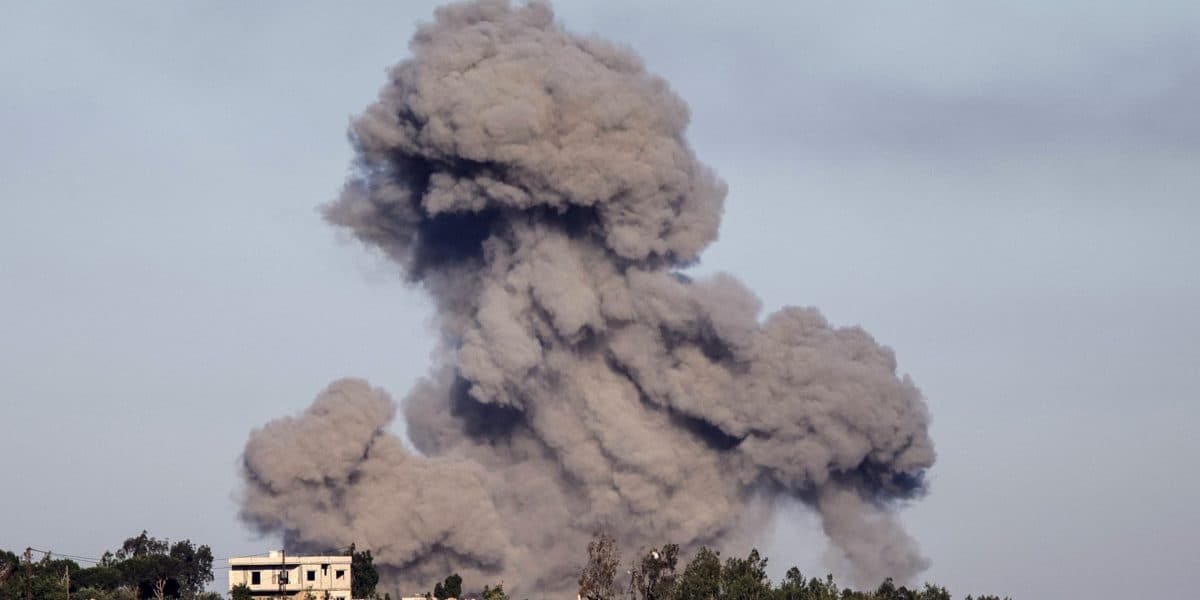
Escalating military operations in the Middle East are drawing renewed attention from investors and business leaders tracking geopolitical risks. According to Fortune, Israeli military operations have expanded into Lebanon, with officials marking territorial gains at strategic locations. For Atlanta's business community, such developments warrant close attention given the region's critical role in global energy production and shipping routes that affect freight costs and supply chain reliability.
The conflict unfolds as diplomatic channels between Iran and the United States remain uncertain, adding another layer of unpredictability to an already volatile situation. Energy markets, in particular, are sensitive to Middle East tensions, as disruptions to oil production or exports can quickly ripple through transportation and logistics sectors. Companies across Georgia involved in freight, manufacturing, and distribution should monitor how any sustained escalation might affect fuel surcharges and inventory management.
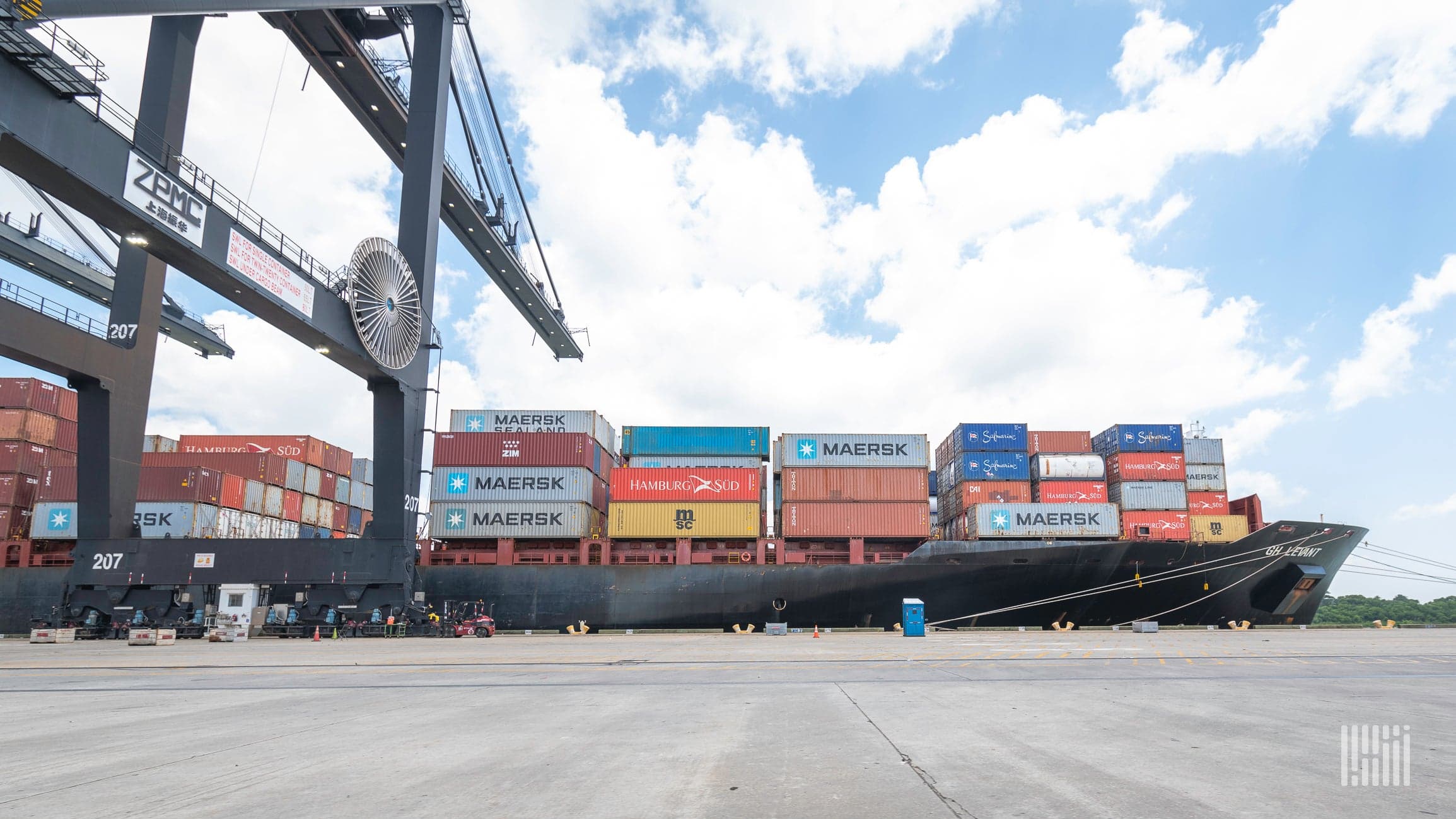
Atlanta's port operations and logistics hub status make the region especially connected to international geopolitical events. When tensions rise in the Middle East, insurance premiums for shipping increase, port activity patterns shift, and businesses face higher operational costs. The uncertainty surrounding potential Iran-U.S. negotiations means Atlanta companies in healthcare, retail, and technology dependent on global supply chains face ongoing planning challenges.
Business leaders should consider how prolonged regional instability could influence their operational strategies, particularly regarding fuel hedging, insurance costs, and supplier diversification. While the immediate impact may be modest, sustained conflict could reshape cost structures across multiple Atlanta-based industries. Staying informed about diplomatic developments and military escalation remains essential for executives managing exposure to international markets.