Photo via Inc.
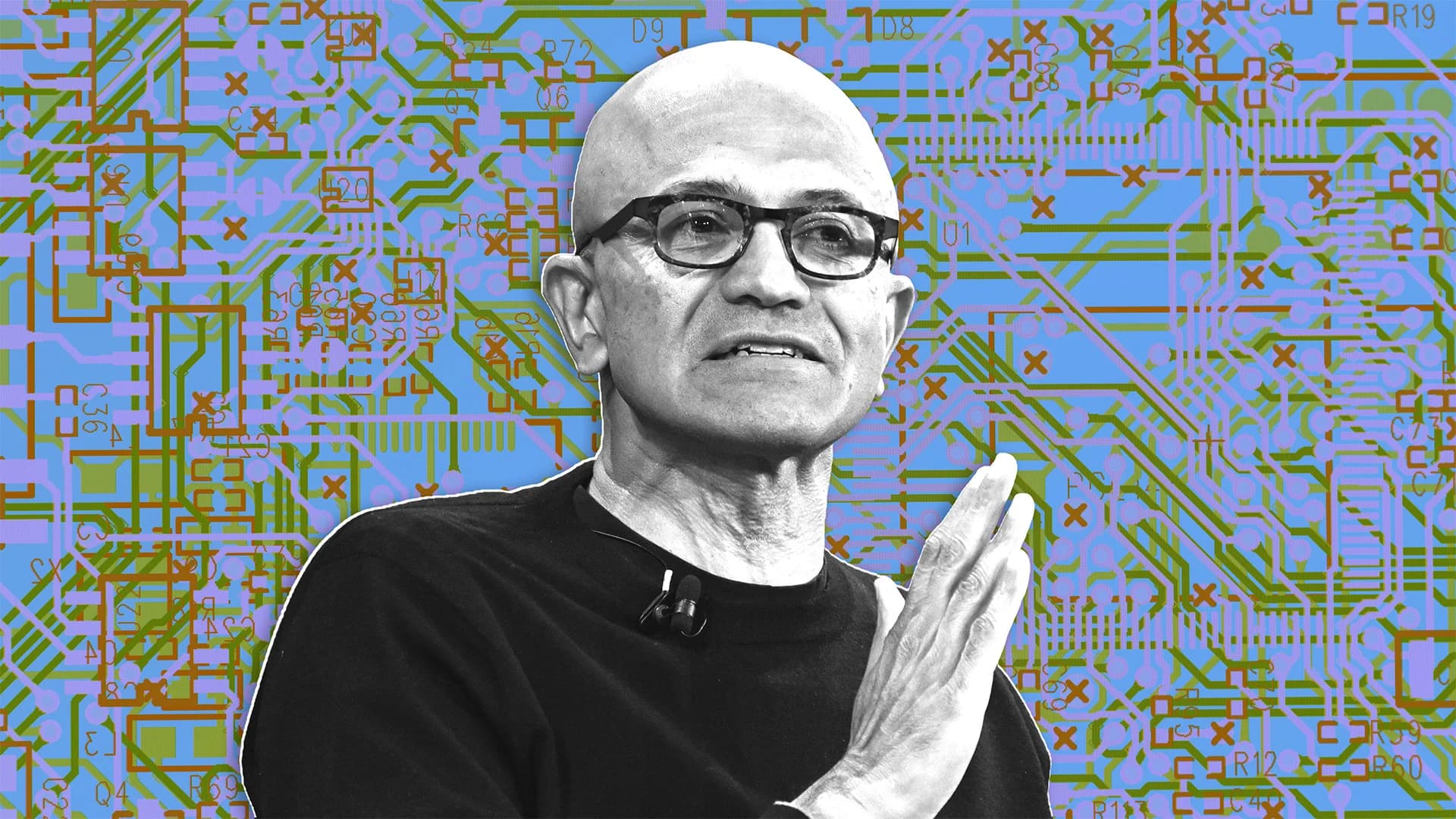
Microsoft's decision to offer voluntary buyouts to employees reflects a broader strategic pivot that extends far beyond the tech giant's Seattle headquarters. According to Inc., the program reveals how major corporations are actively repositioning their workforces in response to artificial intelligence adoption. For Atlanta-area CEOs managing their own digital transformation, Microsoft's approach offers a critical case study in how established companies are managing the intersection of technological change and employee relations.
The voluntary buyout model allows Microsoft to right-size its workforce while minimizing involuntary layoffs and preserving institutional knowledge among remaining staff. Rather than sudden, wholesale cuts, this approach gives employees a choice—those who feel displaced by AI-driven change can accept packages, while those committed to evolving roles stay put. Atlanta's growing tech sector, home to companies across fintech, logistics, and digital services, is watching how major players handle this transition as a potential blueprint for their own talent strategies.
For Atlanta business leaders, the Microsoft precedent raises important questions about workforce planning in an AI era. Companies must decide whether to retrain existing employees, recruit new AI-ready talent, or offer transition assistance to those whose roles are most vulnerable to automation. The voluntary buyout approach represents one strategy—neither harsh nor passive—that balances compassion with business efficiency during rapid technological change.
As AI capabilities expand across industries, Atlanta companies in healthcare, finance, logistics, and professional services should prepare their own workforce strategies now. Microsoft's experience demonstrates that proactive, transparent communication about organizational change—coupled with meaningful transition support—can help retain top talent while positioning companies to compete in an AI-augmented economy. The question for local leaders isn't whether their businesses will be affected by AI, but how they'll manage the human side of that transformation.