Photo via Fortune
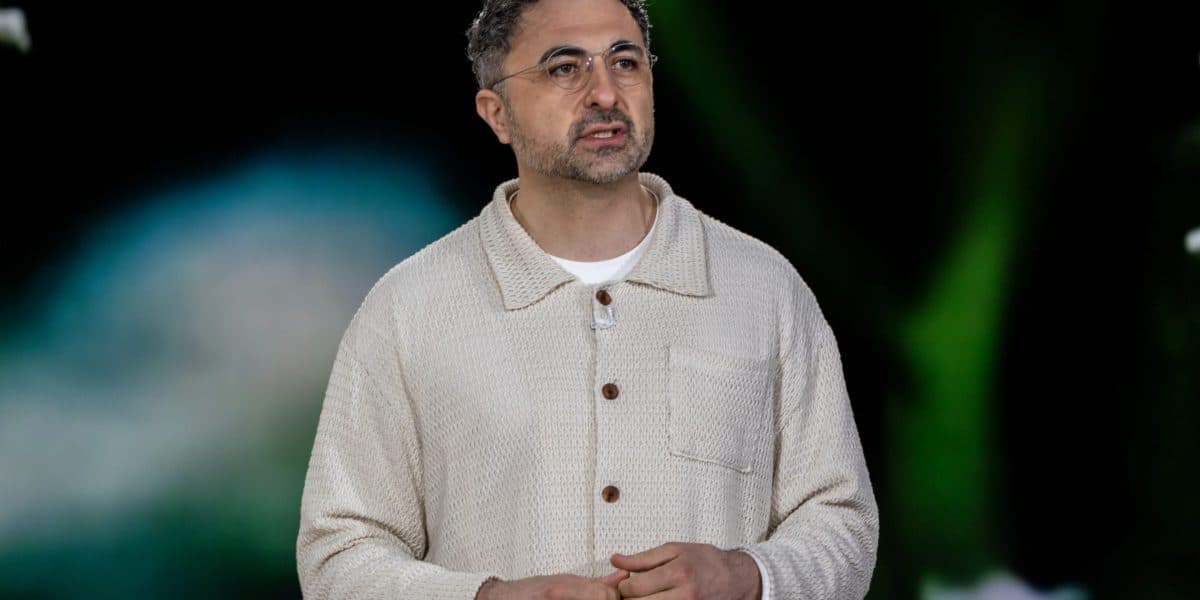
According to Fortune, Mustafa Suleyman, a key artificial intelligence executive at Microsoft, has issued a stark timeline for workplace disruption: the next 18 months will prove critical as AI capabilities mature and reshape white-collar employment across industries. Suleyman's assessment reflects growing consensus among tech leaders that computational advances are moving faster than many businesses and workers anticipated.
The warning carries particular relevance for Atlanta's robust professional services, financial services, and technology sectors, where knowledge work and computer-based tasks form the backbone of operations. From accounting firms to consulting practices to IT departments, the potential for automation could significantly impact hiring, workforce planning, and skill requirements across the metro area.
Suleyman's timeline suggests that any role involving desk work and digital systems—from data analysis to customer service to software development—faces potential automation. This trajectory would force Atlanta-area companies to reassess their talent strategies, invest in worker retraining programs, and identify which human skills remain irreplaceable in an AI-augmented workplace.
The acceleration of AI computational power isn't theoretical; it's happening now. Organizations across Atlanta should begin evaluating their exposure to automation, identifying which functions are most vulnerable, and developing strategies to help employees transition into roles that leverage distinctly human capabilities like creativity, complex decision-making, and interpersonal leadership.