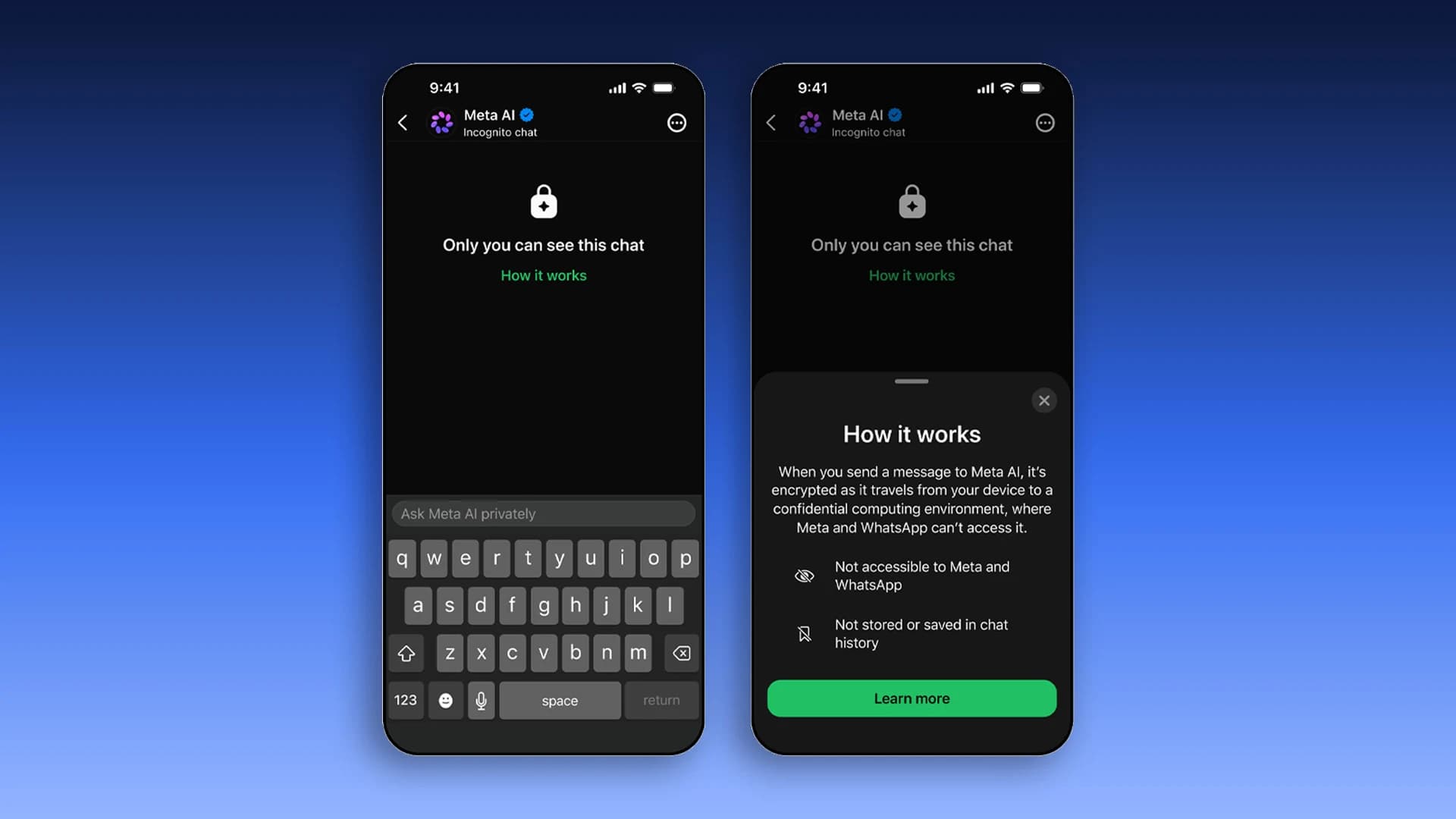
Photo via Inc.
Meta has introduced an incognito mode feature for its artificial intelligence chatting capabilities, fundamentally changing how user conversations are handled on the platform. According to the announcement, when users enable this privacy setting, Meta will not retain access to their chat logs with the AI assistant. This represents a significant shift in how the social media giant approaches user data collection and storage.
For Atlanta-area business leaders integrating AI tools into their operations, this development carries meaningful implications around data privacy and compliance. Companies leveraging Meta's AI services for customer interactions, market research, or internal communications now have the option to conduct sensitive conversations without creating a permanent record within Meta's systems. This flexibility allows enterprises to balance productivity gains from AI adoption with stricter data governance requirements.
The move reflects growing pressure from regulators and privacy advocates concerned about how technology companies handle conversational data. Atlanta's expanding tech sector—home to numerous enterprise software companies and digital transformation consultants—has watched similar privacy initiatives across the industry. The incognito feature aligns with broader trends toward user data minimization and transparent AI practices that many institutional clients now demand.
Businesses considering Meta's AI tools should evaluate how this privacy option fits their existing data management policies and regulatory obligations. While the feature addresses privacy concerns, companies should still understand what data Meta collects during non-incognito sessions and develop clear protocols for when employees should activate privacy protections during business use.