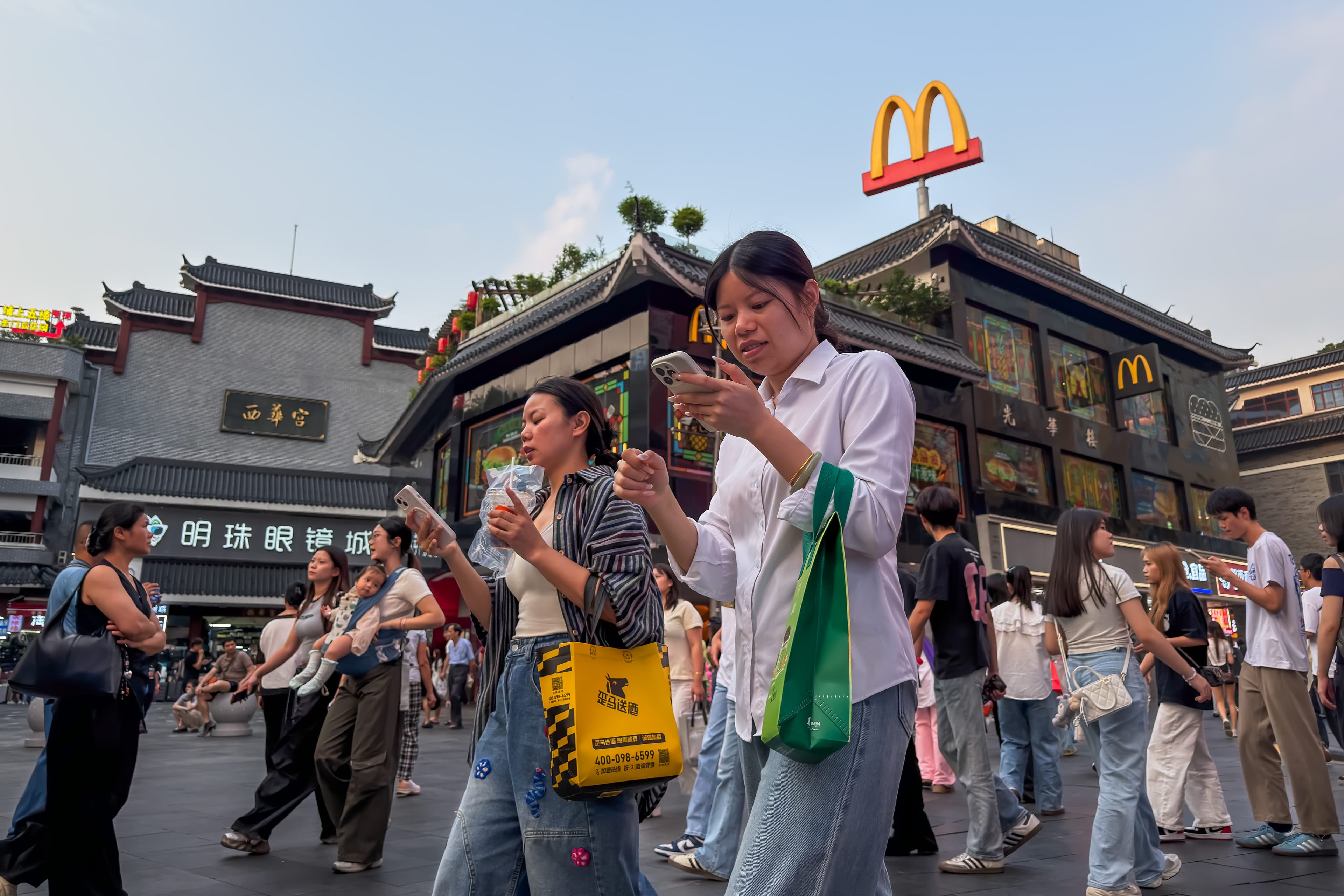
Photo via CNBC Business
McDonald's is charting a notably different course than many Western competitors in China. According to CNBC Business, the fast-food giant plans to expand to 10,000 locations across the country by the end of 2028—a bold commitment that positions China as its second-largest market globally. This contrasts sharply with the pullback strategy adopted by numerous international retailers facing headwinds in the region.
The expansion strategy reflects McDonald's confidence in China's long-term consumer market, despite near-term economic uncertainties. The company's willingness to invest heavily in the region while others retreat suggests a calculated bet on sustained demand for quick-service dining and the growth of urban middle-class consumers. For Atlanta-based restaurant operators and franchise systems, McDonald's approach underscores the importance of market-specific adaptation and commitment to emerging opportunities.
McDonald's success in China hinges on localization—adapting menus, service models, and marketing to regional preferences while maintaining brand consistency. The chain has already demonstrated flexibility by introducing regional menu items and partnering with local tech platforms. This playbook offers valuable insights for Atlanta's thriving restaurant and hospitality sector as companies evaluate their own international expansion possibilities.
The divergence between McDonald's and other international brands reveals how strategic patience and localized execution can differentiate winners from those forced to retreat. For Atlanta business leaders considering global expansion, the company's China strategy demonstrates that market retreats aren't inevitable—success requires sustained investment, deep market understanding, and willingness to adapt business models to local realities.