Photo via Fox5 Atlanta
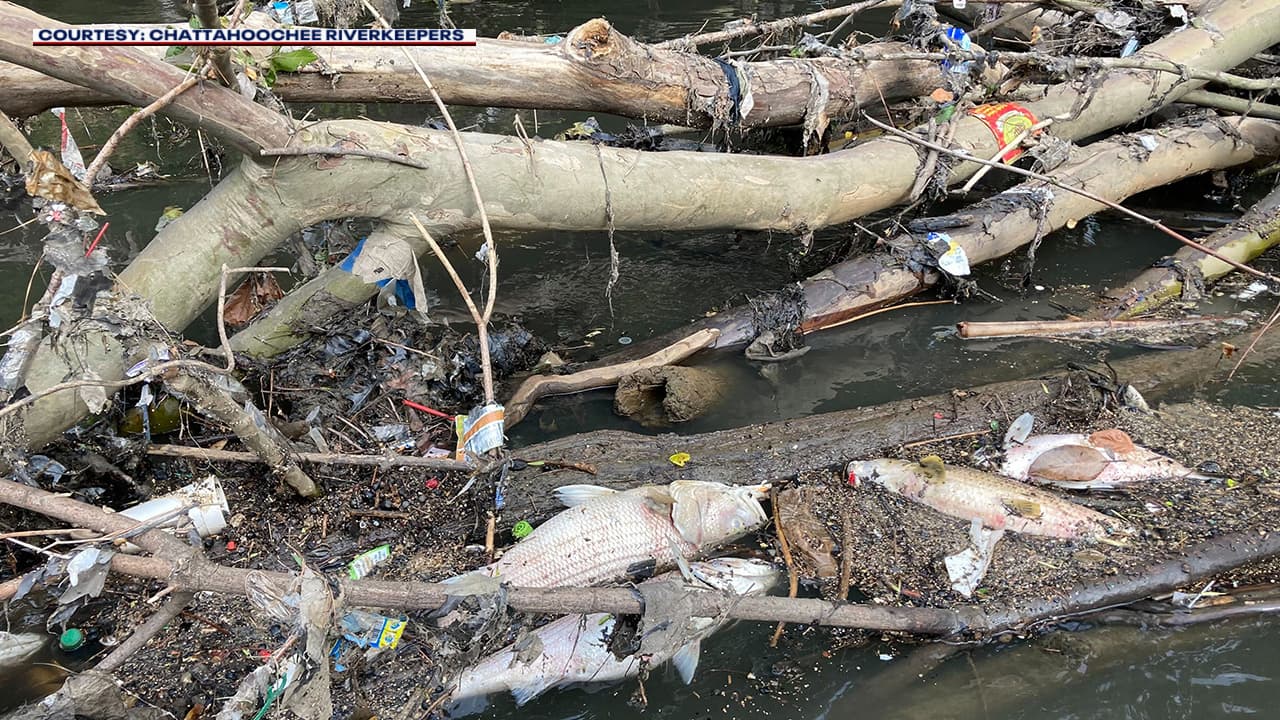
The Chattahoochee Riverkeeper Foundation recently documented a major fish kill event affecting more than 20 miles of the river, with thousands of fish succumbing to dangerously low oxygen levels. According to the organization's report, the incident underscores growing water quality challenges in a river system that serves as a critical resource for metro Atlanta's drinking water, industrial operations, and outdoor recreation economy.
Fish kills occur when dissolved oxygen levels in water drop below thresholds needed to sustain aquatic life—a condition often triggered by algae blooms, temperature spikes, stagnant conditions, or organic matter decomposition. The Chattahoochee's recent event raises questions about upstream management practices and seasonal environmental factors that Atlanta-area businesses, particularly those reliant on water resources, should monitor closely.
For the Atlanta business community, the implications extend beyond ecological concern. Water quality incidents can affect utility costs, industrial operations that depend on river water, real estate valuations along riverfront properties, and the region's outdoor recreation and tourism sectors. Additionally, such events may prompt regulatory scrutiny and increased environmental compliance requirements for downstream users.
The Chattahoochee Riverkeeper's alert serves as a reminder that Atlanta's continued growth depends on sustainable management of natural resources. Businesses operating in water-intensive industries should engage with watershed management discussions and consider how environmental stewardship aligns with long-term operational resilience in the region.