Photo via SaportaReport
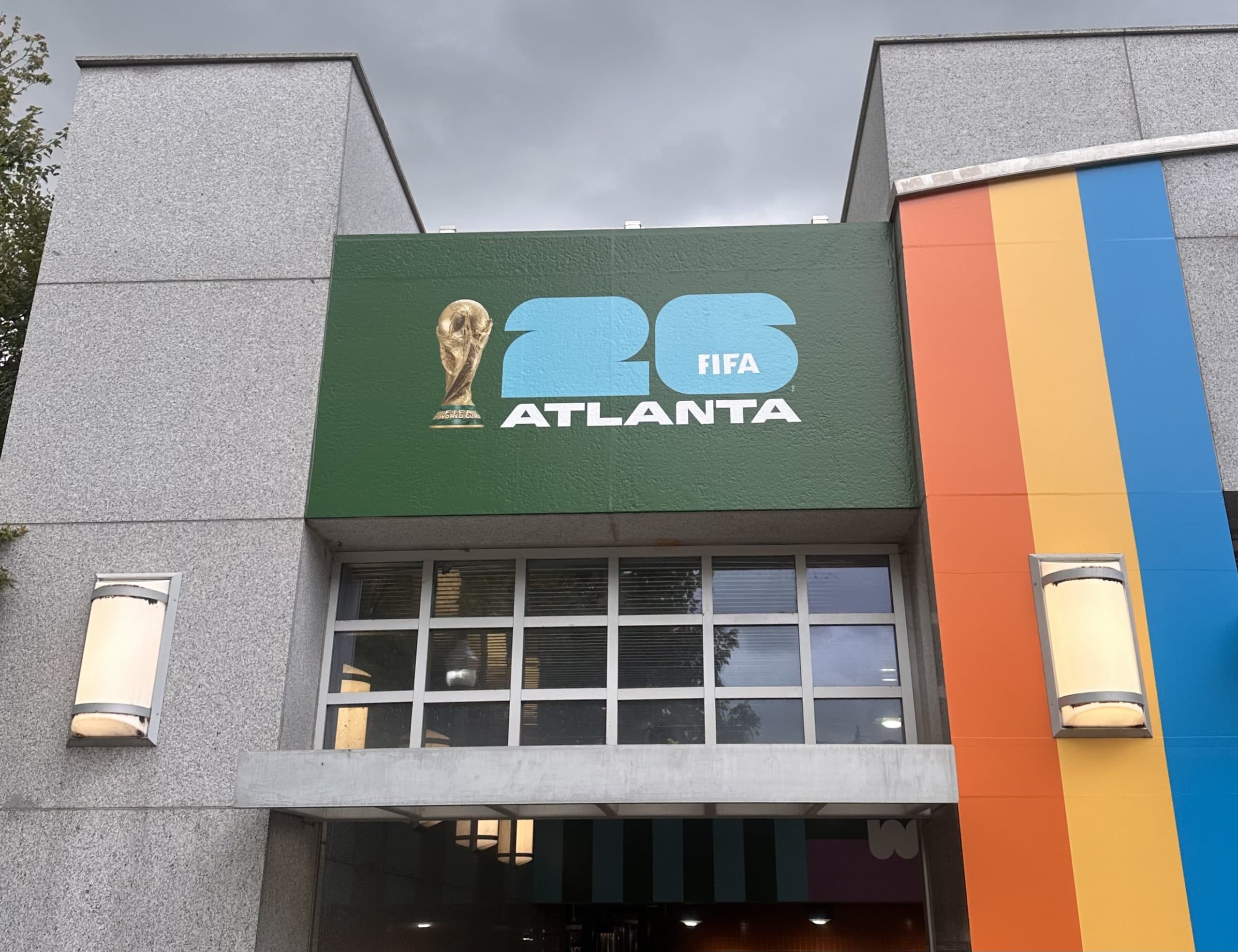
Atlanta's transit infrastructure proved capable of supporting a global sporting event, as MARTA handled significant ridership increases during the World Cup without operational disruptions. According to SaportaReport, the agency processed more than 1 million additional rail trips across all modes during the tournament, validating extensive planning efforts by the transit authority. This performance is particularly relevant for Atlanta businesses and organizations that depend on reliable transportation networks to move employees, customers, and goods throughout the metro area.
Interim CEO/General Manager Jonathan Hunt highlighted the agency's preparedness during MARTA's July board meeting, noting that eighteen months of planning enabled the system to meet World Cup demands effectively. Hunt's statement underscores the importance of infrastructure investment for cities hosting major events—a consideration that extends beyond sporting events to regular economic activity and talent attraction. For Atlanta's business community, the successful event demonstrates that the region's transportation backbone can accommodate growth and major initiatives.
The World Cup's success on MARTA's rails has broader implications for Atlanta's competitive positioning as a destination for conventions, corporate events, and international business. Reliable transit access is increasingly a factor in site selection for major conferences and headquarters relocations. As Atlanta continues recruiting new industries and expanding its business footprint, the demonstrated capacity and reliability of MARTA could serve as a differentiator when courting companies evaluating relocation or expansion into the Southeast.