Photo via 11Alive Atlanta
With the 2026 FIFA World Cup less than two years away, Atlanta's transit infrastructure faces a critical test of readiness. According to 11Alive Atlanta, City Councilor Liliana Bakhtiari and other municipal leaders have raised concerns about whether MARTA can adequately handle the influx of visitors and local travelers during the international sporting event. The scrutiny reflects broader questions about the agency's ability to execute on modernization commitments while managing daily operations.
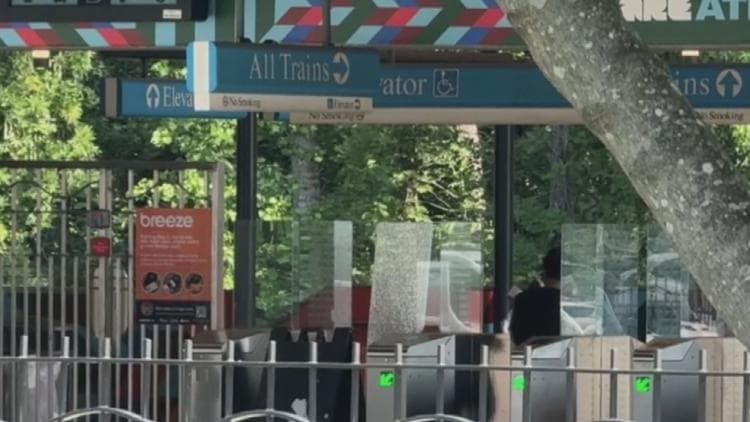
The specific infrastructure challenges are mounting. Several newly installed fare gates remain incomplete throughout the system, while others have sustained damage requiring repairs or replacement. Additionally, planned train purchases have been postponed, raising questions about whether the transit authority can expand capacity to meet anticipated demand during the World Cup. These delays compound existing concerns about aging infrastructure across the system.
MARTA has pushed back against the criticism, asserting that officials have developed a 'robust service plan' to manage World Cup operations. The agency's confidence, however, contrasts with the tangible evidence of incomplete upgrades observed by city officials. This disconnect between MARTA's assurances and visible implementation gaps has created tension among Atlanta's leadership heading into a pivotal period for the city's international reputation.
For Atlanta's business community, MARTA's readiness directly impacts transportation accessibility for workers, clients, and visitors. Hotels, restaurants, retail establishments, and event venues will depend on reliable transit to capitalize on the World Cup's economic opportunity. The current trajectory suggests the agency must accelerate its upgrade timeline significantly to avoid undermining Atlanta's ability to project a world-class experience during the tournament.