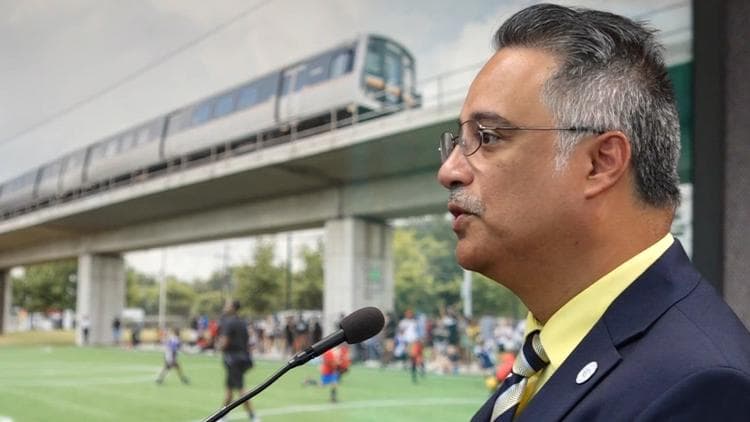
Photo via 11Alive Atlanta
The Metropolitan Atlanta Rapid Transit Authority is undertaking a significant modernization effort to accommodate World Cup visitors and enhance service for the region's growing workforce. According to 11Alive Atlanta, MARTA is preparing to handle up to 100,000 daily riders during the tournament, representing a substantial increase from typical ridership volumes and positioning the transit system as a critical piece of Atlanta's event infrastructure.
The upgrades span three core areas: service frequency enhancements, security improvements, and technology integration. These investments are designed not merely as temporary measures but as lasting improvements to MARTA's operational capacity. For Atlanta-area businesses, enhanced transit connectivity reduces employee commute times and improves accessibility to downtown employment centers, hotels, and commercial districts that will benefit from World Cup-related economic activity.
Technology plays a central role in MARTA's preparation strategy. Modernized systems are expected to improve payment processing, real-time passenger information, and operational efficiency—capabilities that will serve the broader Atlanta economy well beyond the tournament. As the city positions itself as a major international events destination, robust transit infrastructure becomes increasingly important for attracting business conferences, conventions, and corporate relocations.
The World Cup represents a high-stakes test of Atlanta's urban infrastructure and planning capabilities. Successfully executing these transit improvements could strengthen the region's competitive positioning for future major events and signal to the business community that Atlanta's public systems can handle growth at scale. The lasting benefits of these upgrades position Atlanta favorably for continued economic development and business investment.