Photo via 11Alive Atlanta
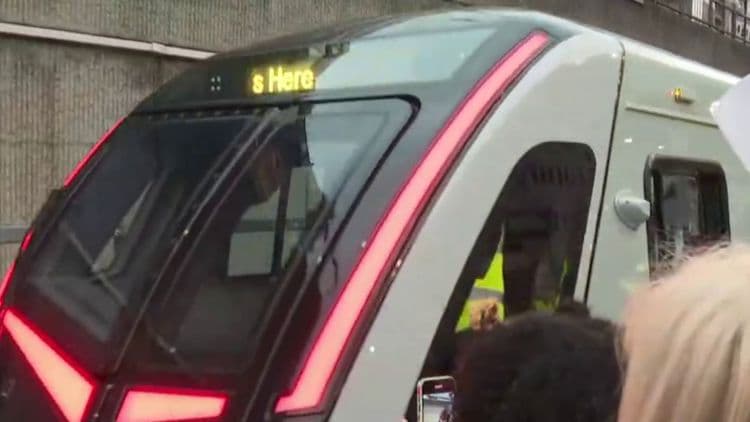
The Metropolitan Atlanta Rapid Transit Authority (MARTA) has delayed the introduction of its next-generation train cars, a setback that comes at a critical time for the region's transportation infrastructure. According to 11Alive Atlanta, the transit agency has not publicly confirmed whether the modernized fleet will be operational before the World Cup arrives in the Atlanta area, leaving stakeholders uncertain about the system's capacity to handle the anticipated influx of visitors.
For Atlanta's business community and hospitality sector, the timing of this delay presents operational challenges. Hotels, restaurants, retail establishments, and tourism-related businesses have been planning staffing and logistics around the assumption that MARTA would provide enhanced transit capacity during the global sporting event. The postponement forces these organizations to reassess their infrastructure plans and customer experience strategies.
MARTA's next-generation train cars represent a significant capital investment designed to modernize the system and improve service reliability across the network. The delay underscores the complexity of large-scale transportation infrastructure projects and the technical hurdles involved in deploying new fleet technology at scale. Understanding the reasons behind the postponement—whether technical, regulatory, or budgetary—will be critical for stakeholders dependent on reliable transit.
As the World Cup approaches, regional leaders and business operators should seek clarity from MARTA on alternative contingency plans and revised timelines. Clear communication about transit capacity, service enhancements, and backup transportation options will be essential for businesses to finalize their World Cup preparations and ensure a seamless experience for visitors and employees alike.