Photo via Inc.
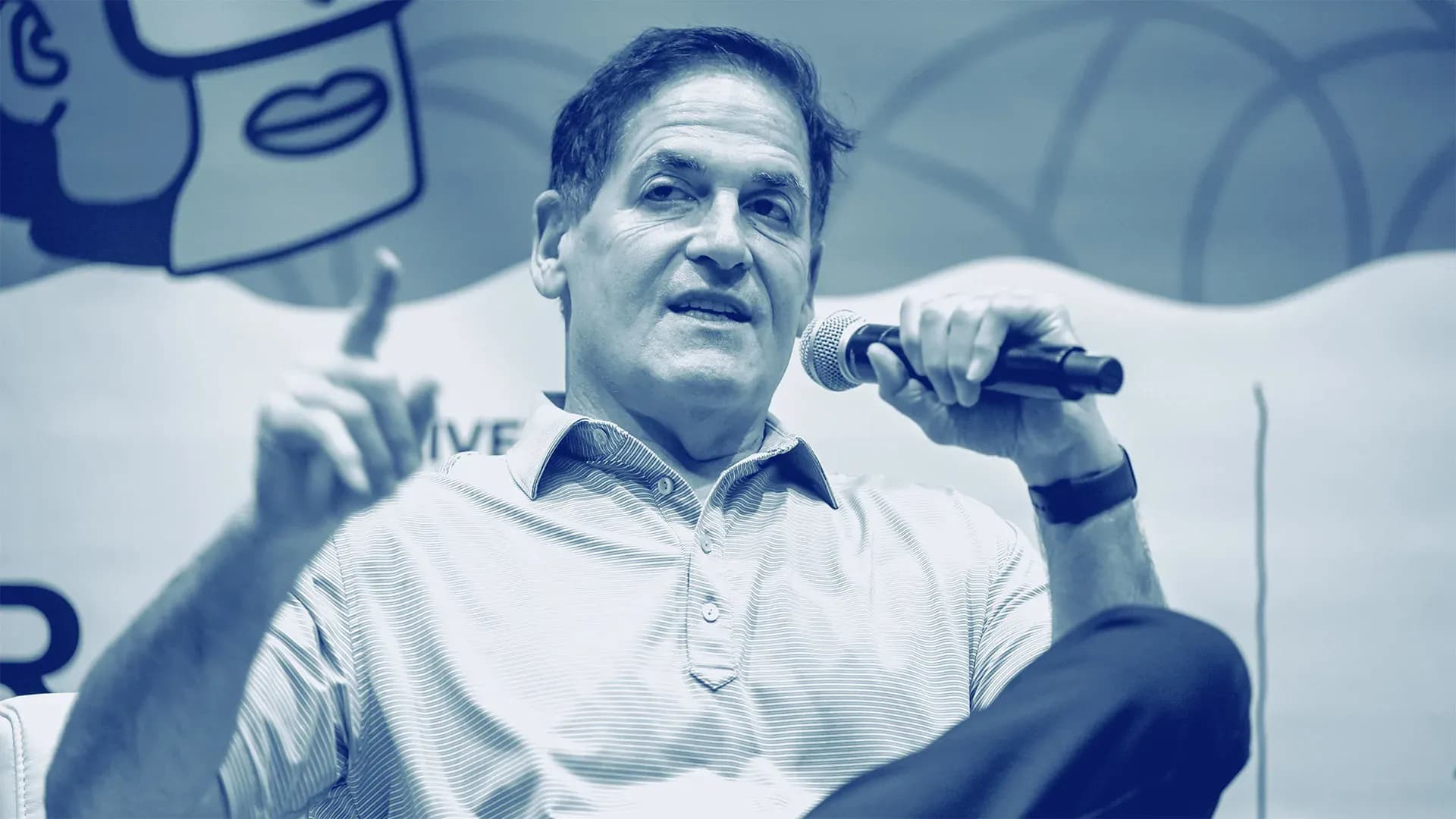
As artificial intelligence continues reshaping business operations across Atlanta and beyond, a new skillset is emerging as a potential competitive advantage. According to Mark Cuban, the ability to design and deploy AI agents—autonomous systems that perform specific business tasks—represents an increasingly valuable capability for tech professionals and entrepreneurs looking to stand out in a crowded market.
Cuban's insight comes at a critical moment for Atlanta's technology sector, which has seen significant growth in AI startups and corporate innovation hubs over the past two years. For local business leaders considering AI implementation, understanding how to brief and build these agents could reduce reliance on expensive consultants and accelerate digital transformation initiatives across Atlanta-based companies.
Getting started doesn't require advanced degrees or years of experience, according to Cuban's framework. The foundation rests on crafting a clear, focused prompt that defines exactly what problem the agent should solve. This accessible entry point suggests that Atlanta's existing workforce—from finance and logistics professionals to healthcare administrators—could develop relevant AI capabilities without completely retraining.
For Atlanta entrepreneurs and established companies alike, this democratization of AI agent development represents both opportunity and urgency. Those who invest in building this capability now could position their organizations as leaders in operational efficiency while attracting top technical talent seeking meaningful, forward-looking roles in the region's growing tech ecosystem.