Photo via FreightWaves
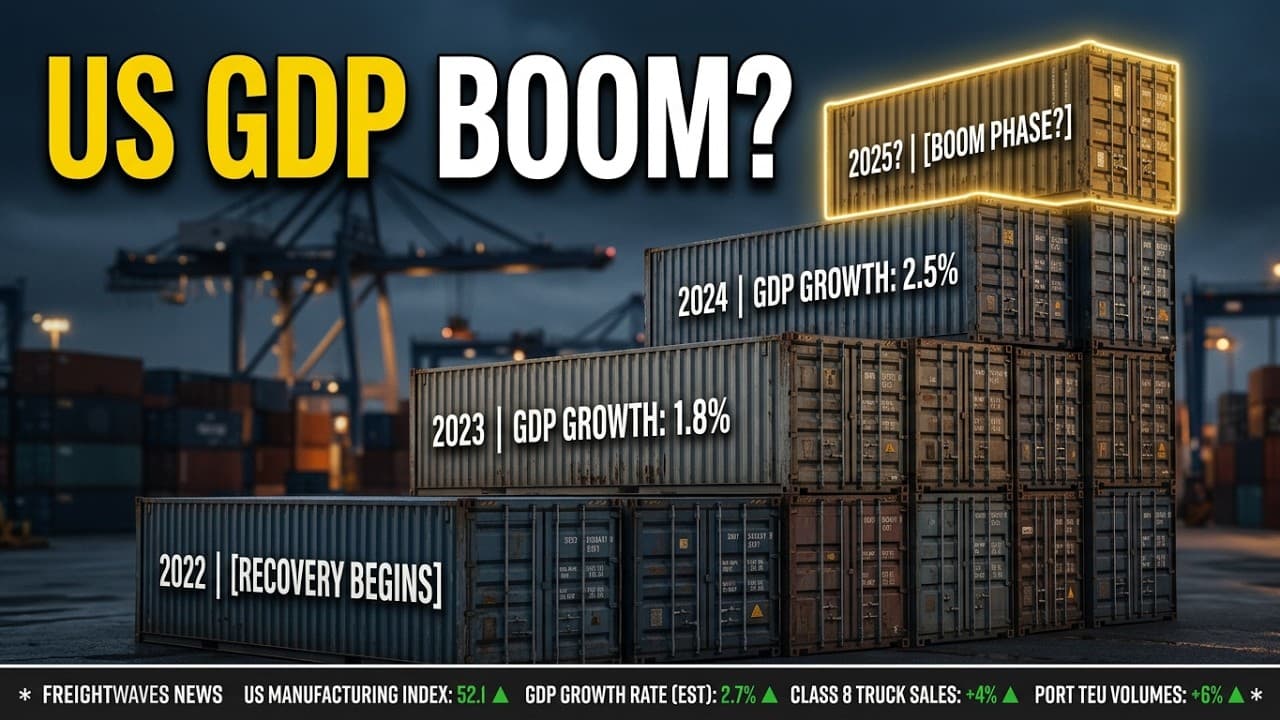
According to Mark Vitner, Chief Economist at Piedmont Crescent Capital, the American consumer has demonstrated unexpected staying power despite economic uncertainties, positioning both manufacturing activity and gross domestic product growth for potential outperformance. Vitner's analysis suggests that underlying economic fundamentals remain stronger than many forecasts have anticipated, with consumer resilience playing a central role in supporting broader economic momentum.
The manufacturing sector, long considered a bellwether for economic health, appears primed for recovery as demand from robust consumer spending filters through supply chains. This manufacturing rebound could translate into sustained GDP growth, though experts warn that momentum may face headwinds from structural challenges elsewhere in the economy.
The housing market presents a notable constraint on broader economic expansion, with weakness in residential construction and related activity creating indirect ripple effects across the freight and logistics sectors. As housing demand remains subdued, the transportation industry faces reduced demand for materials and goods typically associated with construction activity, illustrating how sector-specific challenges can influence downstream economic performance.