Photo via CNBC Business
Despite warnings from President Trump that he would 'remember' companies failing to apply for tariff refunds, major retailers are moving forward with applications anyway, according to CNBC reporting. The shift signals that large corporations are prioritizing financial recovery over political considerations, even as the tariff landscape remains uncertain.
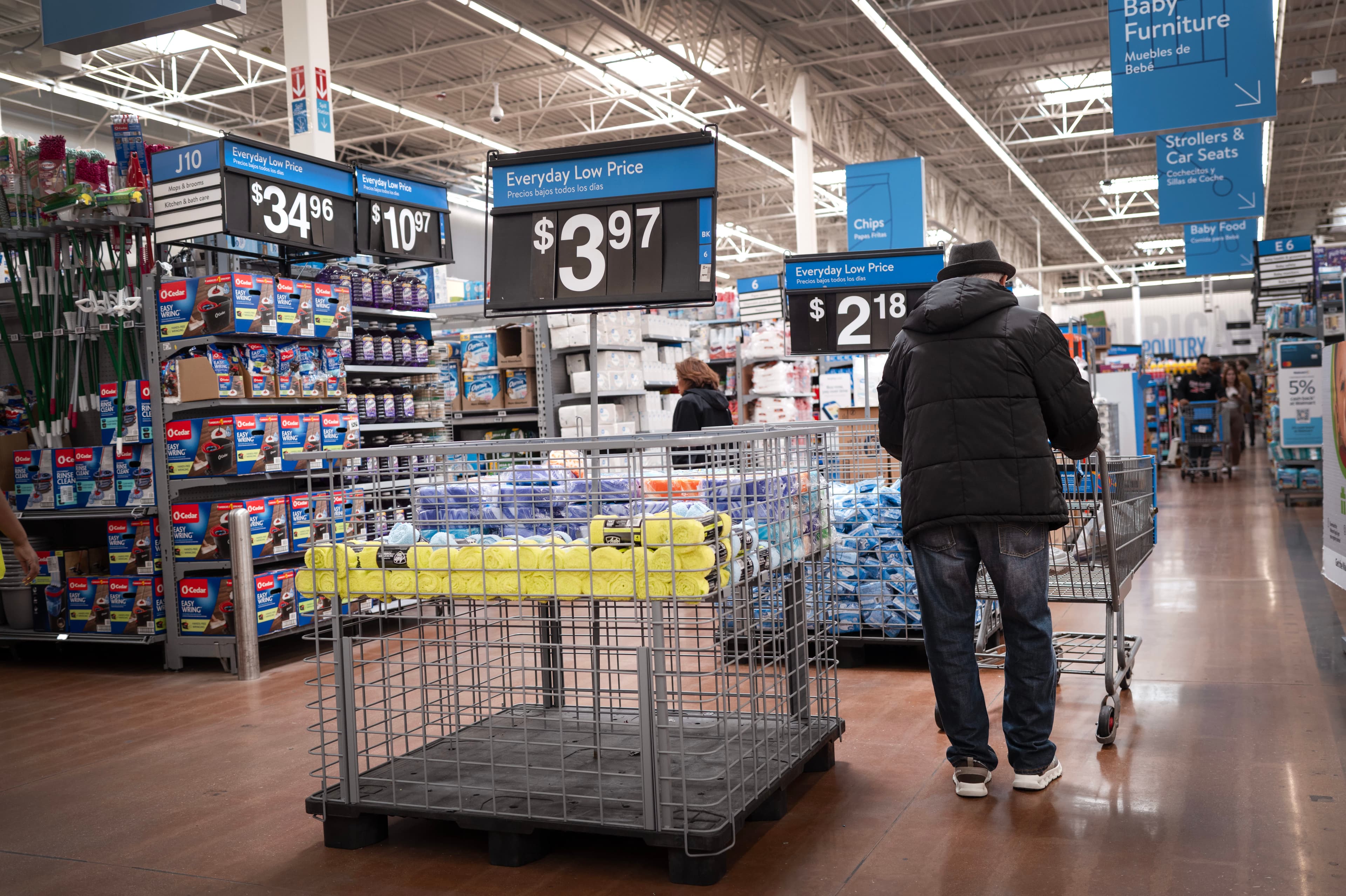
Walmart, one of the nation's largest retailers with significant Georgia operations, has confirmed it is pursuing tariff refunds and has committed to directing any recovered funds toward competitive pricing for customers. This strategy reflects the retail sector's broader challenge: balancing the need to recoup tariff-related costs while maintaining price competitiveness in an increasingly pressured consumer market.
For Atlanta-area businesses—particularly in retail and logistics—the tariff refund question carries direct implications. Georgia's robust supply chain and distribution networks mean local companies are deeply exposed to tariff impacts. Retailers operating distribution centers or headquarters in the metro area must weigh the potential backlash of non-compliance against the business case for recovering losses.
The decision by major corporations to pursue refunds despite political pressure suggests that financial prudence may ultimately outweigh political messaging for large, publicly traded companies. Atlanta businesses should monitor how this situation evolves, as it may establish precedent for how tariff policies will actually be implemented and enforced in practice.