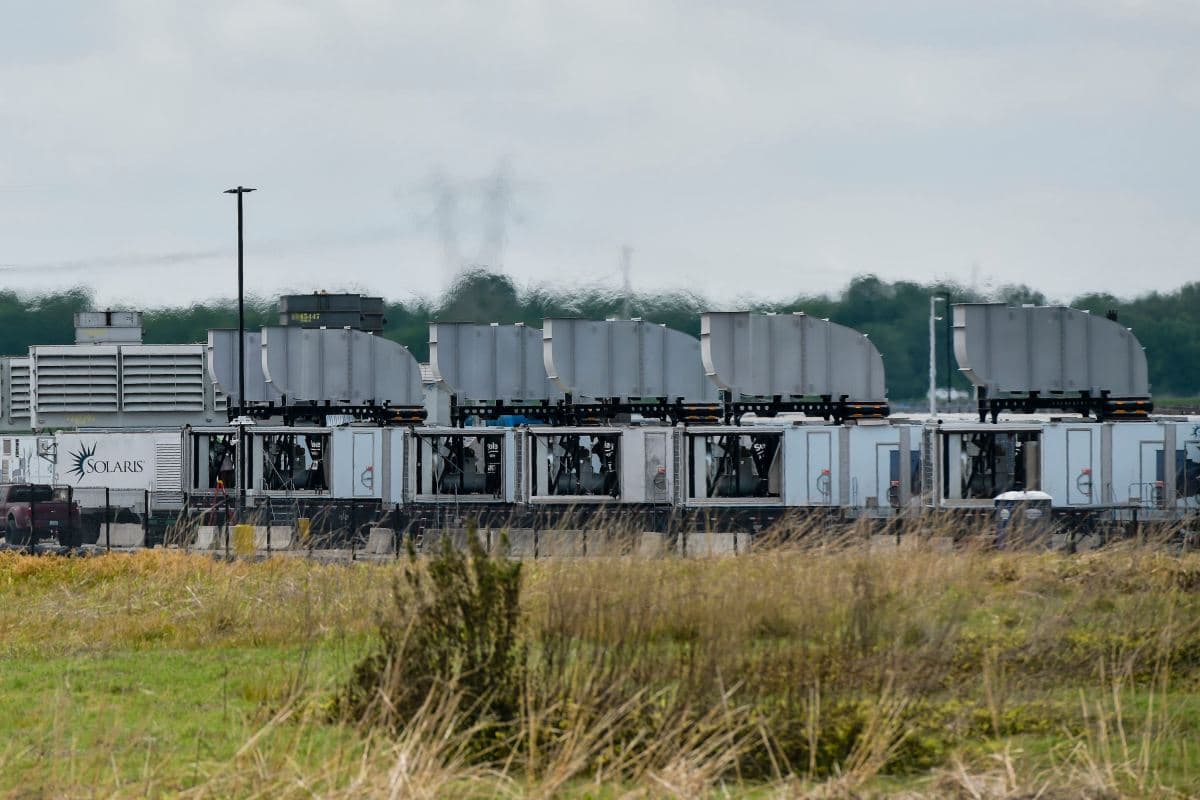
Photo via TechCrunch
Maine's governor has rejected a controversial bill that would have created the nation's first statewide moratorium on new data center construction through November 2027. According to TechCrunch, the veto represents a significant moment in the ongoing debate over how states should balance artificial intelligence infrastructure development against local community concerns.
The rejected legislation, identified as L.D. 307, had been positioned as a way to study the impact of data centers on Maine communities before allowing further expansion. The moratorium would have been among the most restrictive policies of its kind in the country, signaling growing anxiety in some regions about the power consumption and environmental footprint of AI computing facilities.
For Atlanta-area business leaders, Maine's decision carries relevance as Southeast states increasingly compete for data center investment. Georgia has positioned itself as a favorable location for tech infrastructure, and the rejection of restrictive policies elsewhere could influence regional recruitment efforts and expansion plans by major cloud and AI companies.
The veto underscores an emerging tension between communities seeking environmental protections and state leaders eager to attract high-value tech infrastructure jobs and investment. As data center demand accelerates nationwide due to AI advancement, more states will likely face similar policy decisions about whether to encourage or constrain this sector's growth.