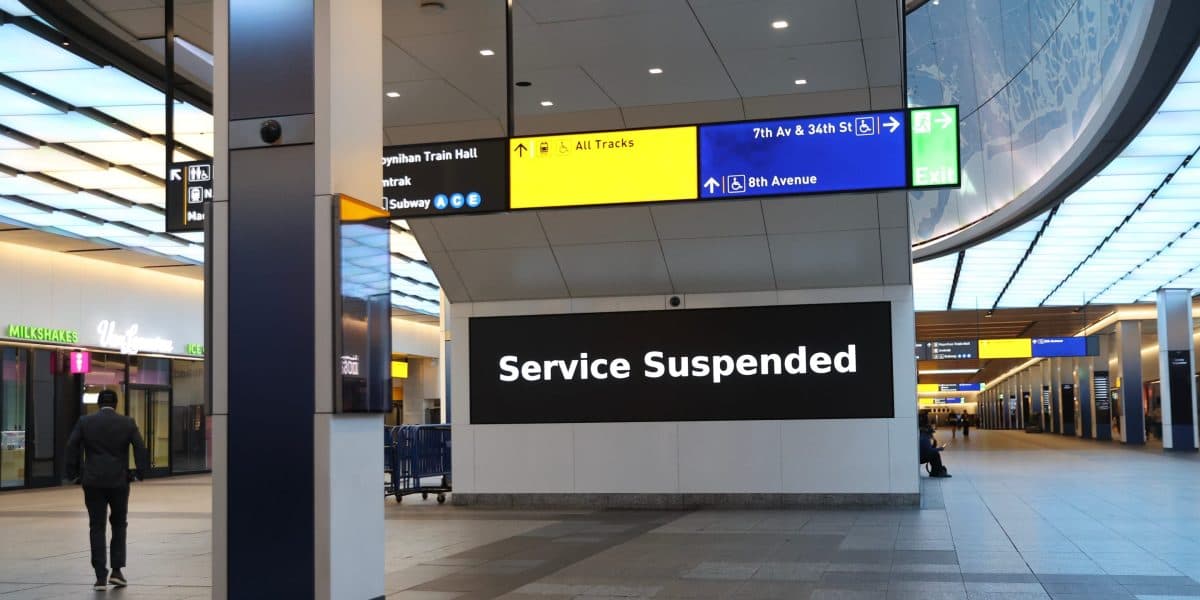
Photo via Fortune
When half of a major regional rail workforce walks off the job, the ripple effects extend far beyond commuter inconvenience. According to Fortune, five unions representing approximately 50% of Long Island Rail Road employees initiated a strike after extended negotiations, underscoring the fragility of transportation infrastructure that business leaders depend on. For Atlanta-area companies with operations or distribution networks in the Northeast corridor, such disruptions serve as a cautionary tale about the importance of diversified logistics planning.
The situation reflects broader tensions in labor negotiations across critical infrastructure sectors. When transportation workers leverage their essential role—as happened in this case, even drawing attention from federal leadership—it demonstrates the leverage that union representation can exert on regional economies. Companies relying on Northeast distribution hubs or just-in-time inventory systems face potential delays that can cascade through supply chains, a lesson relevant to Atlanta's own logistics-dependent economy.
The Hamptons region, a high-value market for hospitality, retail, and real estate, faces particular vulnerability during peak season. Businesses in that area—from luxury retail to restaurants and seasonal employers—depend heavily on reliable transit. For Atlanta-based companies with investments or operations in Northeast markets, understanding transit labor dynamics becomes part of comprehensive risk management.
This incident underscores why Atlanta logistics and distribution leaders should monitor labor developments in competing regional hubs. Strengthening local transportation infrastructure and maintaining positive labor relations can position the Atlanta market as a more reliable alternative for companies seeking to avoid transit-dependent vulnerabilities. As businesses increasingly consider supply chain resilience, regions with stable transportation networks gain competitive advantage.