Photo via SaportaReport
The rapid advancement of artificial intelligence and automation is fundamentally changing how Atlanta-area businesses think about talent development and career longevity. The traditional model—where workers complete their education before entering the workforce and advance through decades in a single industry—no longer applies in today's fast-moving economy. According to SaportaReport, continuous learning is now essential for both job seekers and employers navigating an unpredictable labor market.
For Atlanta's workforce, this shift creates both challenges and opportunities. Job candidates increasingly recognize that staying competitive requires ongoing skill development, particularly in technology-adjacent fields. Whether in finance, logistics, healthcare, or emerging tech sectors that drive the region's economy, professionals must be willing to learn and adapt throughout their careers. The stakes are high: workers who fail to upskill risk obsolescence, while those who embrace continuous education position themselves for advancement and better compensation.
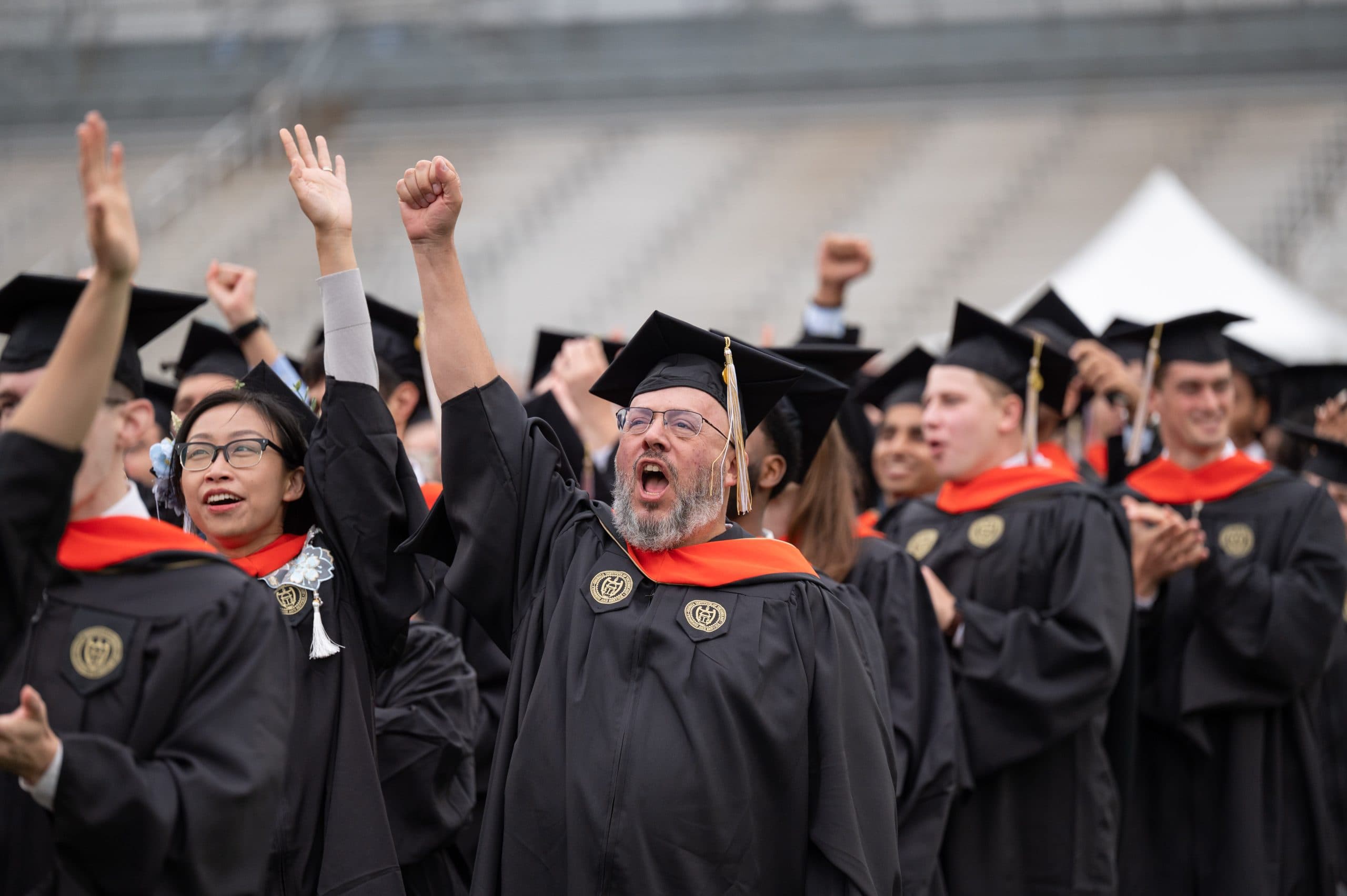
Employers across Atlanta are responding to this reality by investing heavily in workforce development programs. Companies recognize that the traditional talent pipeline—hiring fresh graduates and expecting them to remain productive for 30 years—no longer works. Instead, forward-thinking organizations are building partnerships with Georgia Tech, Atlanta universities, and professional development providers to upskill existing employees and remain attractive to job candidates seeking growth opportunities.
For Atlanta business leaders, the message is clear: in an economy reshaped by AI and technological disruption, learning is no longer a phase of life—it's a continuous necessity. Organizations that foster a culture of development, invest in employee training, and adapt their hiring practices to value adaptability over static credentials will win the talent wars and thrive in the decade ahead.