Photo via Fast Company
The global race to deploy laser weapons has accelerated dramatically, with multiple nations demonstrating operational capability in recent months. From Germany's multi-system testing programs to Australia's $7 billion counter-drone investment, militaries worldwide are moving laser technology from laboratory demonstrations to active duty. The shift reflects a fundamental recognition that high-energy laser systems represent a viable defense solution against modern drone threats—a milestone that, just months ago, remained theoretical.
For U.S. defense contractors and policymakers, the implications are significant. The Pentagon's selection of five military installations for a directed-energy counter-drone pilot program signals serious commitment to domestic laser capability, though American development timelines continue to lag behind allies like Israel and Ukraine. Meanwhile, China's defense industrial base is positioning itself to dominate the export market through rapid production scaling and competitive pricing—a strategy that could shape defense relationships across allied nations for years.
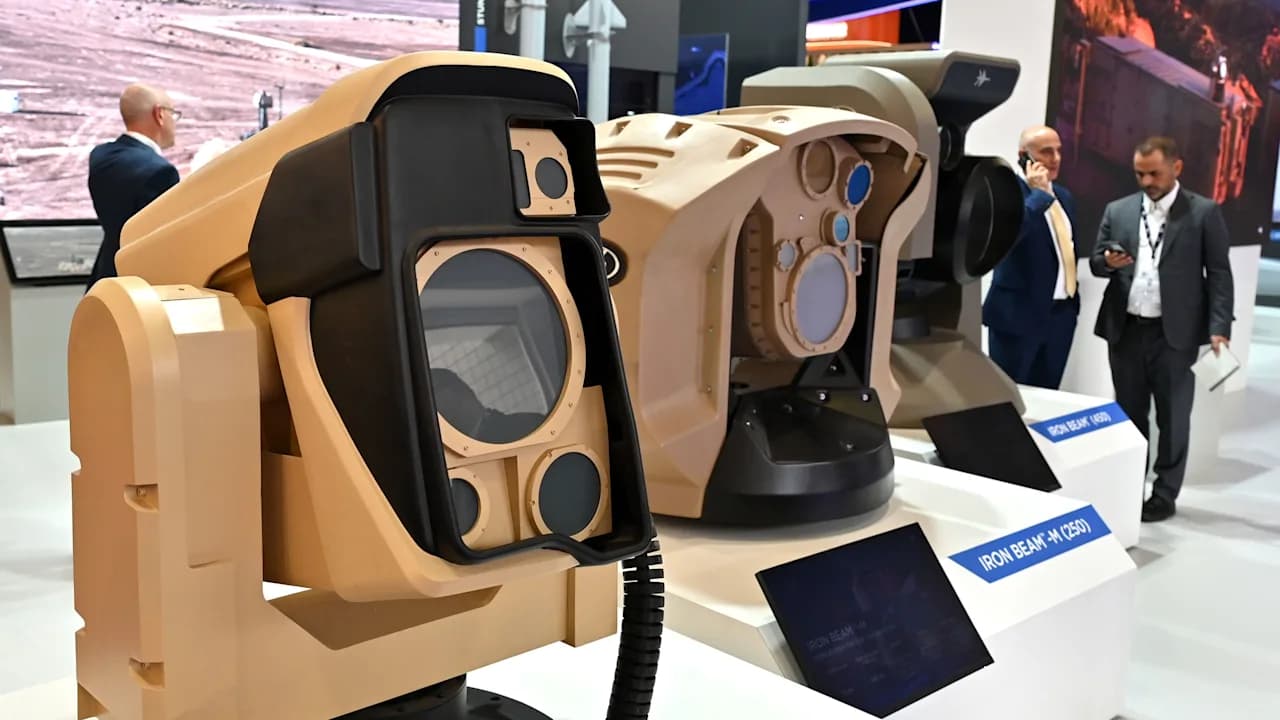
A critical insight emerges from Israel's experience: technological superiority alone is insufficient. Despite developing the advanced Iron Beam system and deploying it operationally, Israeli forces lacked adequate battery capacity when needed most. This supply chain vulnerability reveals the core challenge ahead: manufacturing laser weapons and critical components at sufficient scale to counter coordinated, multi-vector drone attacks. Nations and companies that master this production challenge will likely define the next phase of the competition.
For Atlanta-area defense contractors and technology firms, opportunities exist in addressing this industrial bottleneck. Component manufacturing, supply chain solutions, and integration systems represent critical needs across allied militaries. As Defense Secretary priorities emphasize laser weapons, federal procurement decisions will increasingly favor suppliers who can demonstrate production capacity and reliability—areas where regional manufacturers can position themselves competitively in the emerging directed-energy defense ecosystem.