Photo via Inc.
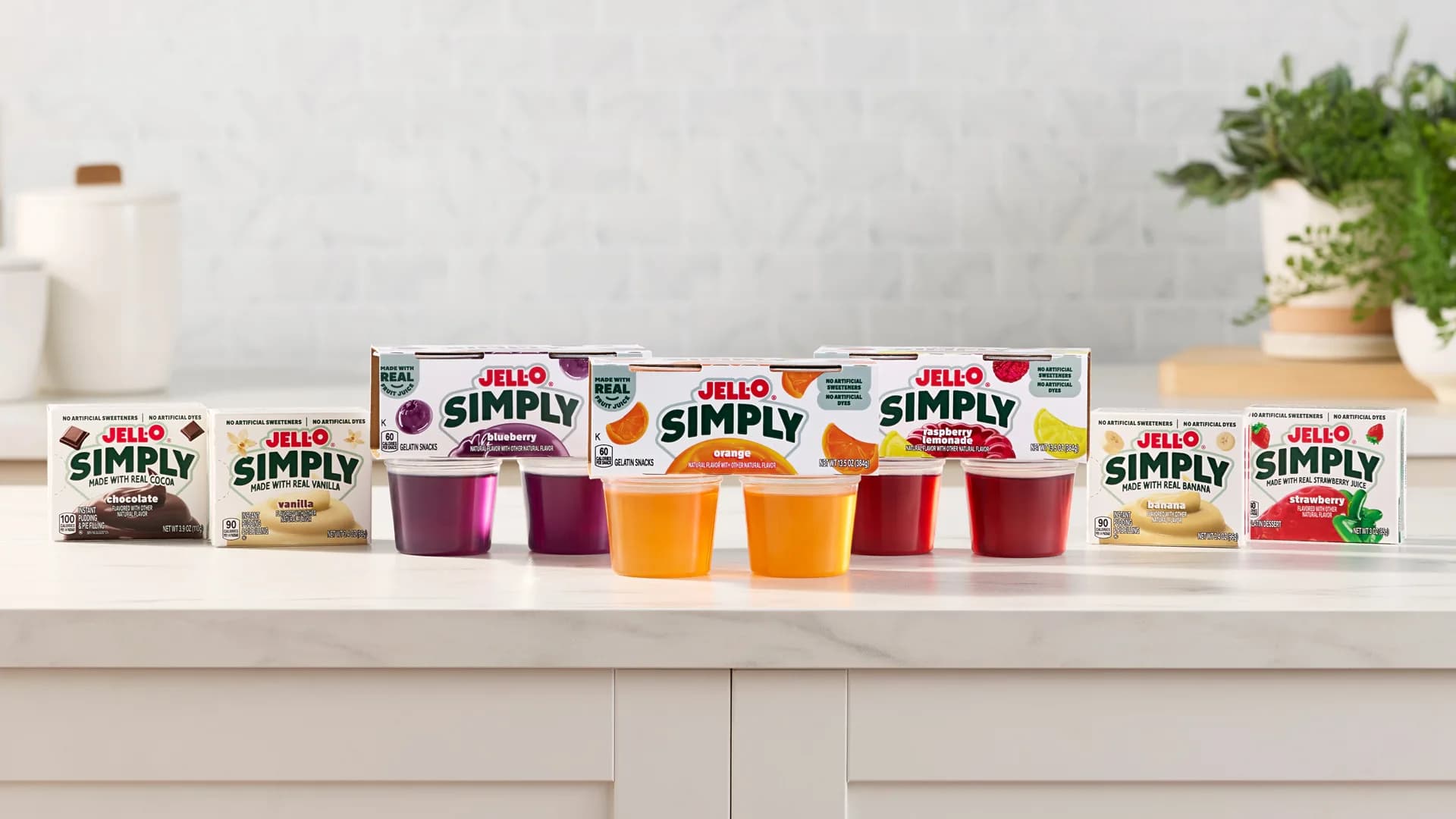
Kraft Heinz has announced it is removing artificial dyes from Jell-O, marking a significant reformulation of one of America's most recognizable dessert brands. The move comes as consumer preferences increasingly favor products with simpler, more natural ingredient lists—a shift that has prompted major food manufacturers nationwide to revisit long-standing recipes.
For Atlanta-area food and beverage companies, this trend underscores the importance of staying responsive to evolving consumer expectations around health and transparency. As larger corporations like Kraft Heinz invest in reformulation, smaller regional manufacturers and startups in Georgia's growing food sector may find competitive opportunities by emphasizing clean-label credentials and natural ingredients from the outset.
The decision to reformulate Jell-O reflects years of consumer advocacy and regulatory pressure targeting artificial additives in food products. Manufacturers have increasingly discovered that reformulation—while requiring investment in research and supply chain adjustments—can strengthen brand loyalty among health-conscious consumers and reduce exposure to potential regulatory restrictions.
For retailers and distributors across Georgia, this reformulation signals the ongoing importance of consumer education and shelf positioning around ingredient quality. Businesses in the food manufacturing and distribution space should continue monitoring these industry-wide shifts, as they influence everything from inventory management to marketing strategies in an increasingly health-conscious marketplace.