Photo via Fast Company
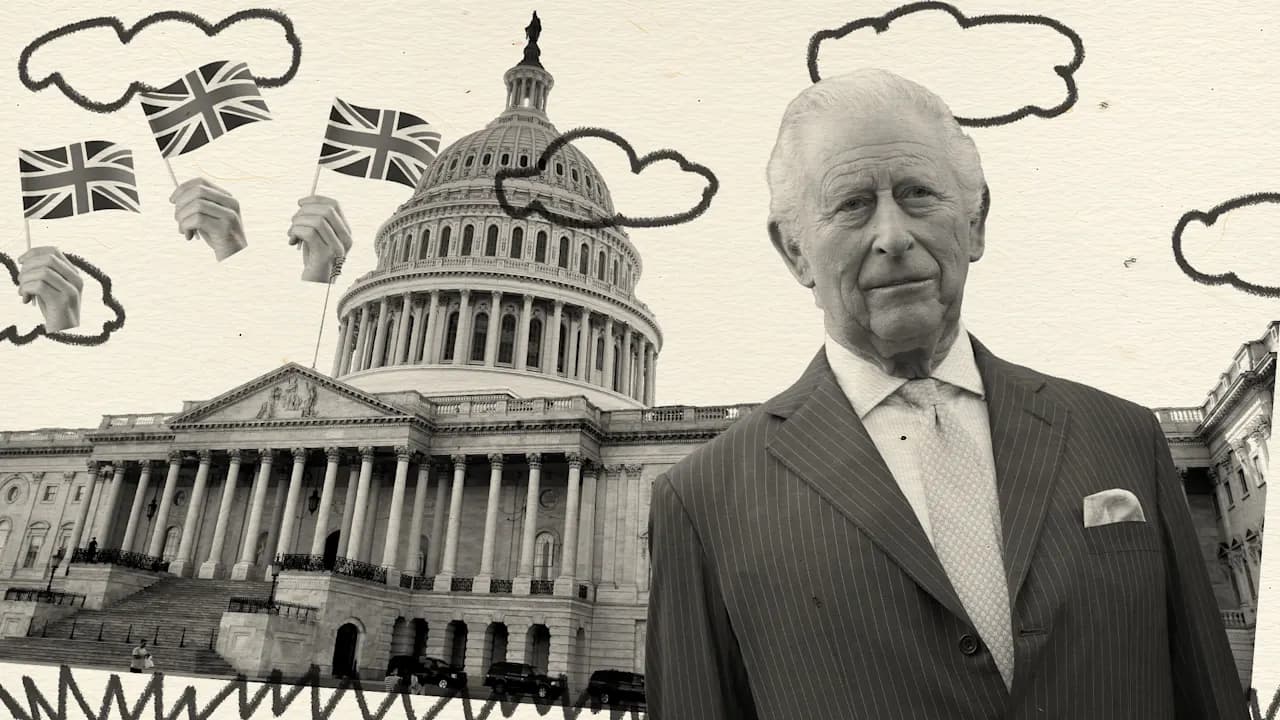
King Charles III made history on Tuesday, April 28, when he addressed a joint session of Congress—only the second British monarch ever to do so. The address marks a significant moment in U.S.-U.K. relations, particularly as the two nations navigate complex geopolitical tensions. For Atlanta-based companies with international operations or British partnerships, the visit underscores the enduring importance of the transatlantic business relationship, even amid diplomatic challenges.
The four-day state visit, which included meetings with President Trump and stops in New York and Virginia, carries strategic weight beyond ceremonial protocol. According to Fast Company, King Charles's diplomatic role—while non-political—has the power to smooth tensions between nations, particularly given current disagreements between British Prime Minister Keir Starmer and the Trump administration over issues like NATO spending and international conflicts. This diplomatic groundwork could influence trade negotiations and business-friendly policies affecting companies with dual-market interests.
Charles brings considerable experience to the role, having traveled to the United States at least 19 times since his first visit in 1970. His deep familiarity with American politics, business culture, and key stakeholders positions him well to strengthen bilateral relationships. For Atlanta's business community, stronger U.S.-U.K. ties could translate into expanded trade opportunities, particularly in sectors like technology, finance, and manufacturing where both regions have significant presence.
The address aired live on C-SPAN at 3 p.m. ET, with major news networks providing coverage. Beyond the symbolic value, industry observers note that royal state visits often precede formal trade discussions and business delegations. Atlanta companies seeking to expand into U.K. markets or deepen existing partnerships may find the renewed diplomatic focus creates a favorable climate for international growth initiatives in the coming months.