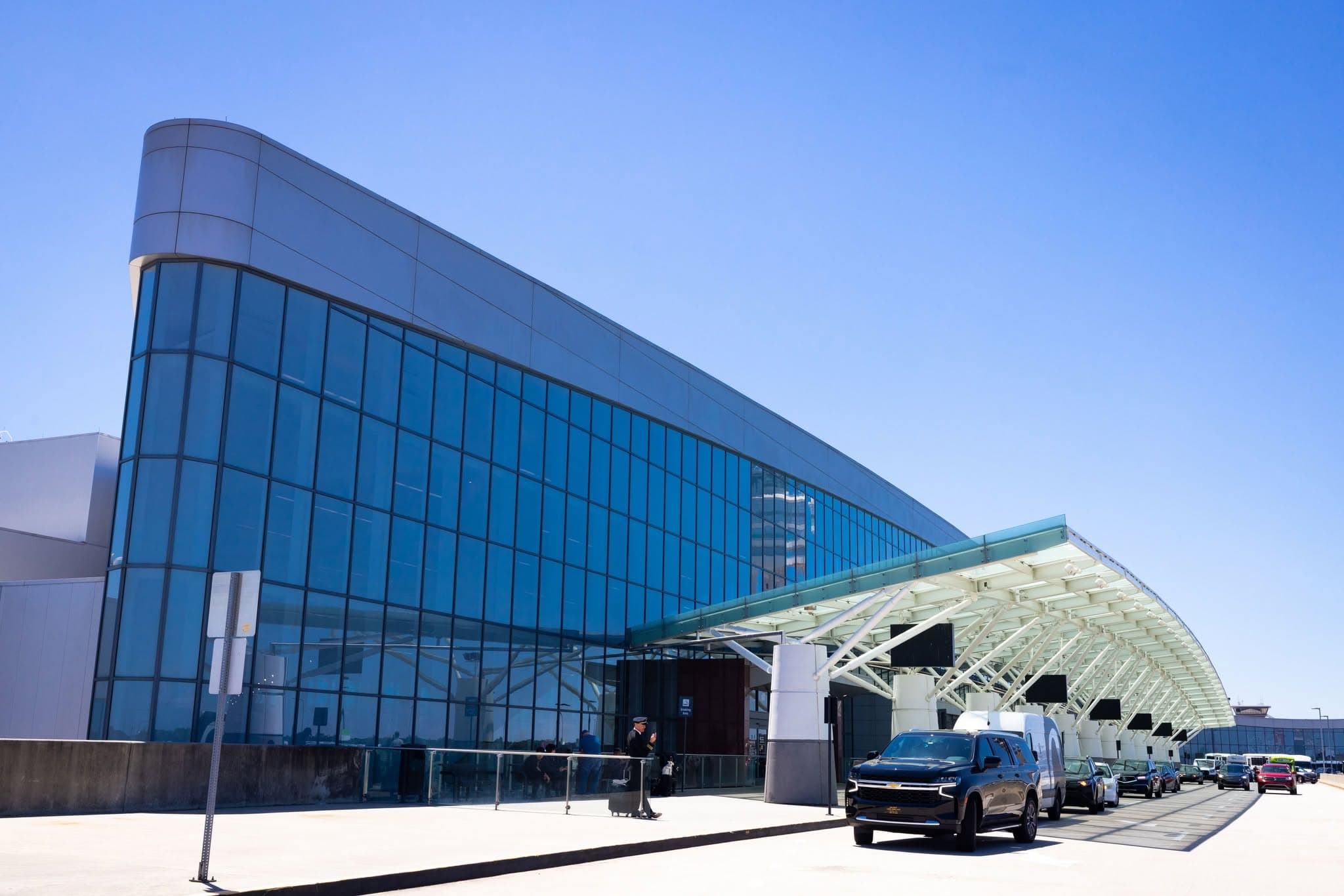
Photo via Fortune
The narrative surrounding aviation fuel shortages may be more complex than headline-grabbing reports suggest, according to industry insiders. Elevate Jet CEO Greg Raiff has publicly challenged claims that fuel availability is driving recent flight cancellations, proposing instead that external political pressures are shaping how carriers manage their operations and public messaging.
Raiff argues that many fuel shortage stories originate from government messaging aimed at influencing airline decisions during periods of international conflict. According to the Elevate Jet executive, these narratives provide airlines with strategic cover to justify route eliminations and capacity reductions that might otherwise face public scrutiny, particularly when those cuts affect the carriers' bottom line rather than responding to genuine supply constraints.
For Atlanta-area travelers and businesses reliant on consistent air service, these claims carry real implications. Atlanta's Hartsfield-Jackson International Airport remains one of the world's busiest hubs, handling significant domestic and international traffic. If fuel constraints are being overstated, questions arise about whether recent schedule disruptions reflect market realities or strategic business decisions by carriers serving the region.
The debate underscores a broader tension in aviation: distinguishing between genuine operational challenges and competitive positioning dressed up as supply-chain issues. As Atlanta businesses continue adjusting to post-pandemic travel patterns and freight logistics, clarity on actual fuel availability versus strategic narratives becomes increasingly important for planning purposes.