Photo via Inc.
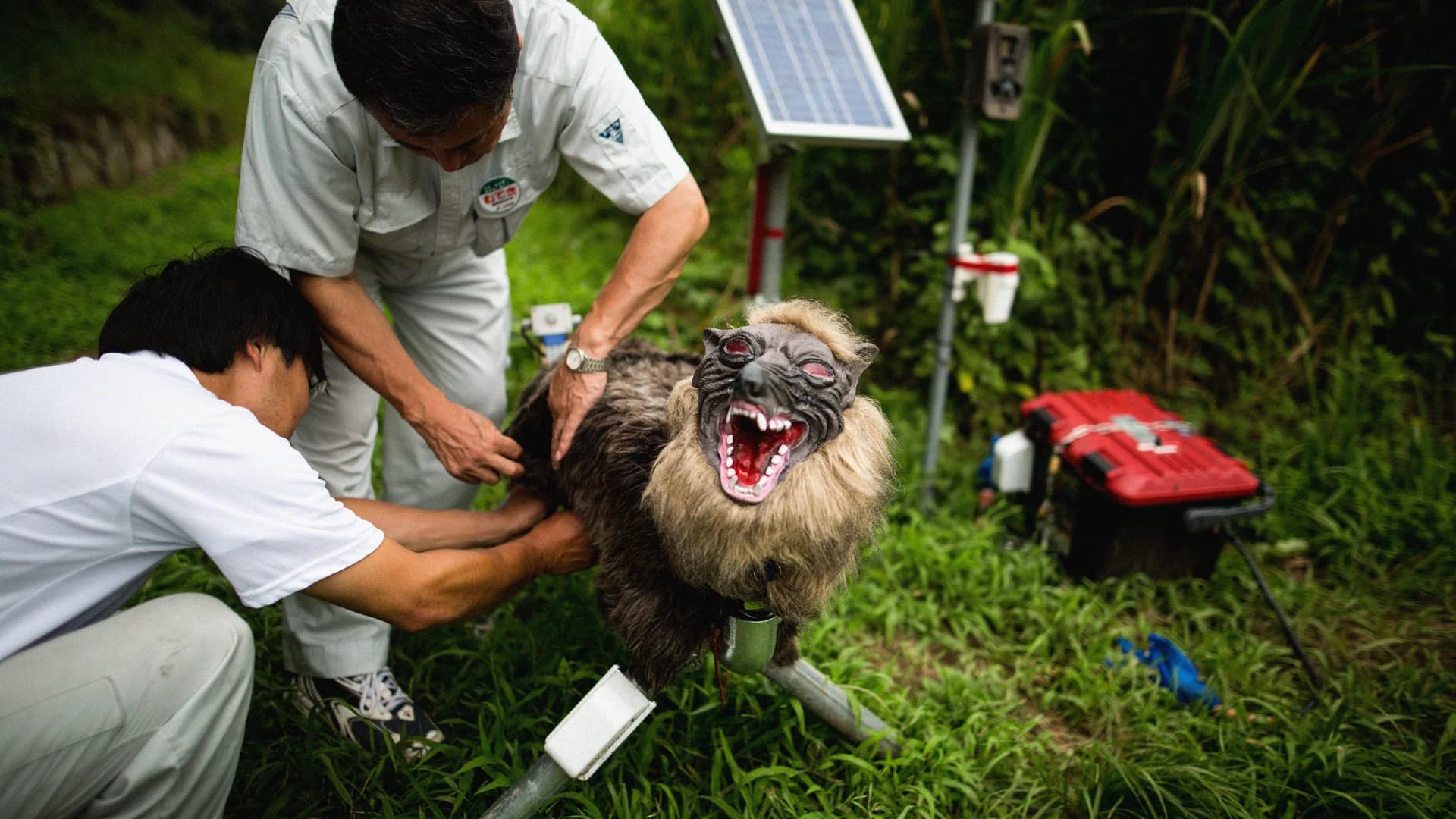
Japanese innovators have developed an unusual solution to a persistent problem: a lifelike robotic wolf designed to deter wildlife from populated areas and agricultural zones. According to Inc., the so-called 'Monster Wolf' uses movement, sound, and visual elements to frighten away bears and other animals that threaten crops and human safety. The technology represents a growing trend of using automation and robotics to solve environmental challenges rather than relying solely on traditional methods.
For Atlanta-area agricultural businesses and rural Georgia communities, this innovation highlights emerging opportunities in agritech solutions. While Georgia's farming sector differs from Japan's, similar wildlife management challenges persist across the state, particularly in regions bordering forests and natural habitats. Technology companies and agricultural equipment manufacturers in the Southeast could explore comparable robotic or sensor-based systems tailored to local wildlife and crop types.
The Monster Wolf concept also reflects broader industry trends toward humane animal management. Rather than lethal deterrents, mechanical solutions offer a non-invasive alternative that addresses safety concerns while preserving wildlife populations—an increasingly important consideration for sustainable farming operations and eco-conscious businesses.
As Georgia continues to balance rural development with environmental stewardship, monitoring innovations like Japan's Monster Wolf could inspire local entrepreneurs and agricultural technology startups to develop region-specific solutions. The intersection of robotics, sustainability, and farming represents a growing market opportunity for businesses positioned at the convergence of these sectors.