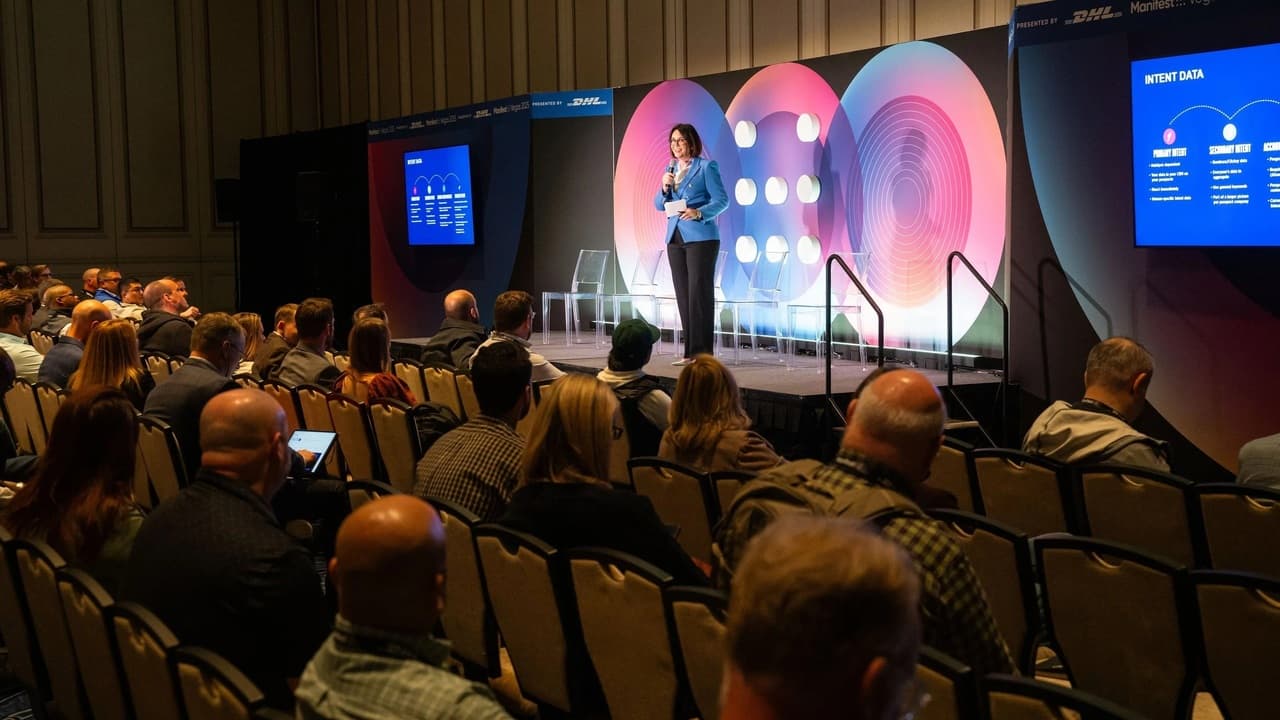
Photo via FreightWaves
The logistics and supply chain sector faces a critical question as companies rush to adopt artificial intelligence: Is the technology delivering meaningful operational gains, or are organizations caught in another wave of industry hype? According to Eric Rempel, Chief Innovation Officer at Redwood, the answer lies in distinguishing between speculative enthusiasm and concrete business applications that improve efficiency and reduce costs across freight networks and distribution operations.
Companies are increasingly investing in AI-powered tools for supply chain optimization, from route planning to demand forecasting and automated brokerage systems. These implementations have begun shifting labor patterns, with some positions becoming redundant while new roles requiring AI expertise and data analysis emerge. The transformation raises important questions about workforce adaptation and the true return on investment for early adopters versus those taking a more measured approach.
As the market matures, stakeholders across logistics—including brokers, carriers, and shippers—will likely separate genuine productivity gains from passing trends. The distinction between hype and real value depends on whether AI implementations solve specific operational challenges, improve visibility, enhance decision-making, and ultimately deliver measurable improvements to supply chain performance.