Photo via Fox5 Atlanta
Escalating tensions between the United States and Iran are raising alarm bells for business leaders across Atlanta and the Southeast. According to Fox5 Atlanta, President Trump has signaled that military action could resume in the near term, while Iranian state media has begun messaging its population to prepare for potential conflict. For Atlanta's business community—particularly those in energy, logistics, and international trade—these developments warrant close monitoring.
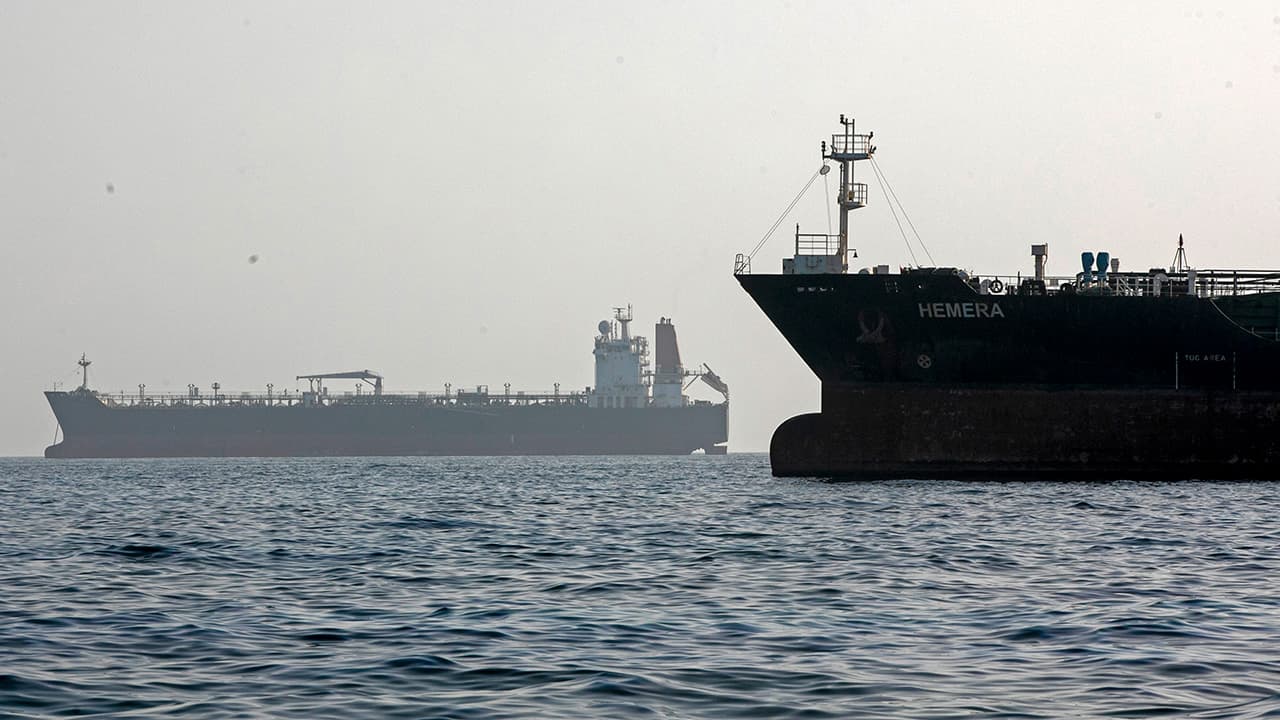
The prospect of renewed fighting carries direct implications for regional markets. Energy prices, which affect everything from transportation costs to manufacturing operations, could face upward pressure if Middle Eastern conflicts disrupt global supply chains. Companies with exposure to international markets or commodities trading should assess their hedging strategies and supply chain vulnerabilities in light of potential volatility.
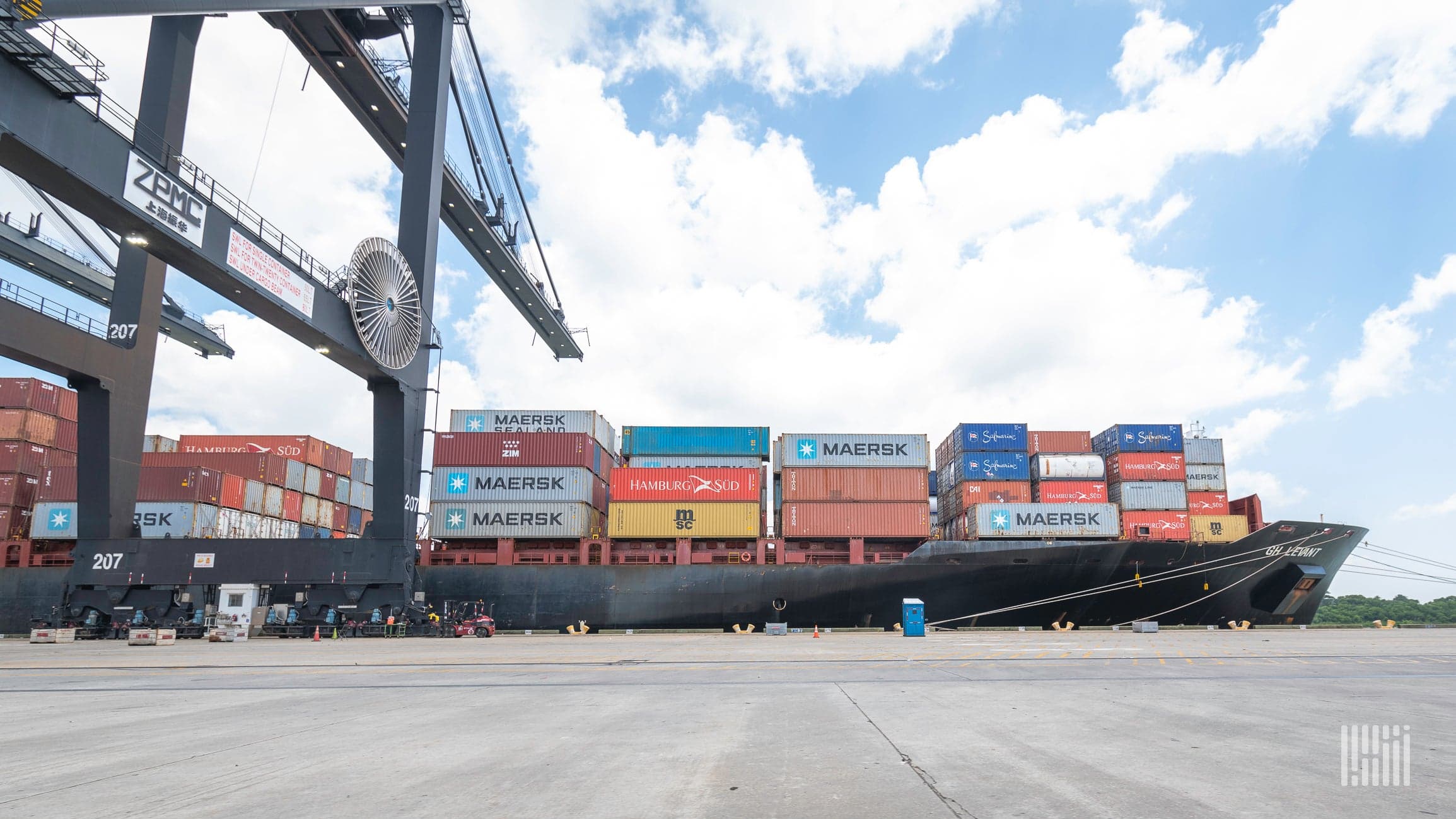
Atlanta's logistics and transportation sectors face particular exposure to geopolitical instability. The region's port, major distribution hubs, and freight operations depend on stable global trade flows. Businesses relying on just-in-time inventory systems or international shipments may need to review contingency plans and consider diversifying sourcing or routing strategies to mitigate disruption risk.
Business leaders should stay informed through official channels and industry associations while avoiding overreaction to preliminary developments. Working with risk management professionals, trade advisors, and supply chain specialists can help Atlanta-area companies navigate uncertainty and position themselves to respond quickly should market conditions shift. Proactive planning now may help cushion against potential economic headwinds ahead.