Photo via Fast Company
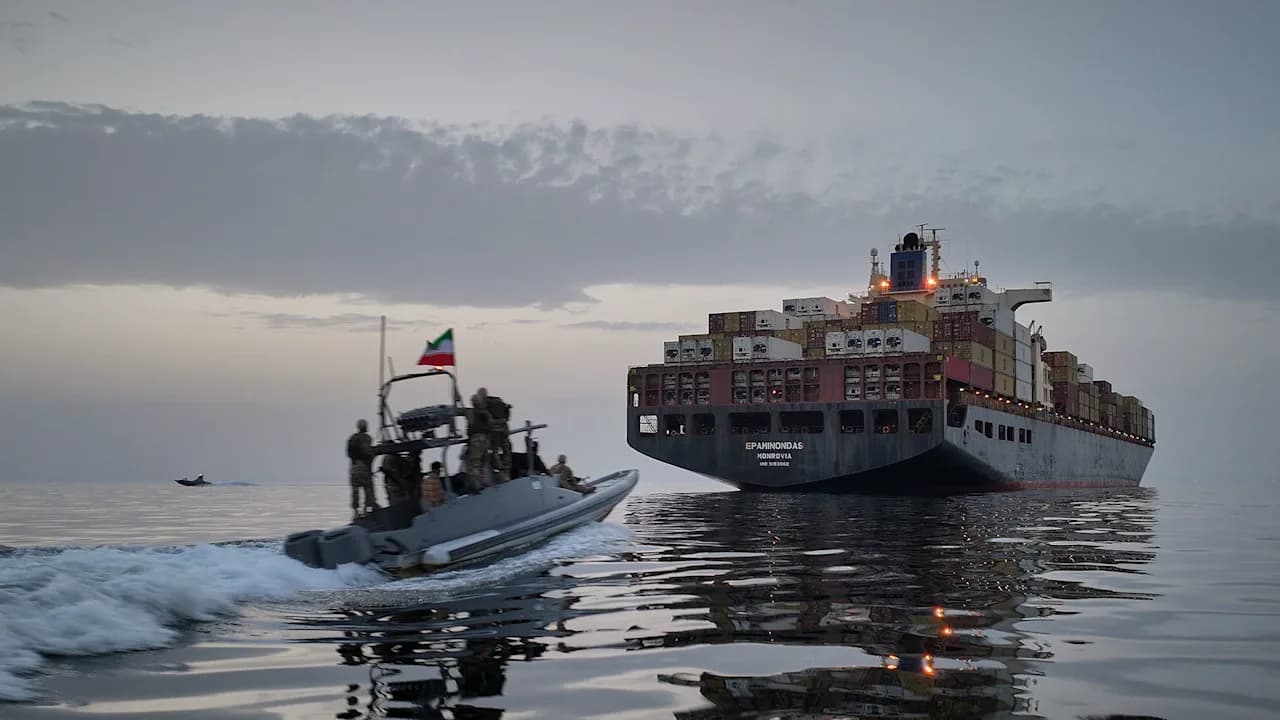
The Trump administration appears poised to reject Iran's latest diplomatic overture, which would require the U.S. to lift economic sanctions in exchange for reopening the Strait of Hormuz and halting regional military operations. According to the Associated Press, Secretary of State Marco Rubio signaled Monday that any agreement must include firm commitments on Iran's nuclear capabilities, effectively dismissing Tehran's proposal to defer those discussions indefinitely.
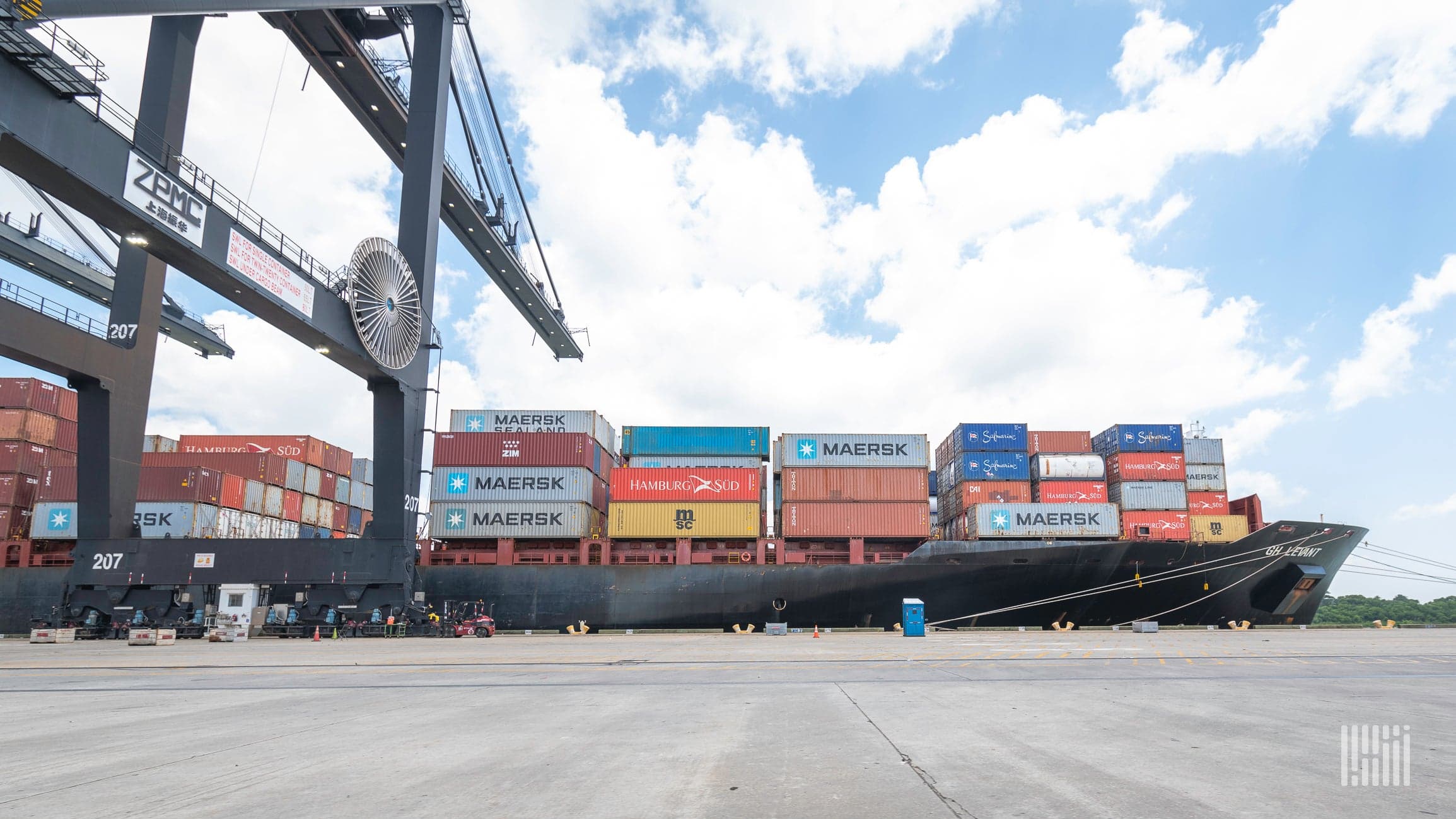
The rejected proposal carries significant implications for American business and trade. The Strait of Hormuz remains one of the world's most critical shipping chokepoints, with roughly one-third of global maritime petroleum traffic passing through its waters. Disruptions to this corridor directly affect energy prices, supply chain costs, and inflation—concerns that reverberate through Atlanta's port operations, logistics sector, and consumer-facing industries.
Iran delivered the peace offer through Pakistan as Foreign Minister Abbas Araghchi met with Russian officials, signaling Moscow's continued support for Tehran. The breakdown in negotiations raises questions about sustained geopolitical volatility in the Middle East, a region where U.S. military presence and commercial interests remain substantial. For Atlanta-based companies with international operations, the extended uncertainty could impact insurance costs, shipping timelines, and market access.
The Trump administration's national security team is weighing the proposal, though administration officials have indicated nuclear non-proliferation will remain a non-negotiable condition for any agreement. Business leaders monitoring Middle East developments should prepare for prolonged regional instability and its potential ripple effects on energy costs and supply chain resilience in the coming months.