Atlanta, GA
Sign InEvents
ATLANTA BUSINESS
Magazine
Our Top 5
DOW
S&P
NASDAQ
Real EstateFinanceTechnologyHealthcareLogisticsStartupsEnergyRetail
● Breaking
School Safety Concerns Impact Atlanta-Area Business CommunityMarietta OKs Data Center Rezoning With Strict ConditionsPaulding County 911 Director Arrested Over Unauthorized License Plate SearchesPublic Safety Remains Critical Priority for Atlanta Business CommunityMajor Drug Trafficking Case Sentenced in Gwinnett CountySchool Safety Concerns Impact Atlanta-Area Business CommunityMarietta OKs Data Center Rezoning With Strict ConditionsPaulding County 911 Director Arrested Over Unauthorized License Plate SearchesPublic Safety Remains Critical Priority for Atlanta Business CommunityMajor Drug Trafficking Case Sentenced in Gwinnett County
CareCore Skilled Nursing Facility Software
Retail
Retail

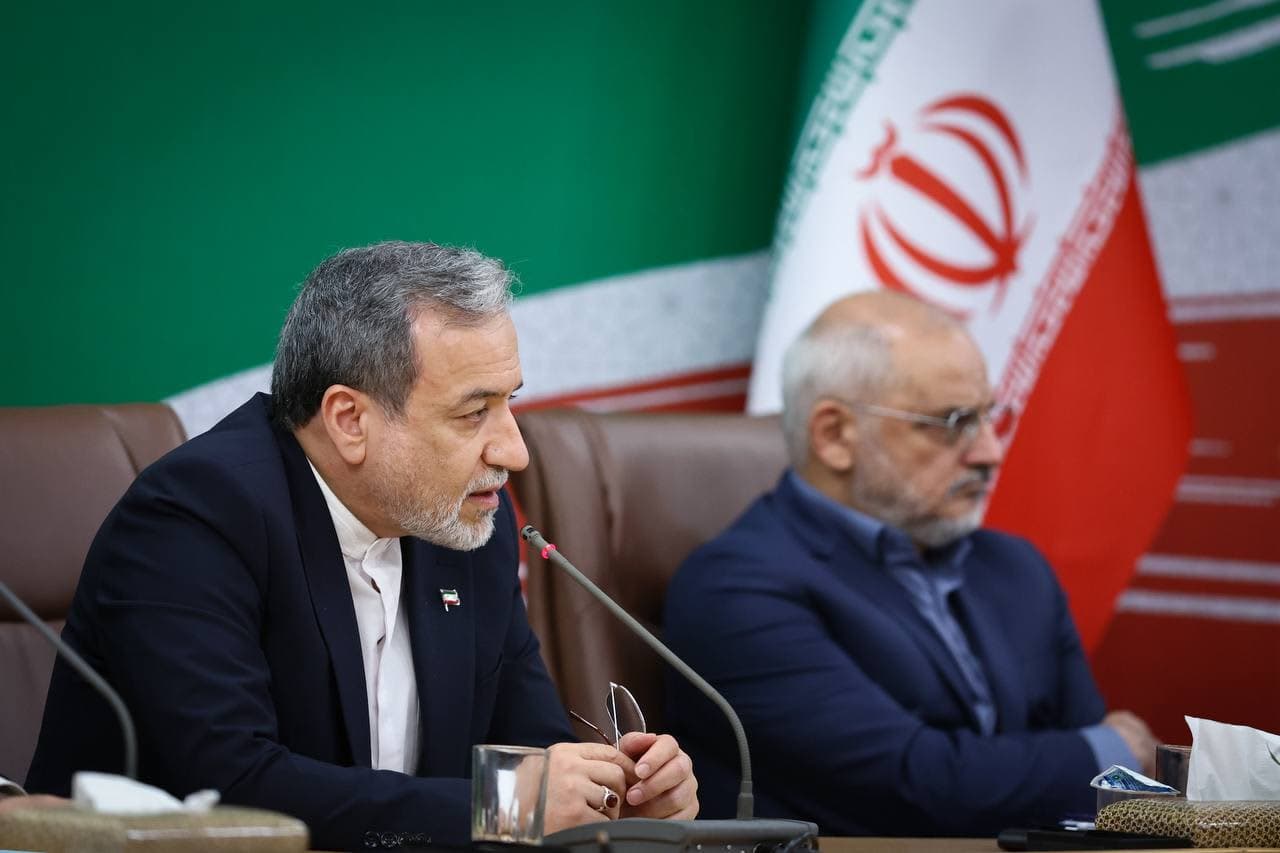
Iran Denies Direct U.S. Talks on Strait of Hormuz Access

Iran's foreign minister denies direct negotiations with Washington while confirming indirect communications through intermediaries regarding Strait access.

Iran Denies Direct U.S. Talks on Strait of Hormuz Access

Photo via CNBC

According to CNBC reporting, Iran's foreign minister has rejected claims that his country is engaged in formal direct talks with the United States concerning access to the Strait of Hormuz. However, the official acknowledged that diplomatic communication channels remain open through indirect means, noting that "messages are being exchanged through intermediaries."

The denial comes amid heightened regional tensions, with reports of Houthi militant attacks on Saudi oil infrastructure underscoring the strategic importance of maintaining stability in one of the world's most critical energy chokepoints. The Strait of Hormuz, through which roughly one-fifth of global petroleum shipments pass annually, remains central to broader negotiations over regional security and international sanctions.

The Iranian government's characterization of communication as mediated rather than direct suggests a diplomatic strategy aimed at maintaining negotiating flexibility while avoiding the political optics of formal bilateral engagement with the United States.

IranStrait of HormuzU.S. diplomacyEnergy securityMiddle East
Related Coverage