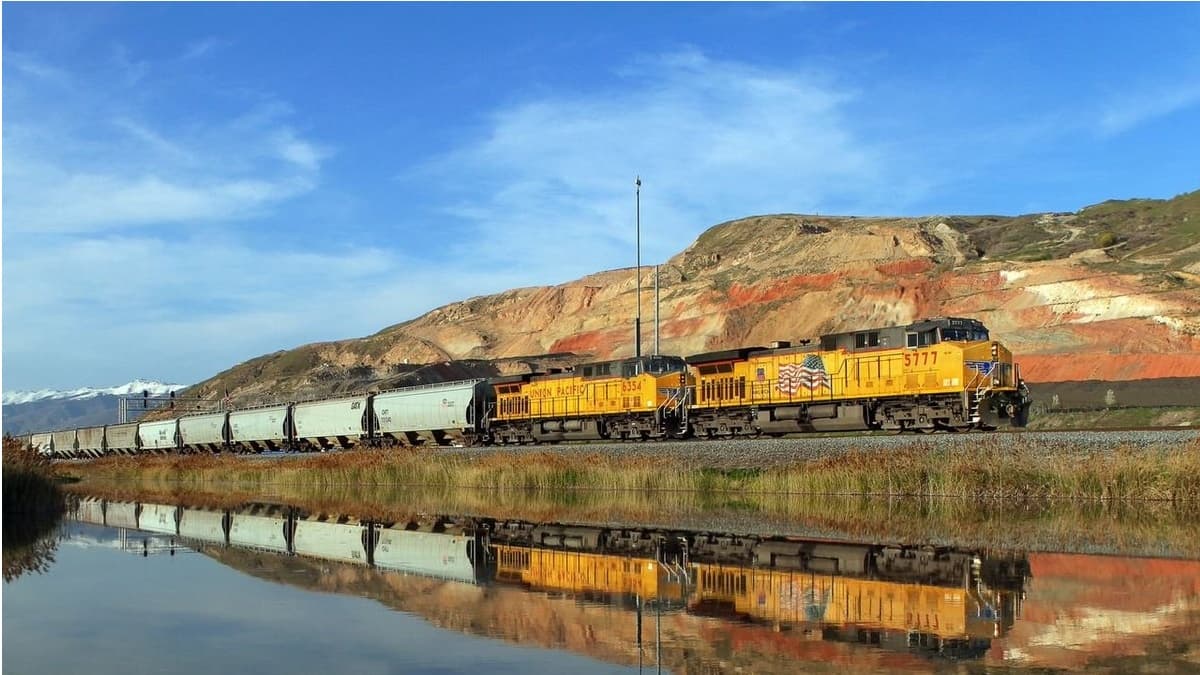
Photo via FreightWaves
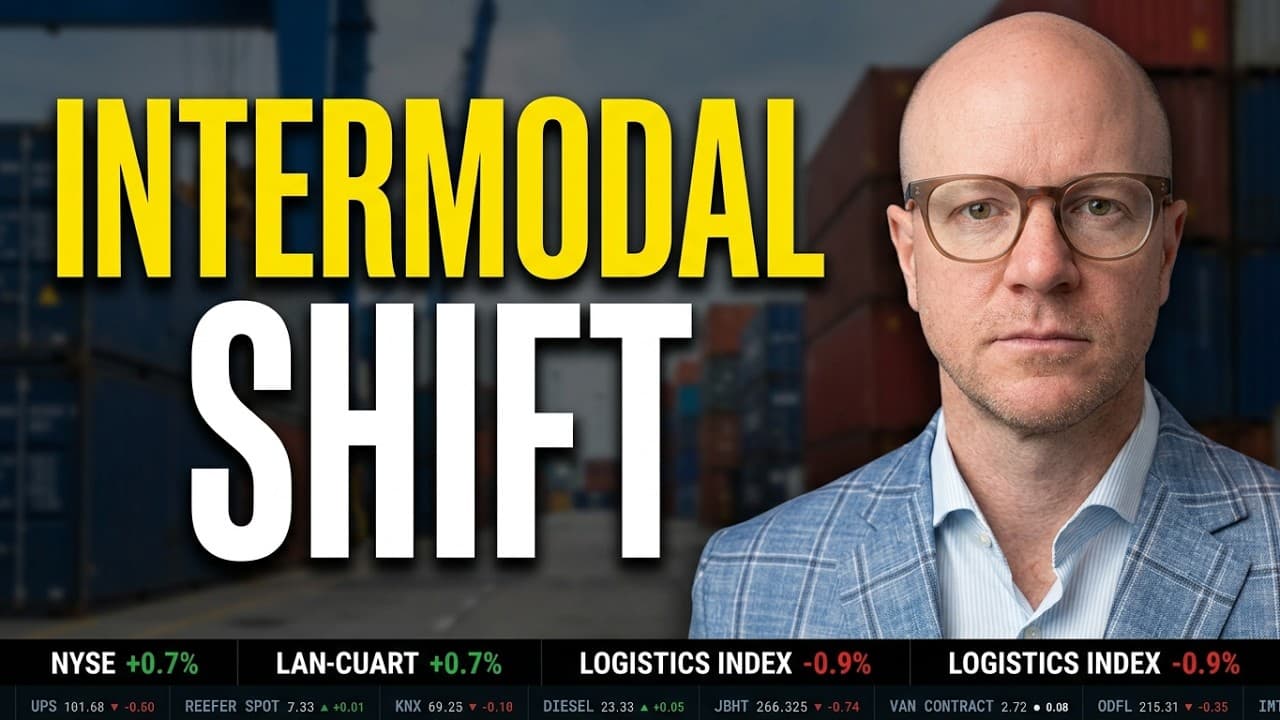
According to FreightWaves data analysis, the recent decline in trucking volumes reflects not an economic slowdown but rather a strategic modal shift toward intermodal rail transport. Shippers are increasingly choosing rail-based solutions for long-haul freight movements, driven by substantial cost differentials between trucking and intermodal services. This transition underscores a fundamental restructuring in freight transportation preferences rather than a contraction in overall logistics demand.
The shift is being accelerated by two key factors: inventory rebuilding efforts among major retailers and manufacturers, combined with the compelling economics of rail transport. Industry data reveals that railroads are successfully capturing market share from traditional long-haul trucking, as businesses optimize their supply chains for efficiency and cost reduction in an era of heightened operational scrutiny.
This modal realignment carries implications for trucking companies, rail operators, and broader freight market dynamics. Understanding the intermodal transition is critical for stakeholders monitoring transportation trends, as the shift suggests structural changes in how goods move across the country rather than cyclical weakness in freight demand itself.