Photo via SaportaReport
By the mid-1970s, Willie Nelson had already logged an impressive résumé: seventeen albums released, numerous hit songs written for other artists, and years spent working within Nashville's established music industry structure. Yet despite these credentials, Nelson remained an outsider to Music Row's polished establishment. According to SaportaReport, his reputation was built as much on his artistic integrity and generosity as on his commercial output—a distinction that set him apart from peers who chased conventional success metrics.
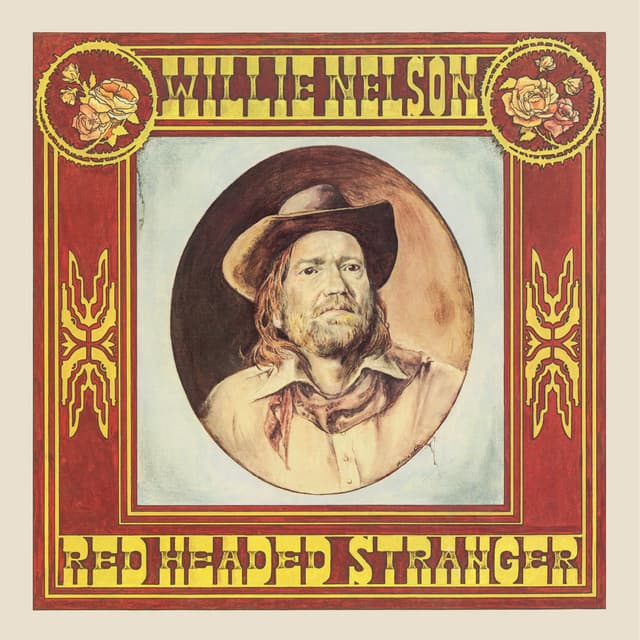
Nelson's 1975 album 'Redheaded Stranger' became a turning point, representing a moment when an artist refused to compromise his vision for industry approval. Rather than conforming to the expectations of record labels and radio stations, Nelson pursued a creative path that ultimately redefined country music and demonstrated that authenticity could drive both artistic and financial rewards. This pivot illustrates a broader principle: sometimes the greatest business breakthroughs come from rejecting the prevailing playbook.
For Atlanta-area business leaders and entrepreneurs, Nelson's trajectory offers a relevant case study in organizational culture and strategic independence. Whether in tech, manufacturing, or professional services, companies that maintain core values while resisting pressure to homogenize often discover competitive advantages. The lesson extends beyond music: building sustainable success frequently requires the courage to operate differently from established competitors.