Photo via Fox5 Atlanta
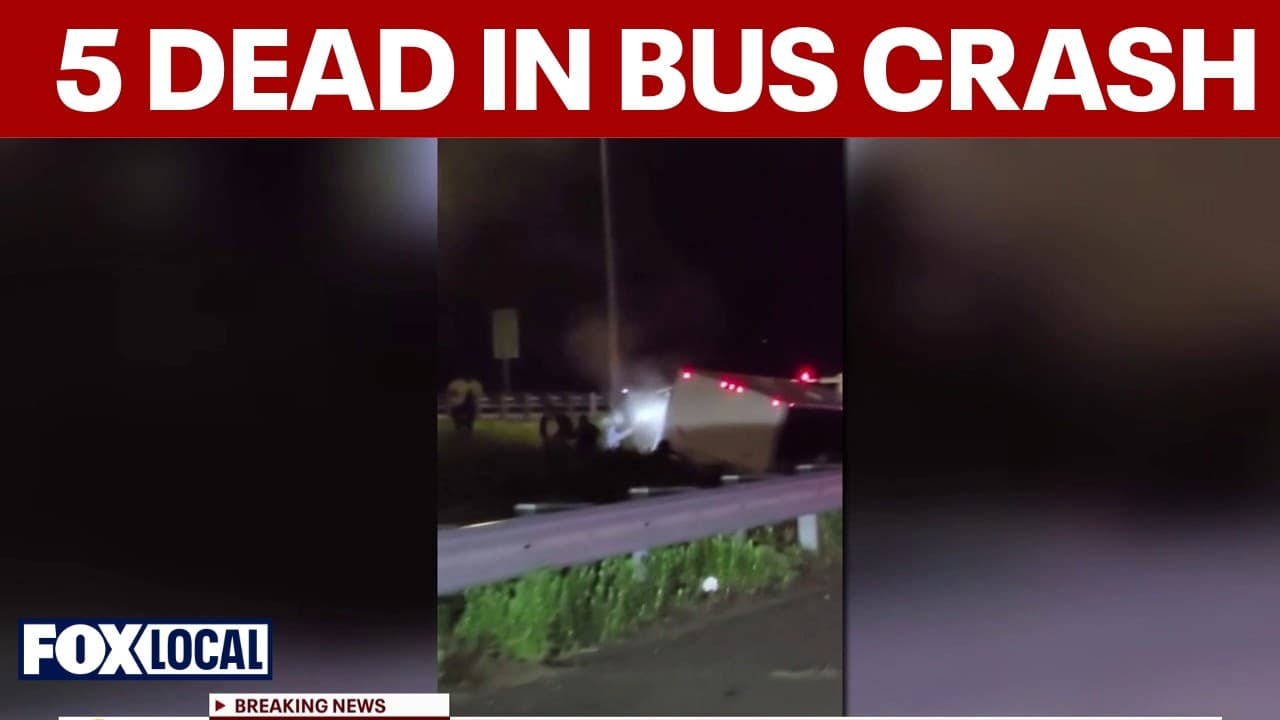
A catastrophic bus collision on Interstate 95 in Stafford County, Virginia, early Friday claimed five lives and left 34 others injured, according to Virginia State Police. The incident marks a significant safety event on one of the nation's most heavily trafficked corridors, raising renewed concerns about accident prevention and emergency response protocols along the route that connects Atlanta to the Northeast.
The I-95 corridor remains essential to Atlanta-area logistics operations, connecting the region's distribution hubs and manufacturing centers to major East Coast markets. Any major incident on this interstate can trigger cascading delays affecting supply chain operations and commercial transport schedules throughout the Southeast, potentially impacting inventory timelines and transportation costs for regional businesses reliant on northbound distribution.
The southbound lane closures following the crash created significant traffic disruptions, a reminder of how single incidents on major corridors can strain transportation infrastructure. For Atlanta-based companies managing fleet operations or time-sensitive deliveries along the I-95 route, such events underscore the importance of contingency planning and real-time logistics monitoring to minimize operational disruption.
The accident adds to ongoing conversations about highway safety standards and commercial vehicle regulations. As Atlanta's logistics sector continues to expand, industry stakeholders and carriers operating across the Southeast corridor are increasingly focused on adopting advanced safety technologies and driver training protocols to reduce accident risk on major interstates.