Photo via 11Alive Atlanta
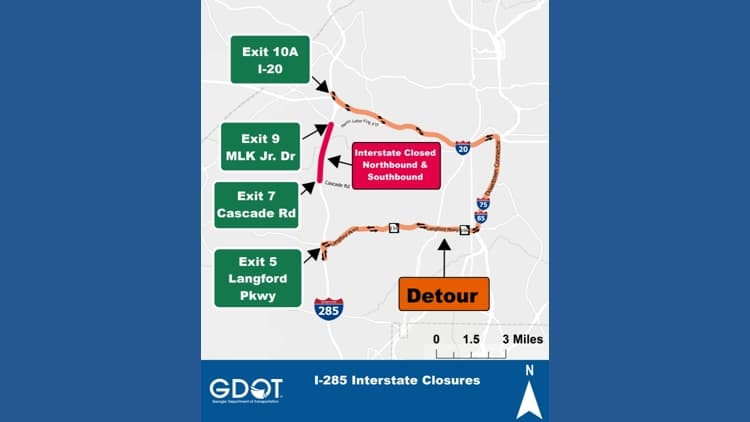
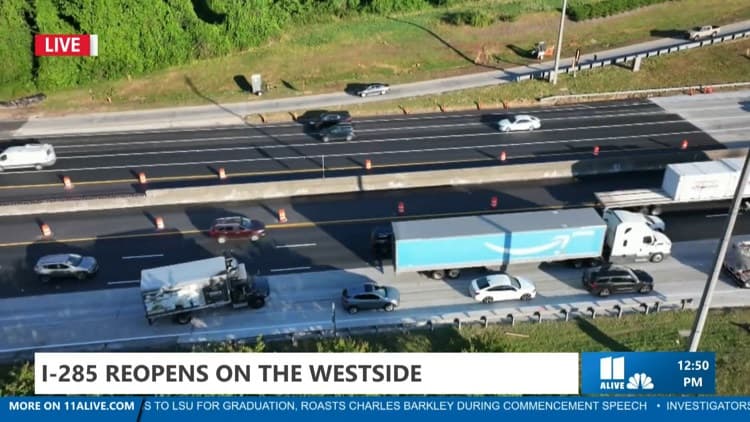
The inaugural full closure of Interstate 285 this past weekend marked the beginning of an extensive infrastructure maintenance project that will reshape commuting and logistics patterns across metro Atlanta for months to come. According to 11Alive Atlanta, the initial closure proved less disruptive than many had feared, suggesting that advance public notification and business preparedness strategies may have effectively distributed traffic across alternative routes.
For Atlanta-area companies dependent on just-in-time delivery and regional distribution networks, these recurring weekend closures represent a significant operational consideration. Logistics firms, retailers with regional warehouses, and service businesses will need to factor in extended travel times and route planning adjustments as dozens more closures are scheduled throughout the project timeline. Businesses with workforce flexibility have already begun encouraging remote work arrangements during affected weekends.
The relative success of the first closure underscores the importance of communication between transportation authorities and the business community. Companies that proactively adjusted delivery schedules, informed employees, and rerouted shipments through I-75 and I-85 corridors experienced minimal impact. However, sustained planning will be essential as the closure schedule intensifies.
Atlanta's ability to absorb these infrastructure challenges without major economic friction speaks to the region's traffic resilience, but businesses should not become complacent. Working with the Georgia Department of Transportation and planning ahead for subsequent closures will be critical to maintaining supply chain efficiency and employee productivity throughout this extended maintenance period.