Photo via Fast Company
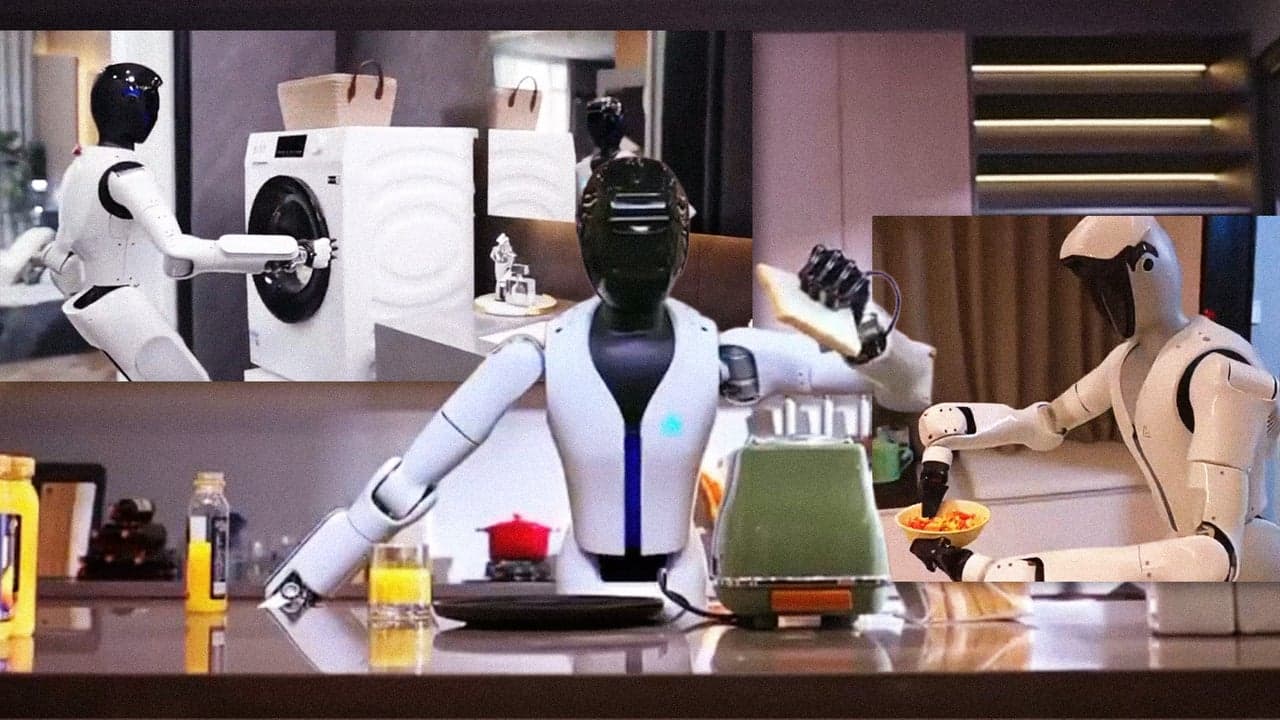
Chinese robotics firm GigaAI has announced plans to deploy the SeeLight S1, a two-armed humanoid robot designed to handle household tasks from cooking to laundry. The company intends to roll out 100 pilot units by year's end and launch free deployments in Wuhan during the first half of 2027, with a $15,000 retail price tag expected by June 2027. While the Jetsons-style vision captures imaginations, industry experts remain skeptical about near-term viability, particularly regarding the challenges these machines face navigating unpredictable home environments.
The real competitive battle is unfolding in data collection and real-world testing. According to Fast Company's reporting, Chinese companies like OneRobotics are already deploying robots across homes and retail spaces to gather the structured data necessary for autonomous operation. Meanwhile, U.S. firms including San Francisco-based Gatsby are pursuing service-model approaches rather than direct sales, paying remote operators to handle complex tasks—a fundamentally different strategy that may cede ground to fully autonomous Chinese alternatives.
For Atlanta-based manufacturers and logistics companies, the implications are worth monitoring closely. Morgan Stanley projects the humanoid robot market will reach $5 trillion by 2050, with the initial phases concentrated in factories and warehouses before residential deployment. Early movers establishing expertise in robotics integration and safety standards could position themselves advantageously as these technologies mature across supply chains and commercial operations.
Industry observers caution that timelines remain uncertain and safety concerns loom large. Design experts emphasize that robots will require deployment in strictly regulated commercial environments first—warehouses and similar settings—before gaining consumer trust. The question facing Atlanta's innovation ecosystem isn't whether humanoid robots are coming, but whether the region's businesses will be ready to integrate and capitalize on them when they arrive.