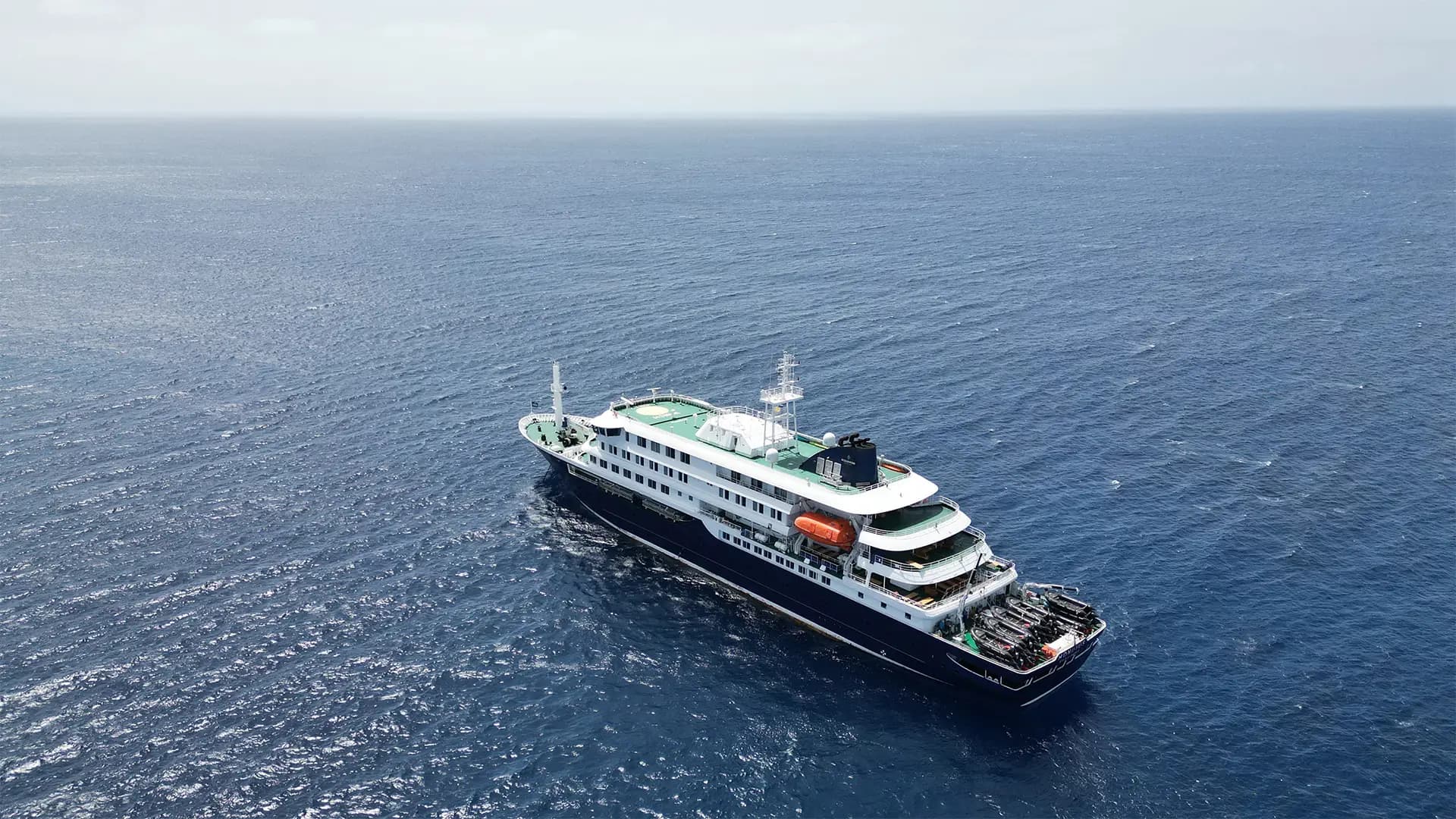
Photo via Inc.
According to Inc., a recent hantavirus outbreak aboard a cruise ship exposed a fundamental leadership vulnerability: the tendency for executives to allow emotionally charged past experiences to override sound strategic decision-making. This phenomenon, rooted in what psychologists call 'emotional memory,' can cause leaders to overreact or misallocate resources when facing similar situations—even if the circumstances are fundamentally different.
For Atlanta-area business leaders managing teams across healthcare, hospitality, logistics, or other sectors vulnerable to public health crises, this insight carries immediate relevance. The post-pandemic environment has left many executives with heightened sensitivity to operational disruptions and reputational risk. While caution is warranted, allowing fear-based decision-making to dominate strategic planning can lead to missed opportunities and inefficient crisis response protocols.
The cruise ship incident underscores the importance of separating emotional reaction from analytical assessment. Effective leadership requires distinguishing between lessons learned from past events and the specific variables present in current challenges. Atlanta's diverse business community—from port operations to corporate headquarters—benefits when executives develop frameworks to acknowledge emotional memory while grounding decisions in data-driven analysis.
Leaders looking to strengthen their organization's resilience should establish clear decision-making protocols that account for both institutional learning and objective circumstances. This approach enables teams to respond thoughtfully to emerging threats without defaulting to reactive patterns shaped by previous trauma. For Atlanta companies operating in competitive, high-stakes environments, this balance between institutional memory and fresh analysis can be the difference between adaptive leadership and costly overcorrection.