Photo via Fast Company
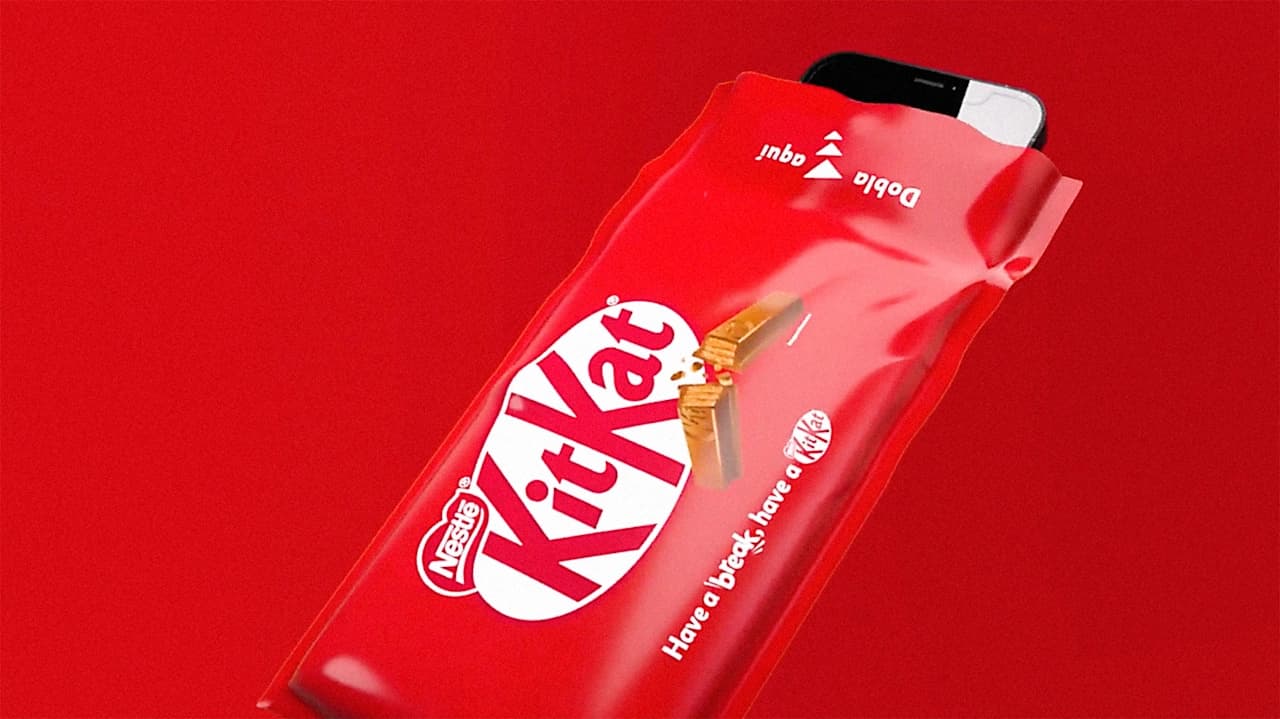
Major consumer brands are capitalizing on growing frustration with smartphone addiction, turning digital detox into a marketing opportunity. KitKat Panama recently launched 'Break Mode,' a wrapper that functions as a Faraday cage—a conductive enclosure that blocks cellular signals, internet, Bluetooth, and GPS when a phone is placed inside. The product represents a clever reinterpretation of the brand's iconic 'Take a Break' slogan, though it remains in evaluation for broader commercial viability.
The digital detox market has evolved from niche creator innovations to mainstream brand interest. Individual entrepreneurs have already introduced products like weighted phone cases and apps that gamify disconnection. Ikea joined the trend in October with a flat-packed phone bed designed to encourage bedtime device abandonment. According to Fast Company, KitKat's Break Mode uses multilayer construction combining copper and polyester to create a functioning shield against electromagnetic signals—a more technically sophisticated approach than competing products.
For Atlanta-area marketers and retail leaders, this trend reveals a lucrative consumer insight: audiences increasingly view digital detox not as a personal challenge but as a lifestyle aspiration worth purchasing. The 'appstinence movement' demonstrates that Gen Z and millennial consumers will invest in tools that help them disconnect, creating a new product category with significant growth potential. Brands entering this space must balance authenticity with their inherent reliance on digital marketing to reach consumers.
The paradox underlying these campaigns is instructive: brands are leveraging social media and digital advertising to promote products designed to block digital connection. While Break Mode's commercial success remains uncertain, its existence reflects a fundamental shift in how major companies view consumer wellbeing. For Atlanta businesses seeking to innovate in retail and consumer products, the lesson is clear—understanding and responding to emerging lifestyle trends can transform brand positioning and create entirely new revenue streams.