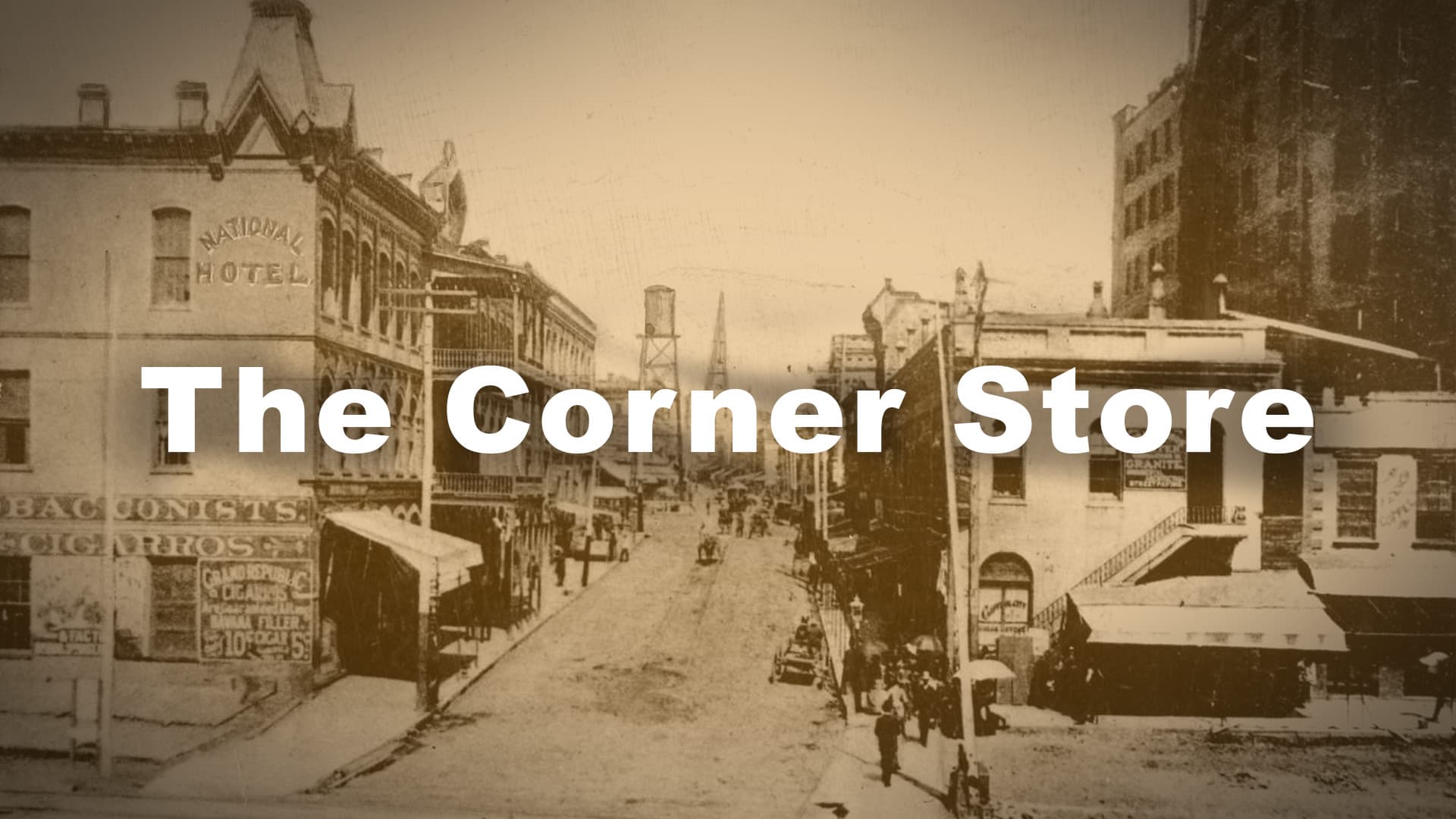
Photo via SaportaReport
Atlanta's first streetcar system emerged from an unlikely moment in the city's history. According to SaportaReport, just one year after the Civil War concluded, while Atlanta was still grappling with the physical and economic devastation of war, a group of forward-thinking business leaders pursued an ambitious vision: a modern street railway system. In 1866, these visionaries successfully petitioned the Georgia legislature to charter the first street railway company in the city, demonstrating remarkable optimism and determination during a period when most of Atlanta was focused on basic reconstruction.
The streetcar represented far more than a transportation convenience for post-war Atlanta. Infrastructure projects like this were critical catalysts for urban growth, enabling the development of neighborhoods beyond the downtown core and facilitating commerce across the expanding city. By attracting investment and encouraging residential expansion along rail corridors, the streetcar system helped Atlanta transition from a war-torn outpost into a modern metropolitan center—a transformation that would define the city's trajectory for decades to come.
This early example of Atlanta's entrepreneurial spirit and infrastructure investment remains relevant today for business leaders considering how strategic public-private partnerships and bold visions can reshape urban landscapes. The streetcar's origins underscore how visionary thinking, even in challenging economic circumstances, can position a city for long-term prosperity and growth.