Photo via Inc.
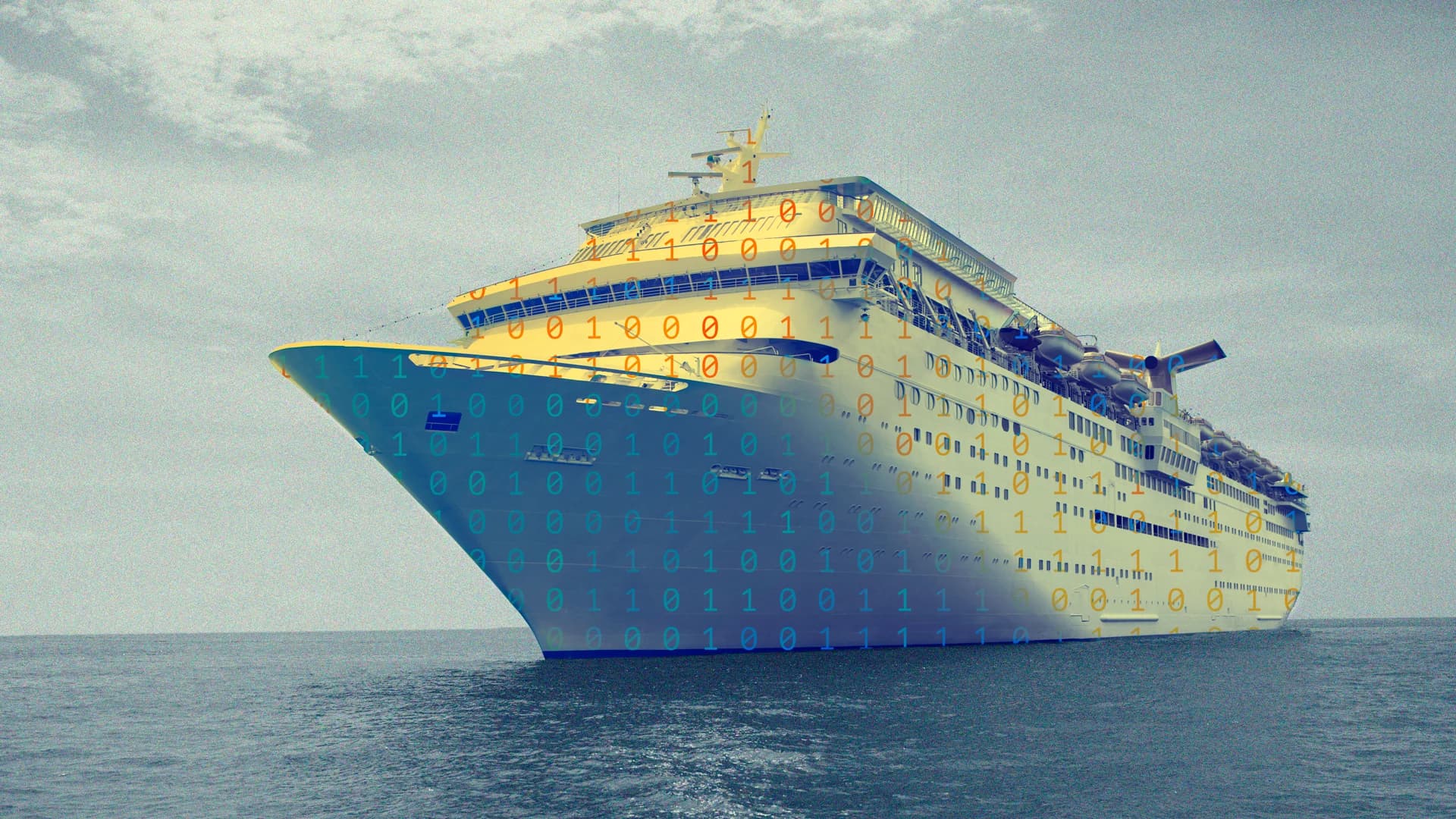
The cruise industry, long considered one of the most labor-intensive and hospitality-focused sectors, is undergoing a quiet technological transformation. According to Inc., cruise operators are increasingly integrating artificial intelligence into guest-facing operations, from personalized recommendations to streamlined service delivery. This shift challenges a fundamental assumption about hospitality: that human touch is irreplaceable. For Atlanta's robust tourism and convention industry, this evolution signals broader changes coming to local hotels, restaurants, and entertainment venues.
The acceptance of AI by cruise passengers suggests consumers are willing to embrace automation when it improves their experience rather than diminishing it. Technology is being deployed to handle routine inquiries, optimize dining experiences, and personalize itineraries—tasks that free human staff to focus on genuine relationship-building. Atlanta hospitality leaders should consider how AI might enhance operations at their properties, particularly as labor shortages continue to challenge service-oriented businesses across the Southeast.
Beyond guest experience, AI integration addresses operational efficiency that impacts profitability—a critical concern for Atlanta's hospitality sector, which generates significant tax revenue and employment. Hotels and resorts can deploy predictive analytics for housekeeping, dynamic pricing strategies, and maintenance scheduling. These backend applications don't diminish guest experience; they enable better service delivery and cost management that ultimately benefits both operators and visitors.
The hospitality industry's quiet pivot toward AI demonstrates that technological adoption in service sectors isn't binary. The question isn't whether to use AI, but how to implement it strategically. Atlanta business leaders in hospitality, tourism, and related industries should begin evaluating AI applications now—not to replace their workforce, but to enhance competitive positioning and respond to evolving consumer expectations.