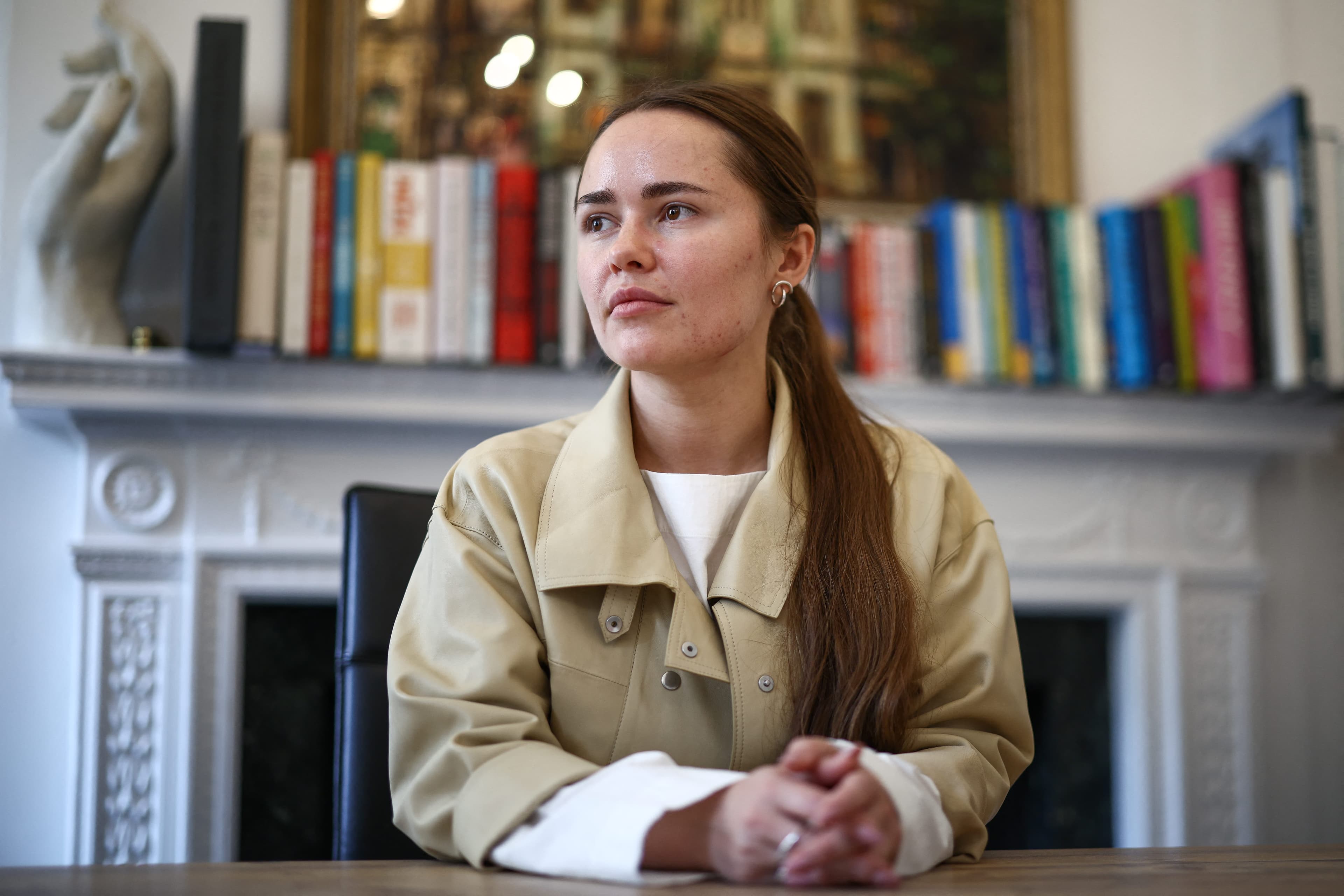
Photo via Entrepreneur
According to Entrepreneur magazine, some of the world's most successful startups emerged not from carefully executed business plans, but from unexpected pivots and serendipitous discoveries. Slack, Airbnb, and Shopify all share a common origin story: they found their winning formula by accident, solving problems their founders encountered along the way rather than pursuing their original vision. This pattern offers valuable insights for Atlanta's growing startup ecosystem, where founders often face pressure to have everything figured out before launch.
The accidental startup model challenges conventional entrepreneurial wisdom that emphasizes detailed planning and market research before execution. Instead, these case studies demonstrate how adaptability and willingness to pivot based on real-world feedback often outweigh initial business assumptions. For Atlanta-area entrepreneurs navigating an increasingly competitive tech landscape, this suggests that launching with a flexible mindset—and willingness to evolve the core product—may be more valuable than perfecting a static business model.
What these three companies have in common is a founder team that paid close attention to customer needs and pain points, even when those needs weren't their original target. This customer-centric approach, born from necessity rather than strategy, became the foundation for their products. Atlanta startups operating in sectors from logistics to healthcare can apply this principle by staying deeply connected to their users and remaining open to reshaping their value proposition based on authentic feedback.
For aspiring founders in the Atlanta region, the takeaway is clear: don't wait for the perfect idea or flawless execution plan. Instead, start solving a real problem you encounter, gather honest feedback from early users, and be prepared to transform your business when the data points in a new direction. The most successful startups often succeed not because they predicted the future, but because they remained flexible enough to capitalize on unexpected opportunities.