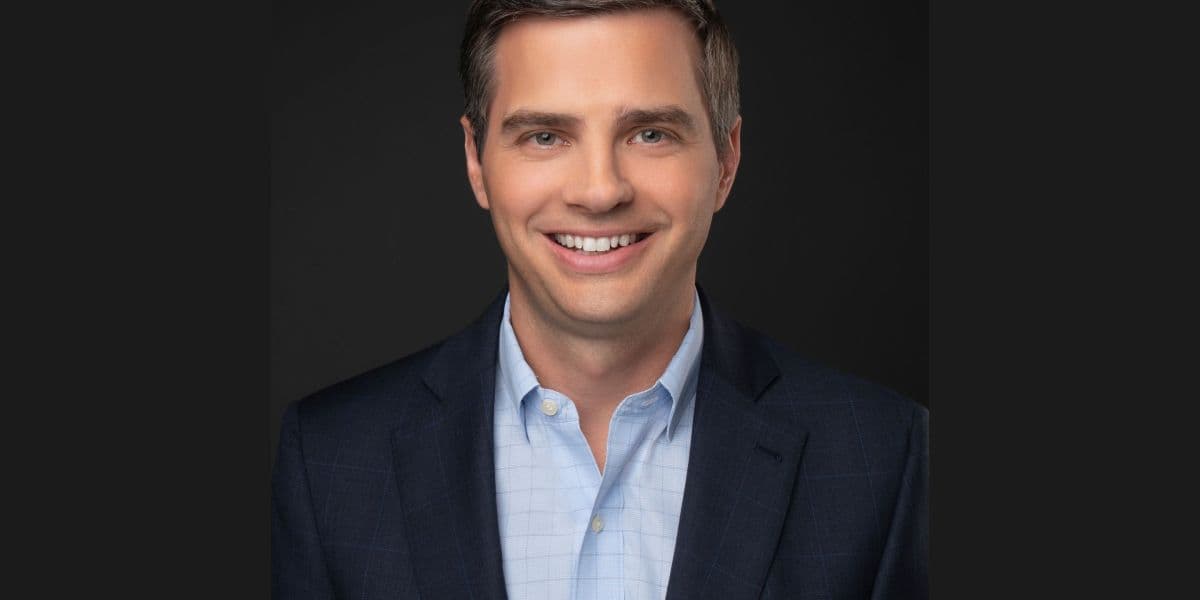
Photo via Fortune
While automation concerns dominate career planning conversations, hospitality industry leaders are making a compelling counterargument. Kurt Alexander, president of Omni Hotels, contends that the sector offers meaningful, AI-resistant career paths for Generation Z workers who bring the right mindset. According to Fortune, this perspective echoes broader advice from prominent business figures like Mark Cuban and Amazon's Andy Jassy, who have long advocated for careers built on interpersonal skills and human judgment.
The hospitality sector's resilience against automation stems from its core requirement: direct human interaction and personalized service. Unlike roles driven primarily by data processing or routine tasks, hotel operations—from guest relations to event management to culinary leadership—demand emotional intelligence, problem-solving adaptability, and cultural awareness. These competencies remain difficult to replicate through artificial intelligence, creating a structural advantage for workers in this field.
For Atlanta's economy, this insight carries particular weight. The city hosts a thriving hospitality industry anchored by major hotel brands, convention facilities, and tourism infrastructure. As technology displaces workers in other sectors, Atlanta's hospitality sector could become an increasingly attractive destination for young professionals seeking stable employment with genuine advancement opportunities.
The broader message from hospitality executives is straightforward: career security in an AI-driven future doesn't necessarily require technical credentials or STEM backgrounds. Instead, roles emphasizing authentic human connection, creative problem-solving, and service excellence position workers favorably regardless of technological disruption. For Atlanta's Gen Z workforce evaluating career paths, hospitality deserves consideration alongside more traditionally celebrated industries.