
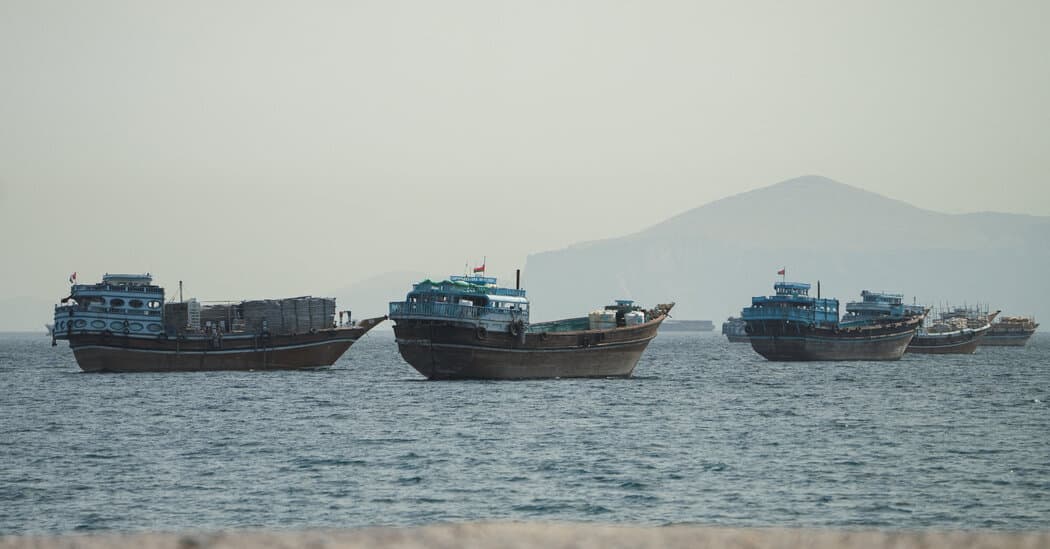
Photo via NYT Business
The path forward for the Strait of Hormuz remains murky as geopolitical negotiations continue without a finalized framework. According to reporting from the New York Times, the absence of concrete details around any potential agreement is creating uncertainty across global energy markets—with direct implications for Atlanta-area companies dependent on stable fuel costs and reliable supply chains.
For Atlanta's logistics, transportation, and retail sectors, the stakes are particularly high. The longer shipping through the critical chokepoint remains disrupted, the longer businesses must contend with elevated energy expenses and extended delivery timelines. Port of Savannah operators and regional distribution centers are closely monitoring the situation, as any resumption of normal traffic could provide meaningful relief.
Oil pricing remains the wild card. Without confirmed reopening details and timelines, energy analysts struggle to forecast when petroleum costs will decline from current elevated levels. This uncertainty makes it difficult for Atlanta manufacturing, warehousing, and delivery-dependent businesses to plan budgets and pricing strategies with confidence.
Regional stakeholders are watching international negotiations closely. A formal agreement establishing clear shipping protocols could unlock significant economic relief for Georgia's energy-intensive industries and consumers alike. Until those details emerge, Atlanta businesses should prepare for continued volatility in fuel costs and supply chain pressures.