Photo via CNBC Business
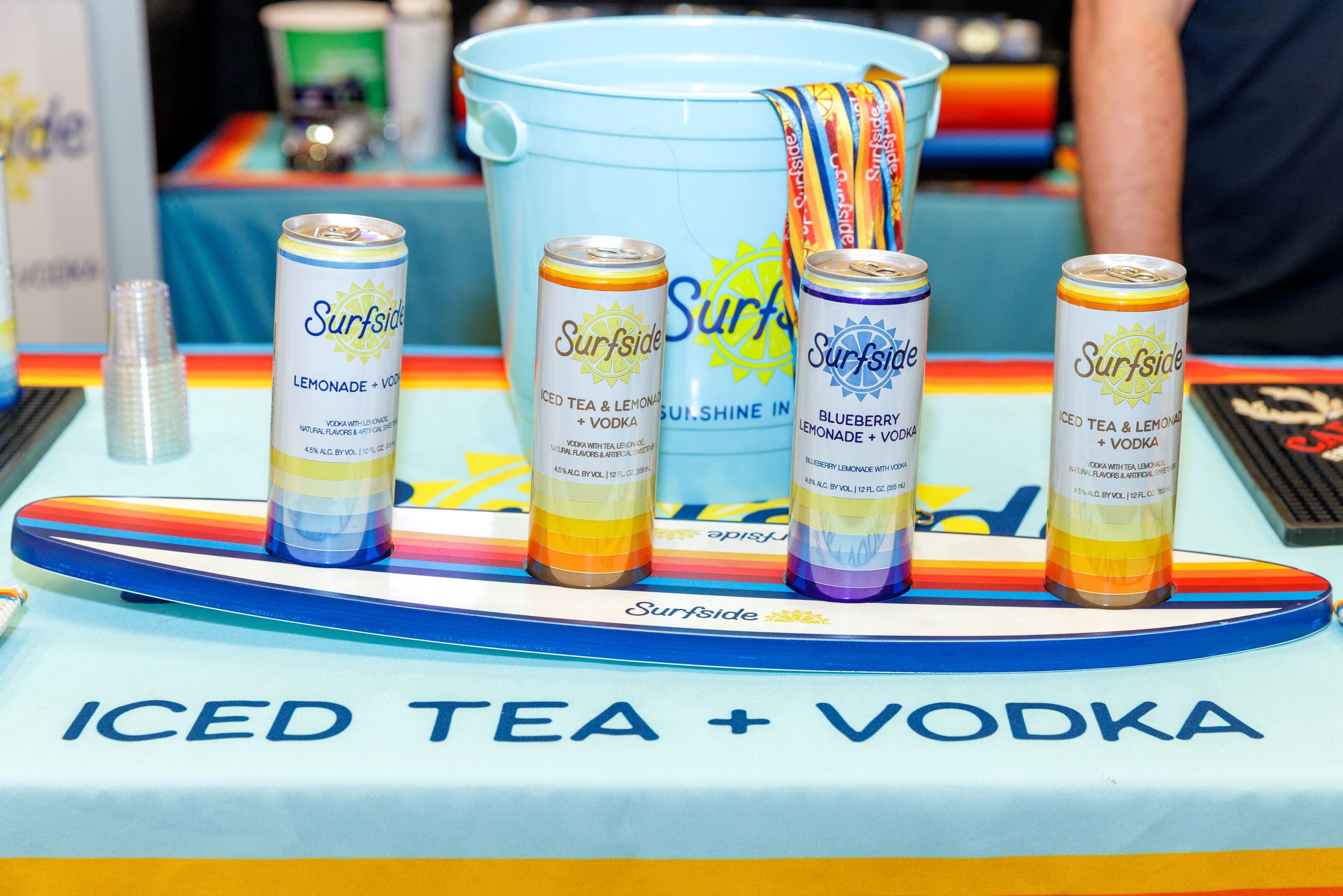
The hard seltzer boom that dominated retail shelves over the past five years is beginning to lose momentum. According to CNBC Business reporting, non-carbonated alcoholic drinks like Surfside and BeatBox are increasingly winning over consumers, particularly those in the Gen Z demographic who once fueled seltzer's explosive growth. This market shift represents a meaningful change in what young drinkers are selecting when they reach for beverages on store shelves.
The trend reflects broader consumer preferences moving toward variety and authenticity in flavor profiles. Non-carbonated options often deliver more complex taste experiences and novel formats that appeal to younger shoppers seeking alternatives to the sameness that plagued the hard seltzer category. For Atlanta-area retailers and distributors, this means reassessing inventory allocations and shelf space dedicated to traditional carbonated products in favor of emerging non-carbonated brands.
Local beverage suppliers and convenience store chains operating in the Atlanta market should prepare for this transition by diversifying their product mix. Early adoption of trending non-carbonated brands could provide a competitive advantage, especially in demographics-heavy areas where Gen Z shopping power is concentrated. The shift also creates opportunities for local craft beverage producers to innovate within the non-carbonated space.
As consumer preferences continue to evolve, the broader lesson for Atlanta's retail and food and beverage sectors is clear: sustained success requires constant attention to emerging trends and willingness to shift inventory and marketing accordingly. Companies that adapt quickly to the non-carbonated wave will likely capture greater market share during this transitional period in the alcoholic beverage industry.