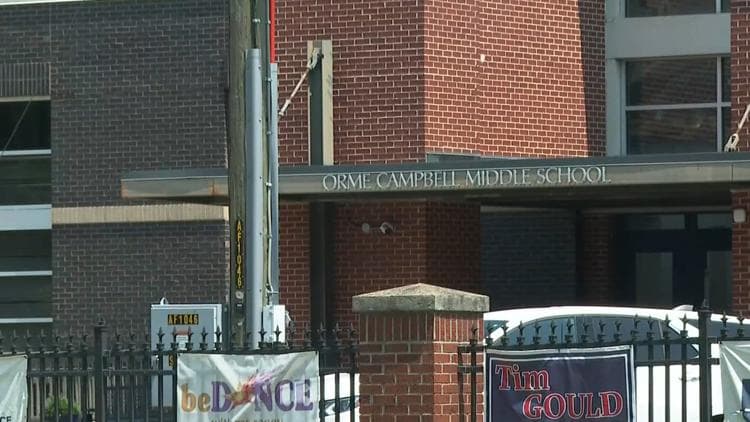
Photo via Fox5 Atlanta
Gwinnett County voters are casting ballots in the 2026 Georgia Primary, with races that extend beyond local politics to influence broader business policy in the Atlanta metropolitan region. According to Fox5 Atlanta, the county is tracking live results across multiple races as voters head to the polls. As a major economic engine in metro Atlanta, Gwinnett's electoral outcomes often ripple through regional commerce, workforce development, and infrastructure planning.
The county's business community has significant stakes in primary outcomes, particularly regarding candidates' positions on tax policy, economic development incentives, and transportation infrastructure. Gwinnett's diverse economy—spanning retail, logistics, technology, and healthcare sectors—means that elected officials will shape regulatory environments affecting employers throughout the region. Business leaders across metro Atlanta typically monitor these races closely to understand how local government priorities may shift.
For Atlanta-based companies with operations or supply chains touching Gwinnett County, primary results offer early signals about future business conditions. Candidates' platforms on workforce development, business licensing, and land-use policies can significantly impact operational costs and expansion plans. The 2026 primary serves as a barometer for understanding which policy priorities will dominate local governance conversations.
Atlanta Business Magazine will continue monitoring Gwinnett County election results as they develop, recognizing that local electoral outcomes directly influence the broader metro economy. Business readers should track not only which candidates advance but also their stated positions on issues affecting corporate operations, real estate development, and talent recruitment in one of Georgia's most economically significant counties.