Photo via Fortune
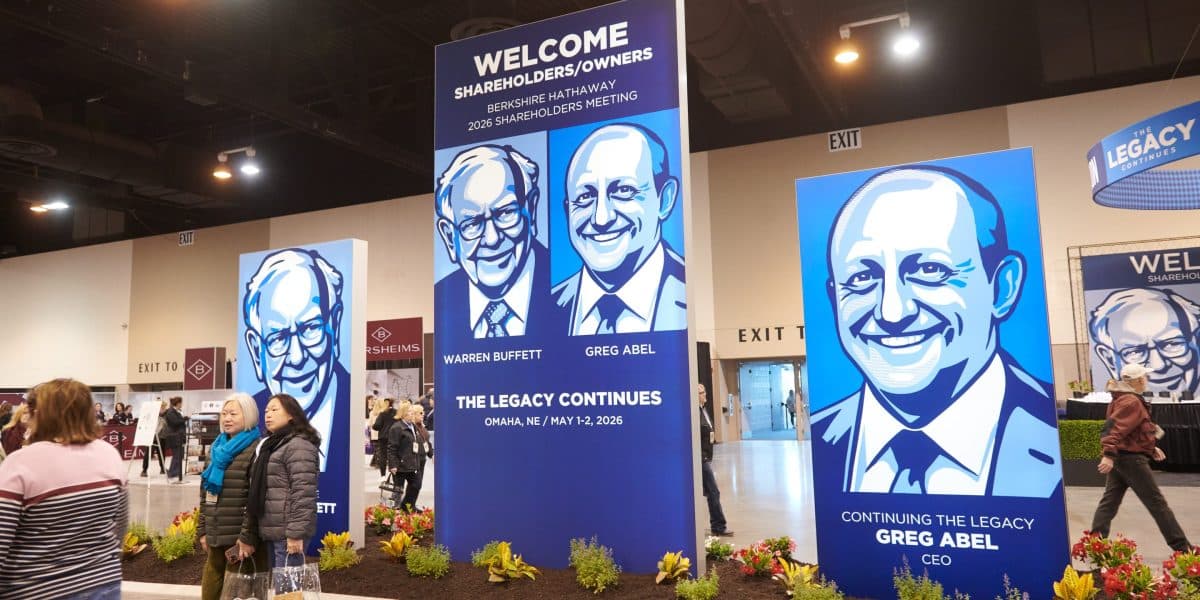
The transition of leadership at Berkshire Hathaway marks a significant moment for one of America's most influential corporations. According to Fortune, Greg Abel's appointment as CEO—moving beyond Warren Buffett's decades-long tenure—reflects not a departure from the company's core values, but rather an evolution necessary for contemporary markets. For Atlanta investors and business leaders who track major institutional shifts, this succession represents an important case study in generational corporate leadership.
One prominent Berkshire investor candidly acknowledged initial skepticism about Abel's fit for the top role, but now sees the appointment as strategically sound. The new CEO brings operational expertise and a modern perspective that complements the investment philosophies Buffett established. This recognition underscores how successful succession planning often requires letting go of the assumption that only a founder can steer the ship forward—a lesson relevant for Georgia's own family-owned businesses and privately held corporations navigating leadership transitions.
Abel's background in energy and operations provides a different lens than Buffett's investment-focused approach. His skill set addresses contemporary challenges in corporate management, sustainability, and operational efficiency that dominate boardroom discussions across Atlanta's business community. Rather than diluting Berkshire's identity, his leadership style appears positioned to extend the conglomerate's influence across sectors increasingly demanding hands-on operational management.
The broader implication for Atlanta-area investors and corporate boards is clear: institutional strength doesn't depend on iconic founder perpetuation. Instead, identifying leaders with complementary skills and fresh perspectives can reinvigorate established organizations. As Berkshire navigates this transition, it provides a compelling example of how well-managed succession planning can enhance rather than diminish shareholder value—a consideration critical for Atlanta's major corporations planning for their own leadership futures.